please click here for our office opening hours and contact details.


Latin America  |  Peru  |  Map  |  Activities  |  Our Holidays in Peru  
Our Holidays in Peru - A Few Guidelines

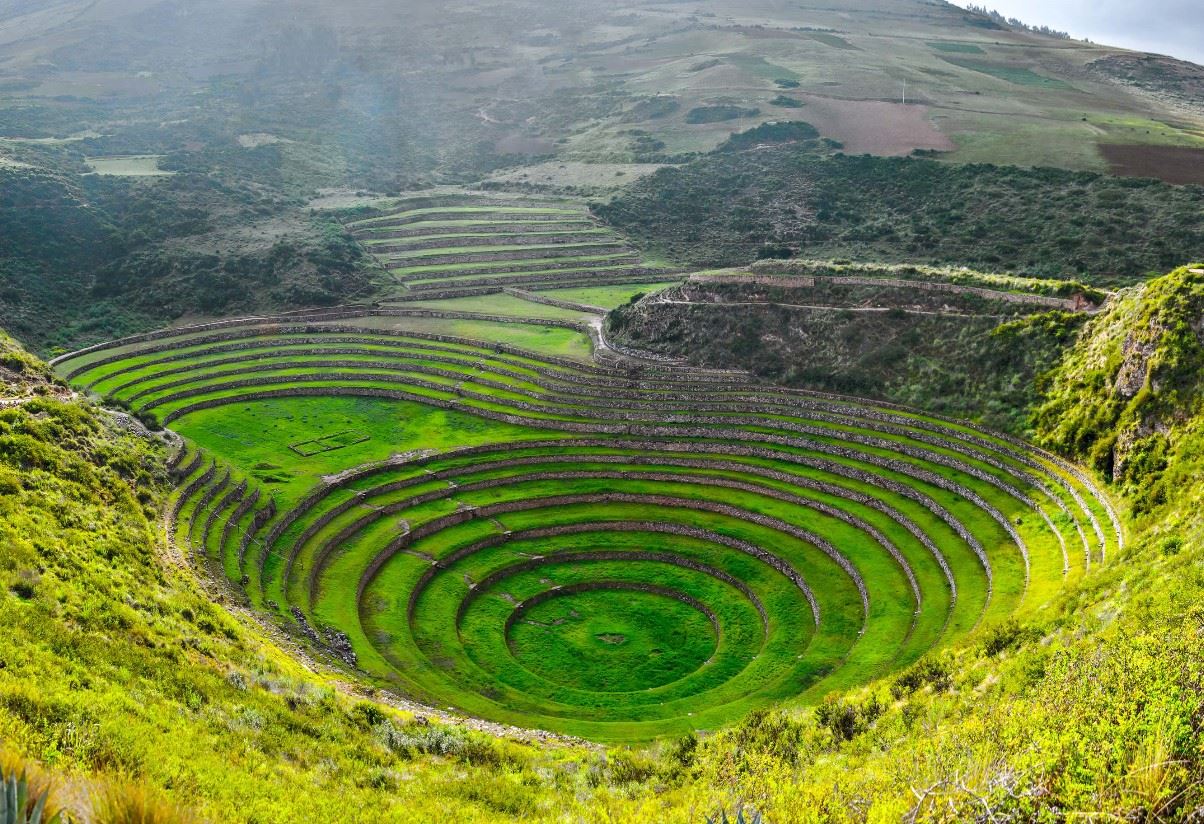
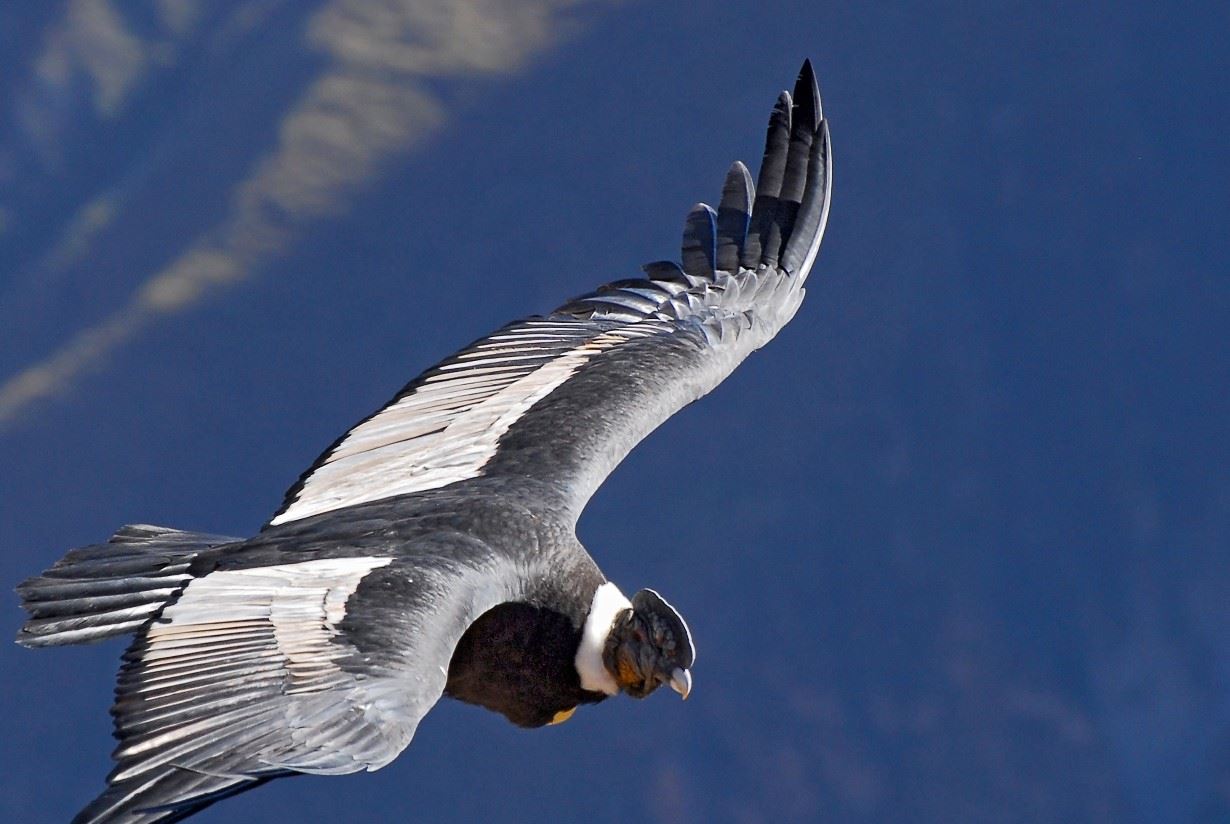
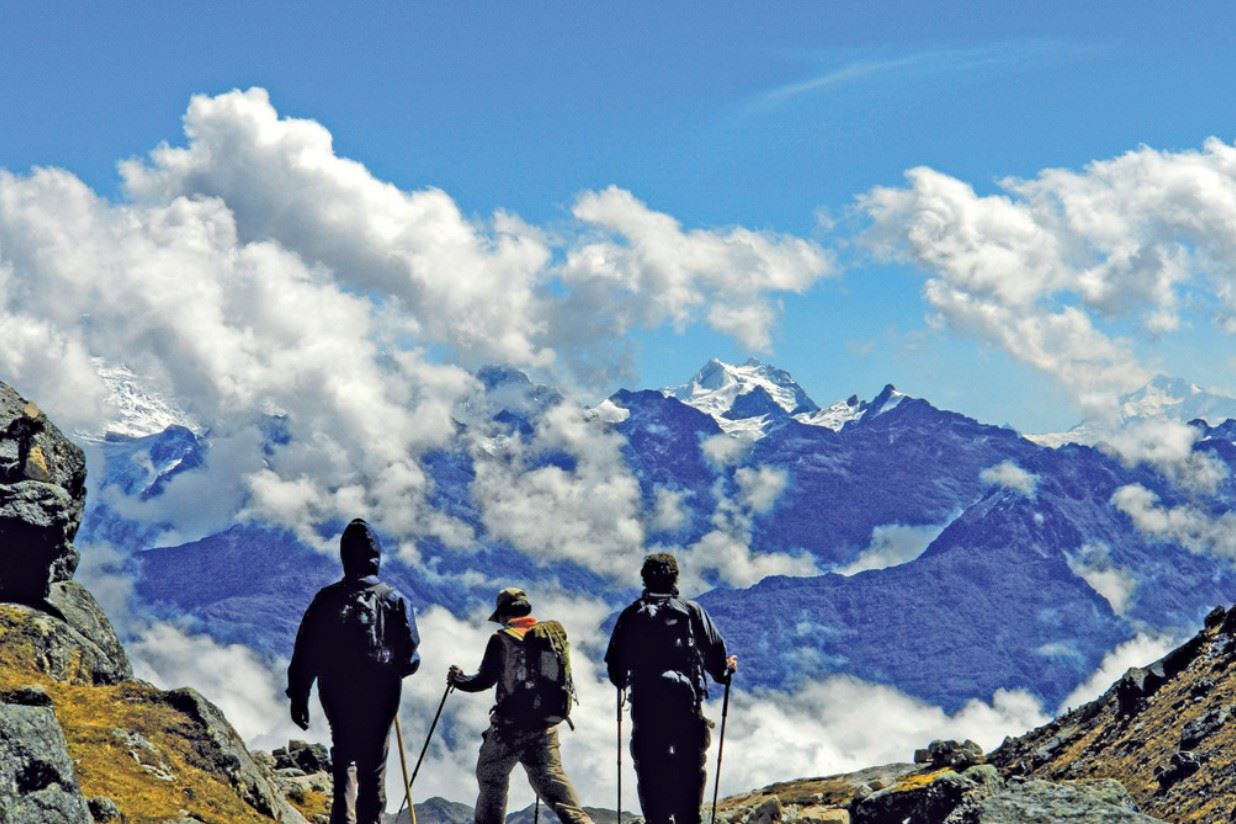
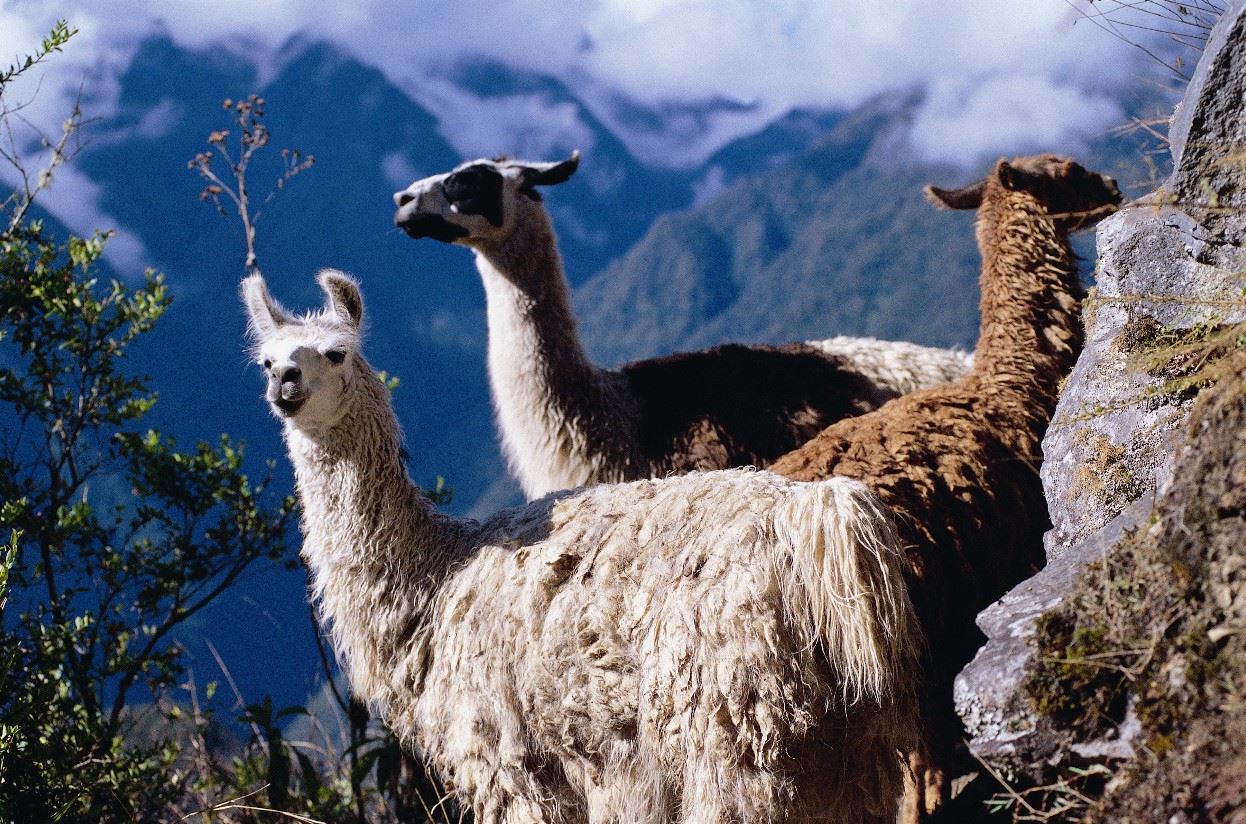
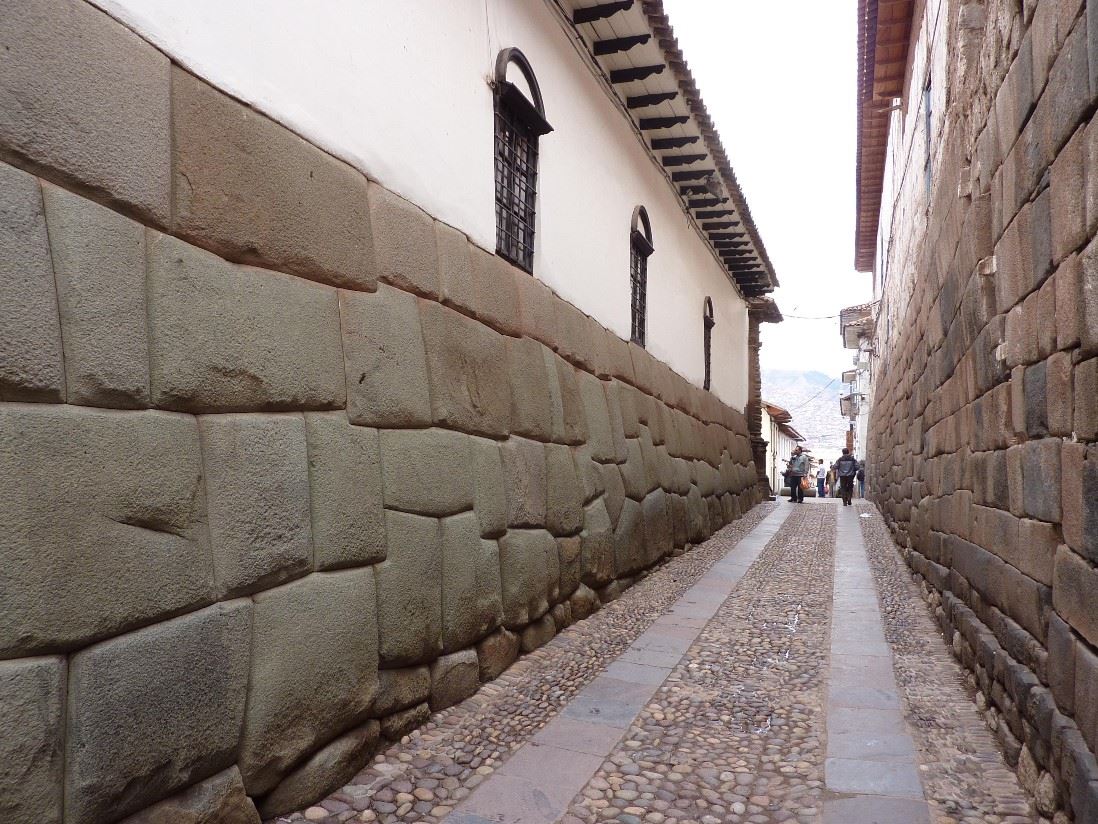
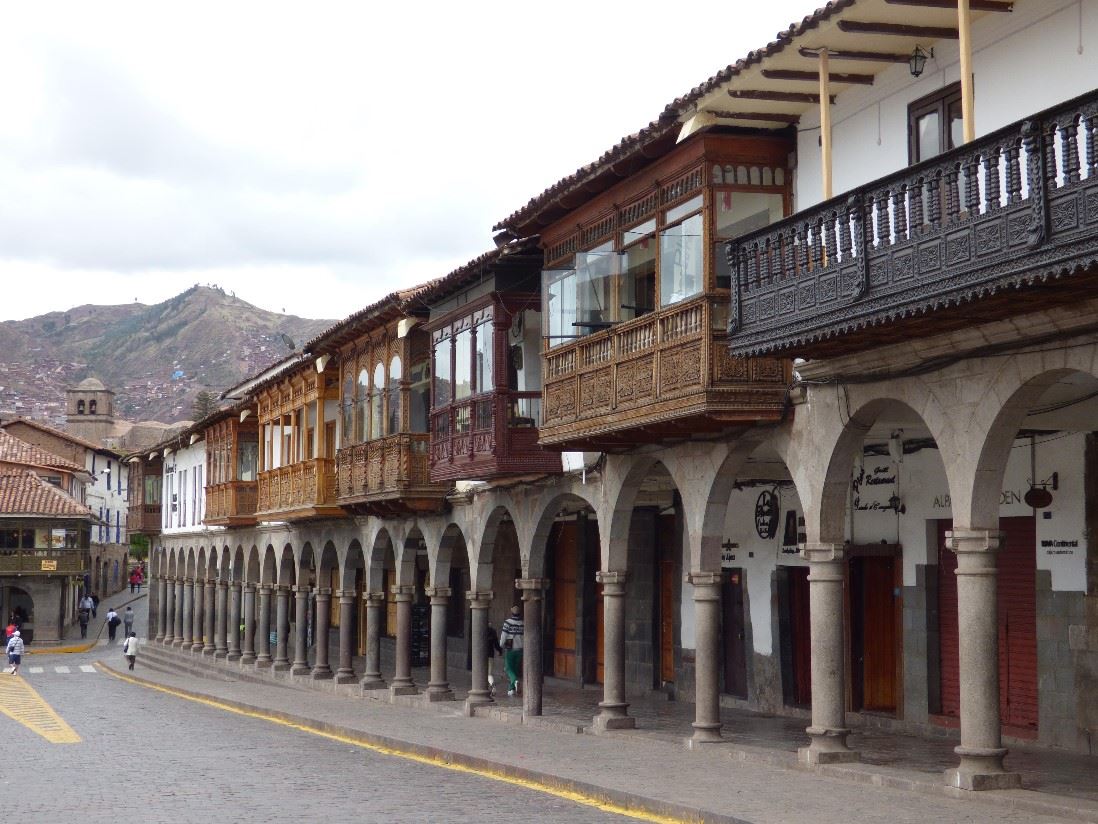
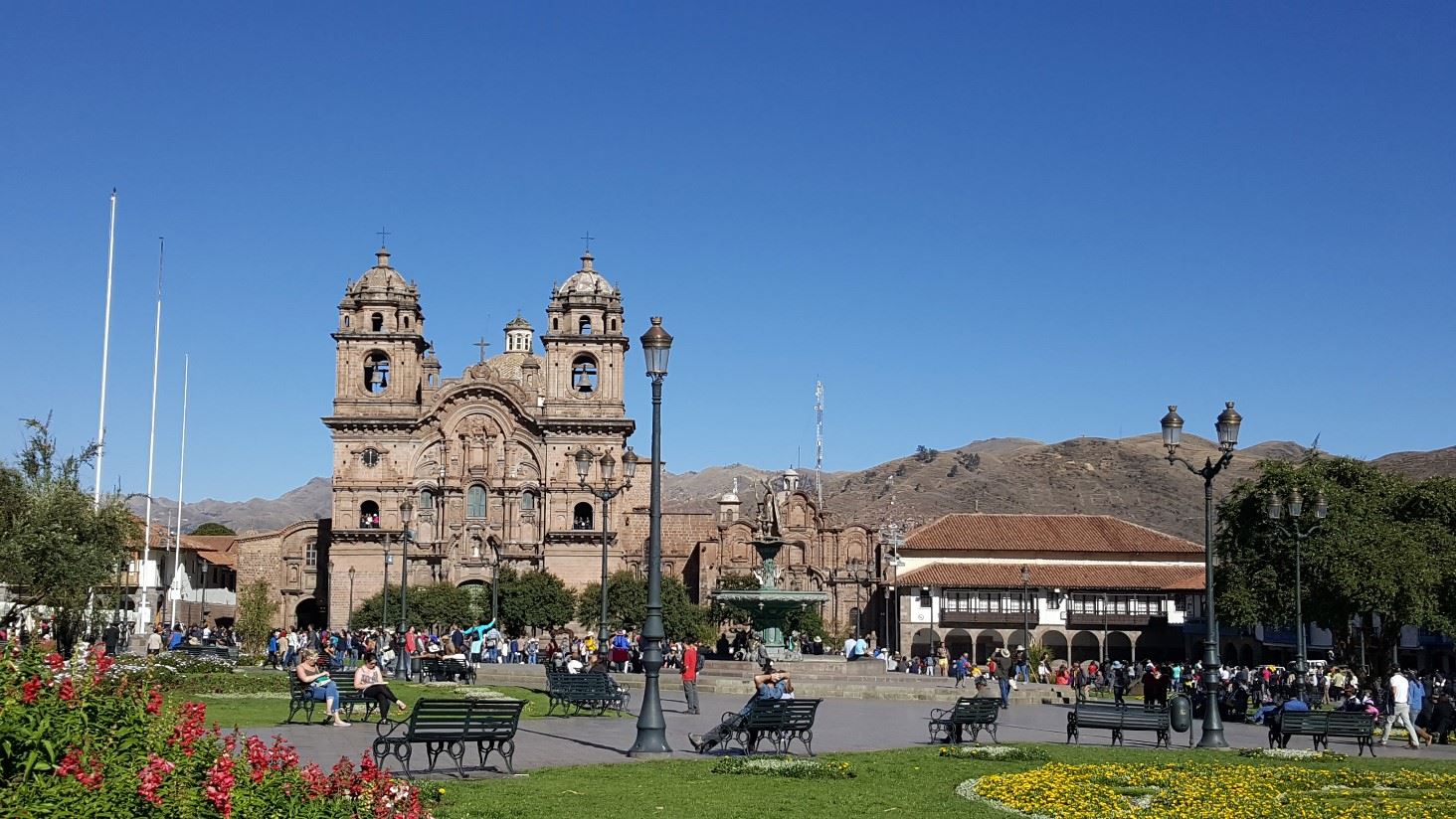
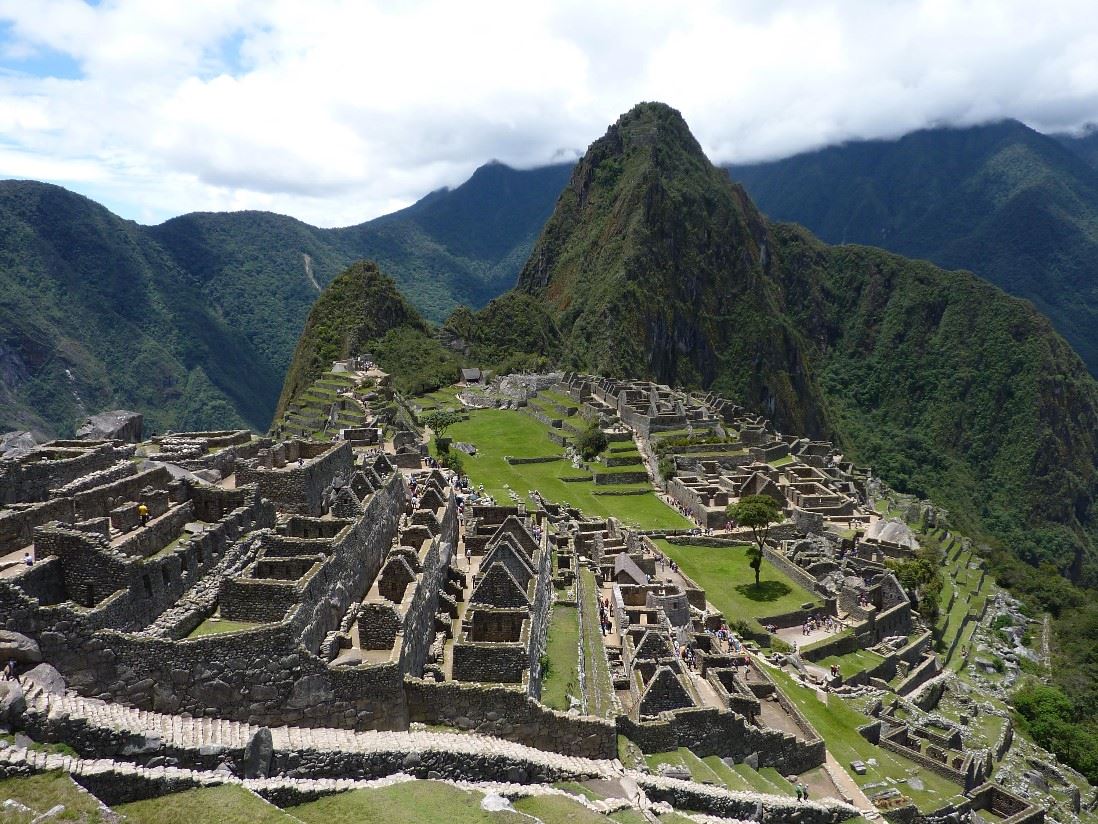
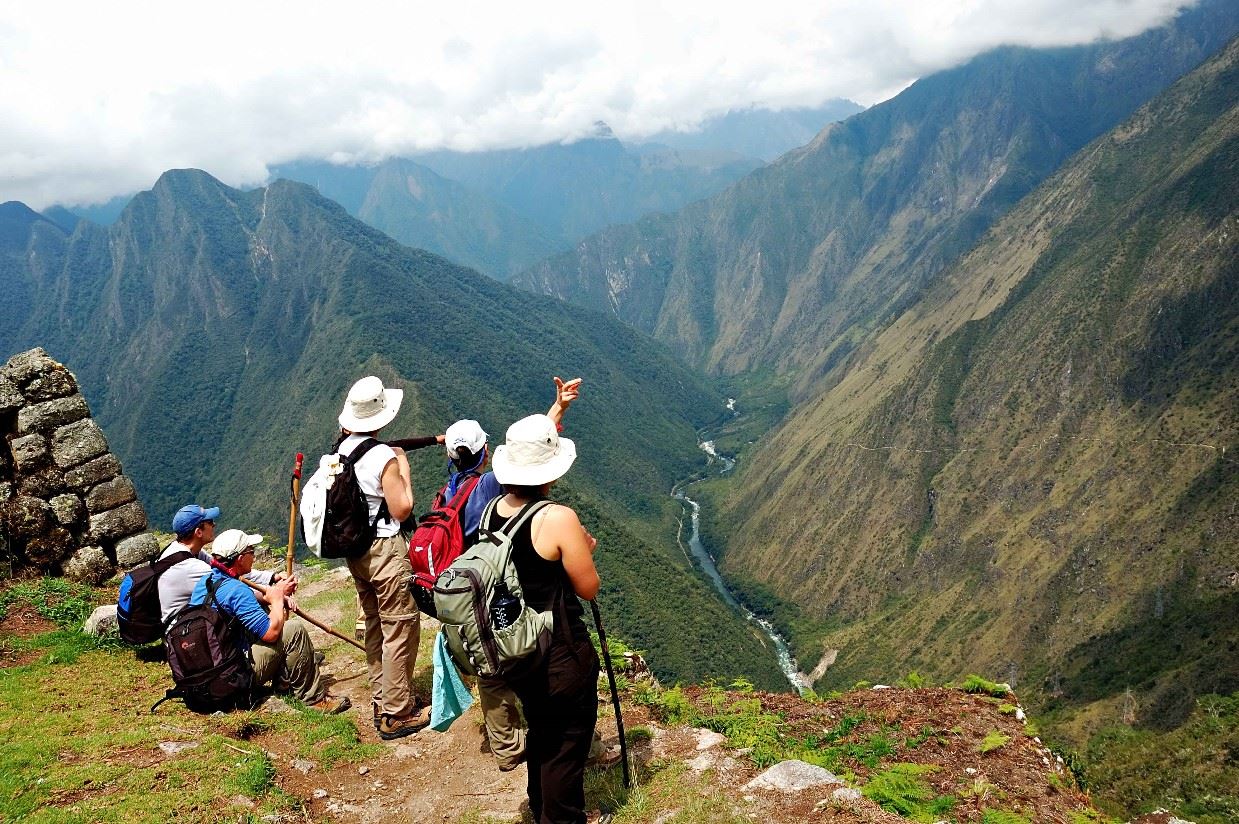
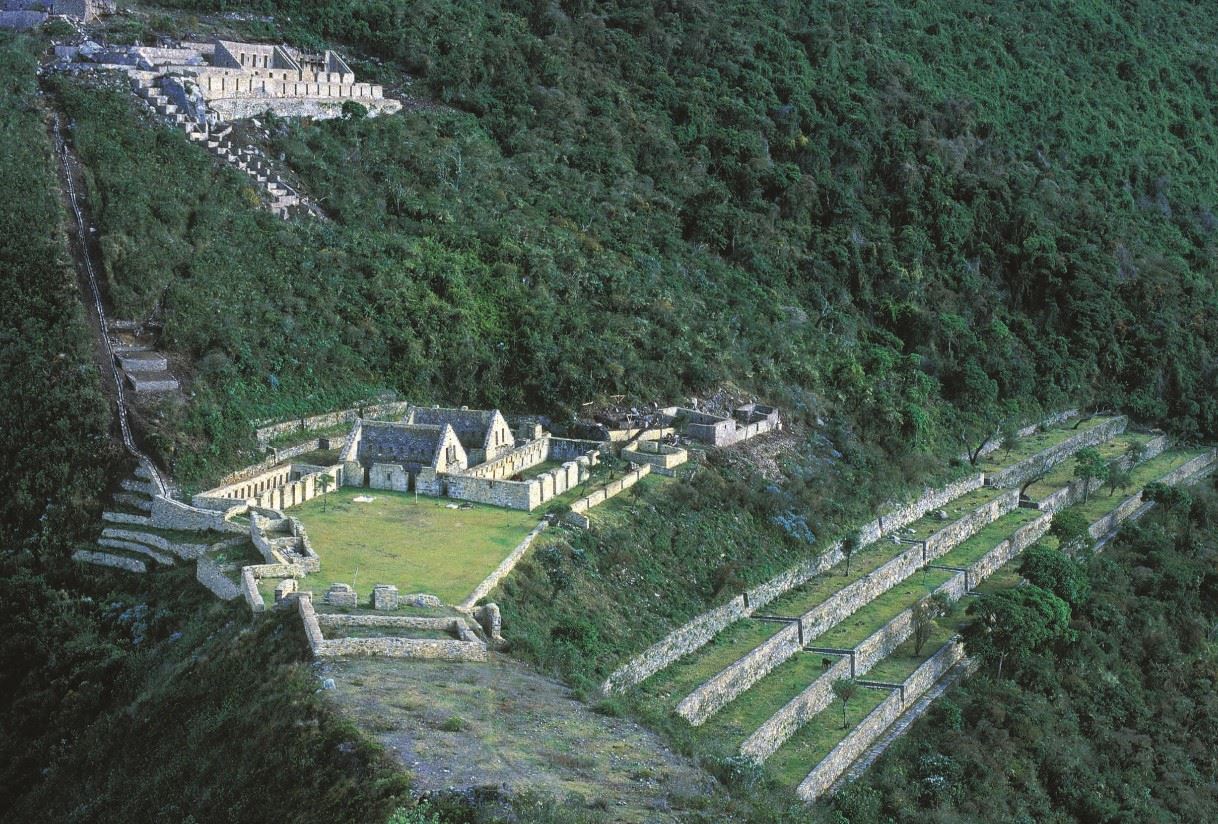
Peru offers a variety of holiday experiences for adventurous travellers with an interest in archaeology, ancient civilisations, dramatic scenery and local culture as well as being a fantastic wildlife destination.


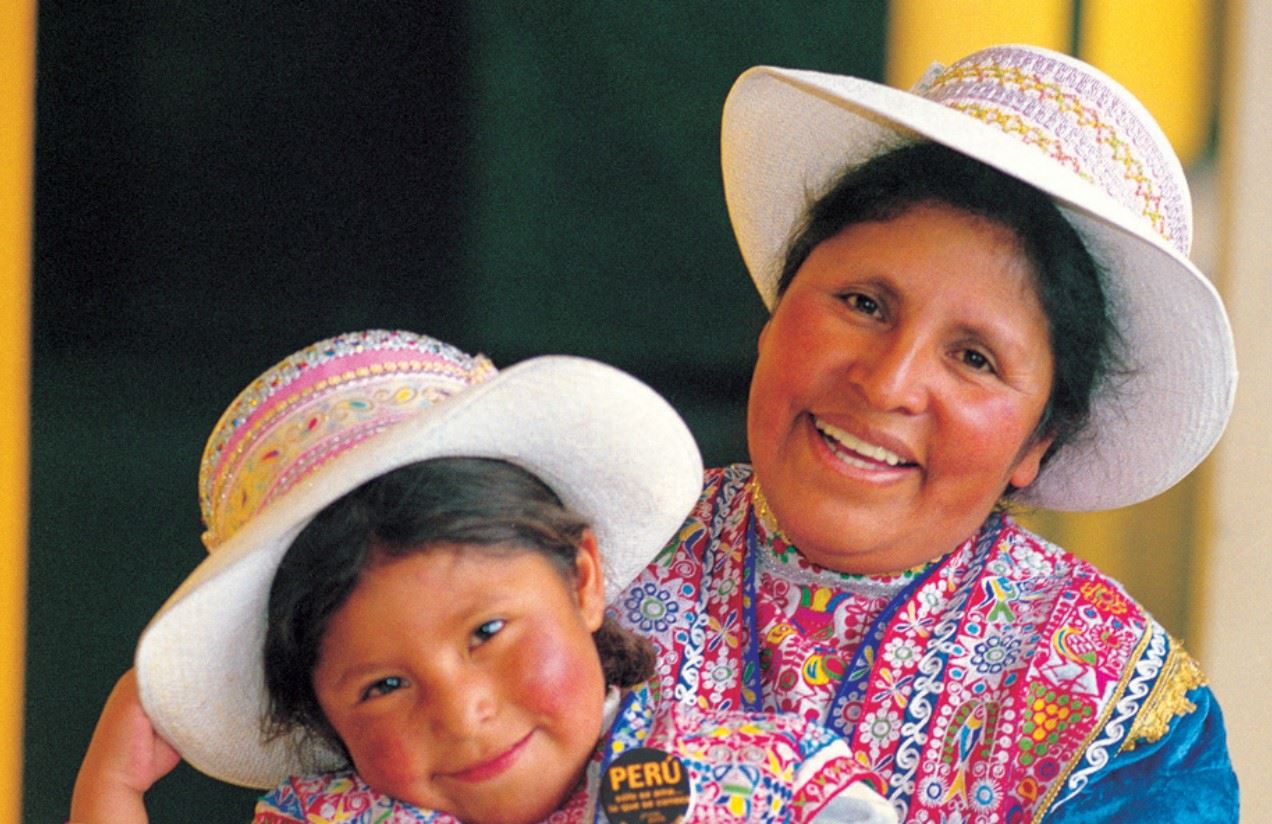
English is widely spoken around the country in hotels and lodges. A basic grasp of Spanish will be appreciated by the locals but you can still enjoy the country without it – Peruvians are warm and welcoming people.
 
We have appointed an excellent local company which will always do its best to ensure your holiday is enjoyable and address any issues that may arise.


Currency: Peruvian currency is the Nuevo Sol (S/). Bills come in S/ 10, 20, 50, and 100 denominations. There are 10 centimos to one Nuevo Sol. The exchange rate is approximately US$ 1=S/2.96 (about S/ 5.96 to £1 sterling). See the Financial Times for up to date information.
 

Visas: Travellers with British passports do not need visas to enter Peru. However, please ensure your passport has at least six months to run from the date of arrival in the country. Please also take several photocopies of the main page of your passport with you. You are required to fill in a Tourist Card in duplicate on arrival. You retain a copy to be presented on departure. Please keep it in a safe place as non-production of the form may cause problems upon departure at the airport.


If you are a foreign national living in the UK, please ensure that you have all the correct papers before leaving the UK. If your paperwork is not in order, you will be refused entry back to the UK and fined a minimum of £2,000 per person and we cannot be held responsible for the consequences.


UK passport holders are permitted to enter the United States (including when in transit) without a visa under the Visa Waiver programme for 90 days or less from their arrival date.


A machine-readable passport will be required in order to travel visa free. A machine readable passport can generally be identified by the presence of two typeface lines and numbers (with chevrons >>>) printed at the bottom of the page displaying your photo and personal details. If you are in any doubt as to whether or not your passport is a machine-readable passport, you should check with the UK Passport office.


Biometric passports: There is a requirement by the US authorities that passports issued on or after October 26 2006 must be biometric. Your current passport will remain valid until its expiry date. You will not need to exchange your passport to a biometric passport in the interim. Machine-readable passports with a digital image will continue to meet the criteria of the Visa Waiver Programme (VWP) and most British Citizens will not require a US visa. The increasing threat of identity fraud necessitates the strengthening of security features in passports. The use of biometric information to link a person to a passport can help to counter identify fraud. The Biometric British passport (also know as e-passport) will have a new design with additional security features, including a chip with the holder’s facial biometric.


The UK passport office are running a pilot scheme with Biometric passports. Please contact us for the latest situation.


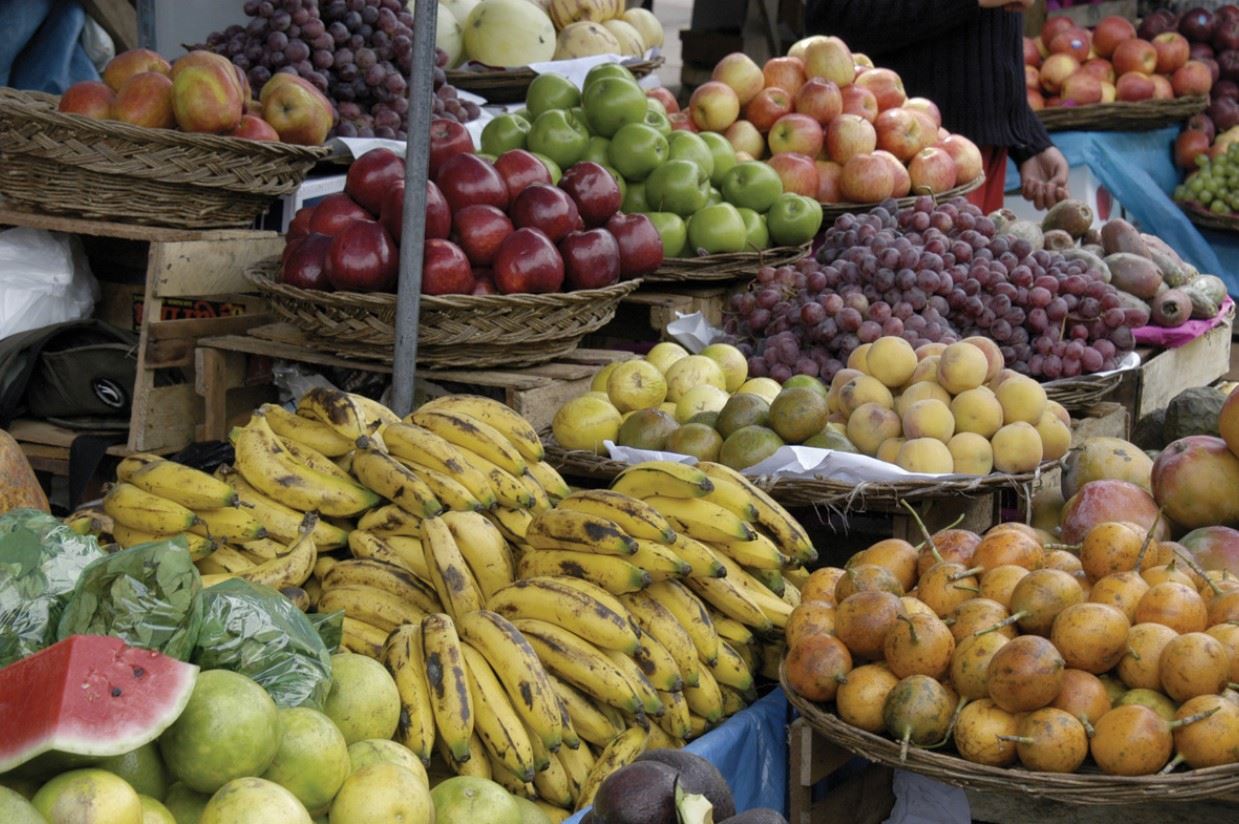
Food: Lunch is the main meal of the day in Peru, but restaurants do stay open till quite late for dinner in the evenings. Peruvian cuisine is very tasty and varied and most restaurants will also serve international dishes. The seafood is of high quality, especially along the coast. Generally, menus are printed in Spanish and English. Depending on the class of restaurant, a good meal will cost from US$10 to US$20 per person.


Vaccinations / Health: Always check with your doctor / practise nurse as to the latest health requirements no later than four weeks before departure. Vaccinations are not required by the Peruvian Government to enter the country, but Hepatitis, Tetanus, Typhoid and Diptheria vaccines are generally recommended. If you are planning to visit the Amazonian region then a course of Malaria tablets is strongly recommended. A yellow fever vaccination may also be required. Do not drink tap water or consume ice cubes - only drink bottled water. Altitude sickness may be a problem in the Andes and the following precautions help to minimise the effects: on arrival at your hotel, rest for three to four hours to acclimatise to the altitude; when ascending hills, do so slowly; drink extra fluids and avoid alcohol; eat light meals; avoid sedatives if possible. Locals often recommended drinking the coca tea which is available in most hotels and restaurants. We also recommend regular use of a sun block to protect your skin against the strong tropical sun, especially at high altitudes.


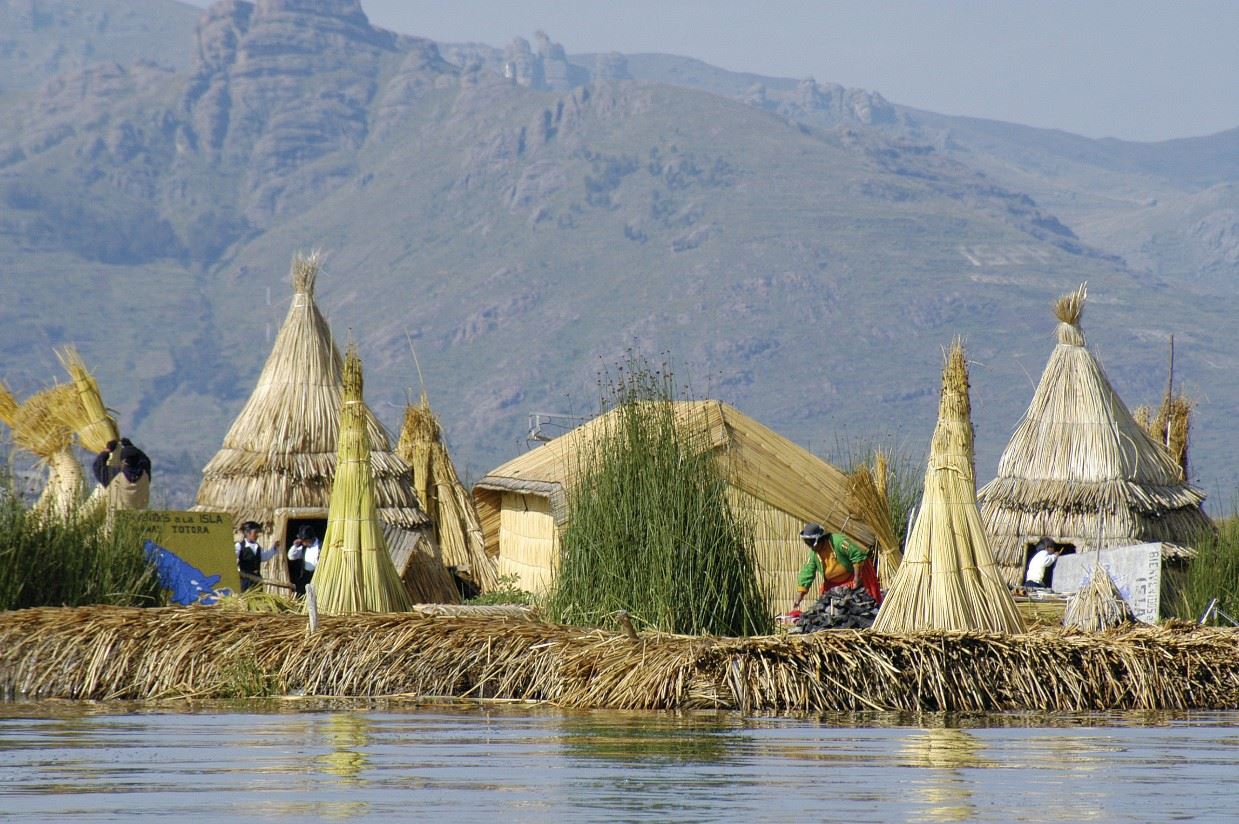
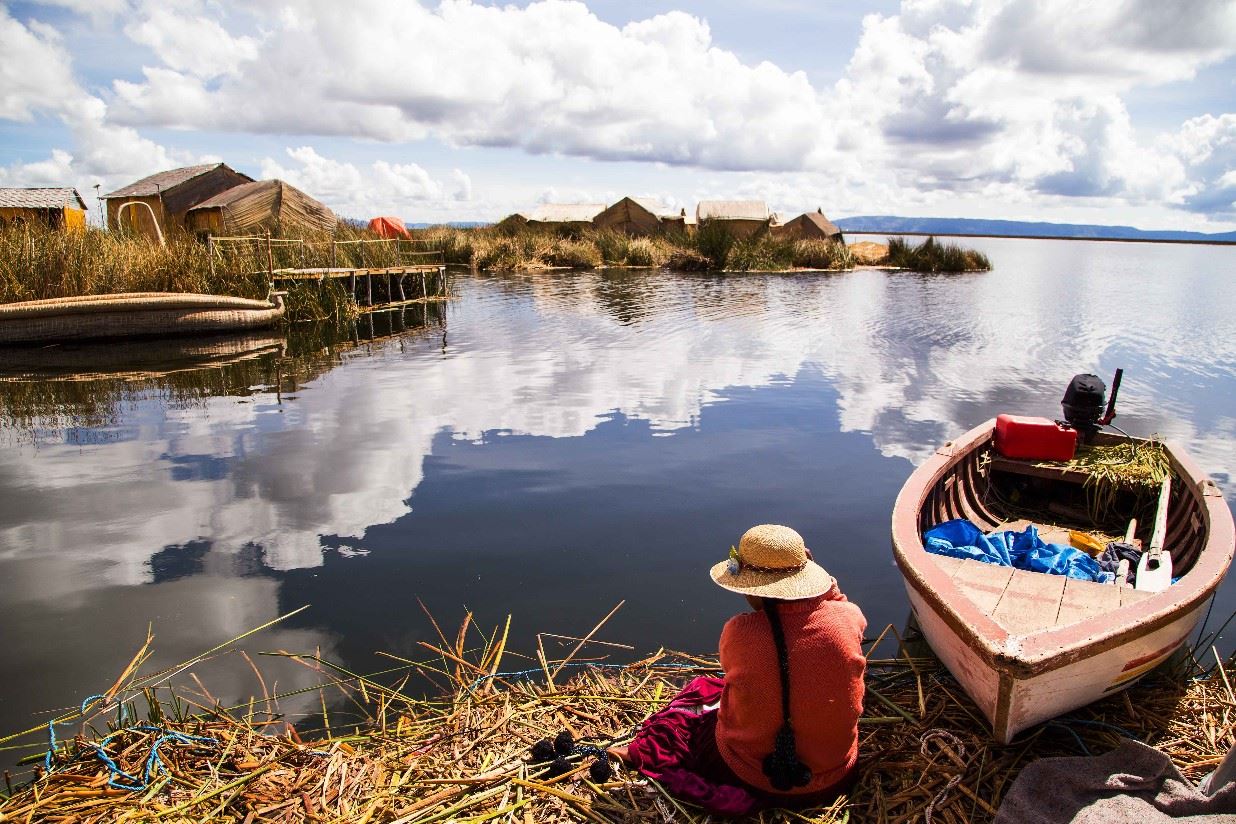
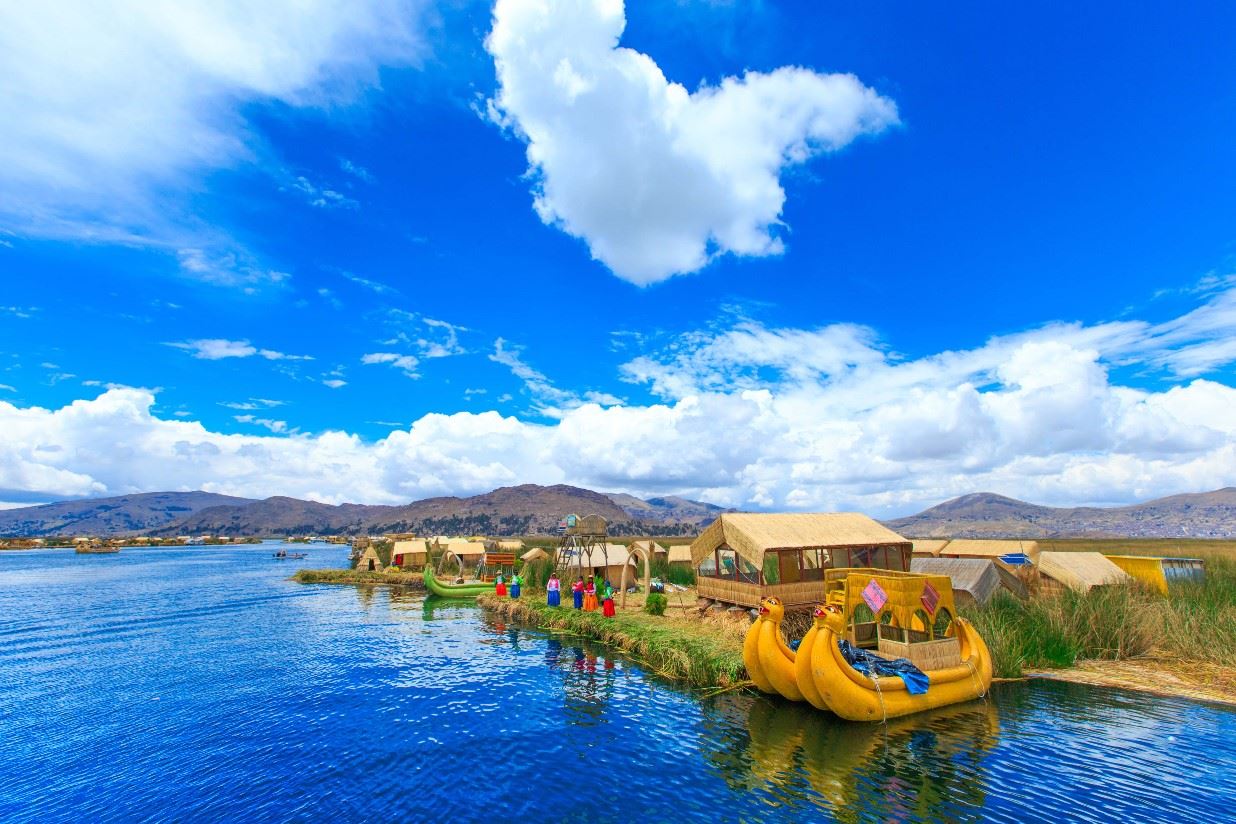
Language: Spanish is the main language. In the highlands, people are often bilingual, with Quechua spoken in most areas. The exception is around Lake Titicaca where Spanish and Aymara are the two languages. English is generally spoken in the hotels, larger restaurants, airline offices and tourist agencies but is not common anywhere else in the country.


Driving: The roads are generally asphalted and the driving (on the right) is quite civilised outside Lima. There is a high profile of traffic police on all main roads and cities. There are many tolls on the highways, especially around the larger cities of Lima and Arequipa. On average, toll charges are around S/ 3 (except on leaving Lima = S/ 11), and petrol is relatively cheap at about US$4.00 to the gallon.


Hotel Gradings: Hotels are graded on a UK type system from Deluxe downwards. The Hosterias are not graded but generally are of good, three star European hotel standards. All the hotels we feature have private facilities, with either bath and shower or shower unless otherwise stated. You will find the overall standard of our hotels very satisfactory.


Weather / When to Go: There are two seasons in Peru, wet and dry. The weather does vary greatly depending on the geographical region. The desert coast is arid. During the summer months (January to March) the sky is mostly clear and it tends to be hot and sticky with temperatures around 28C degrees. During the rest of the year, the coastal mist known as the ‘garua’ drifts in and the sun is almost always obscured, with the temperatures falling to lows of about 15C degrees from July to September.


Moving inland and climbing from Nasca, which is around 600 metres above sea level to around 2,500 metres at Arequipa, you will find this area is not affected by the ‘garua’. Rainfall is highest between January and March, with a maximum in February of about 40 millimetres. Temperatures in this region are fairly constant throughout the year from 8C degrees in winter (July to September) to 20C degrees in summer (January to March).


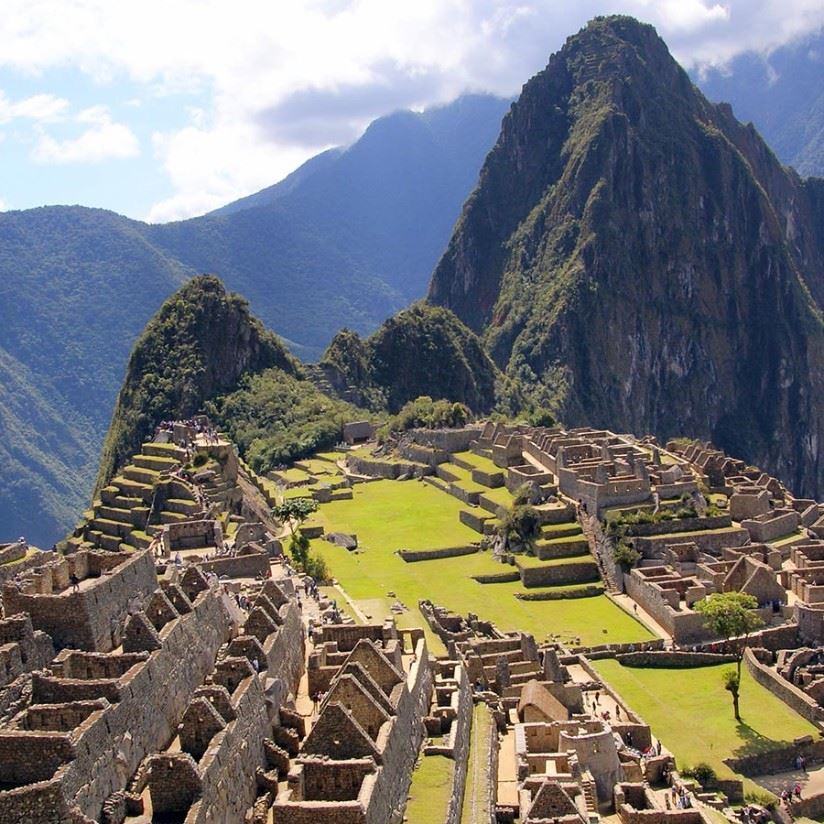
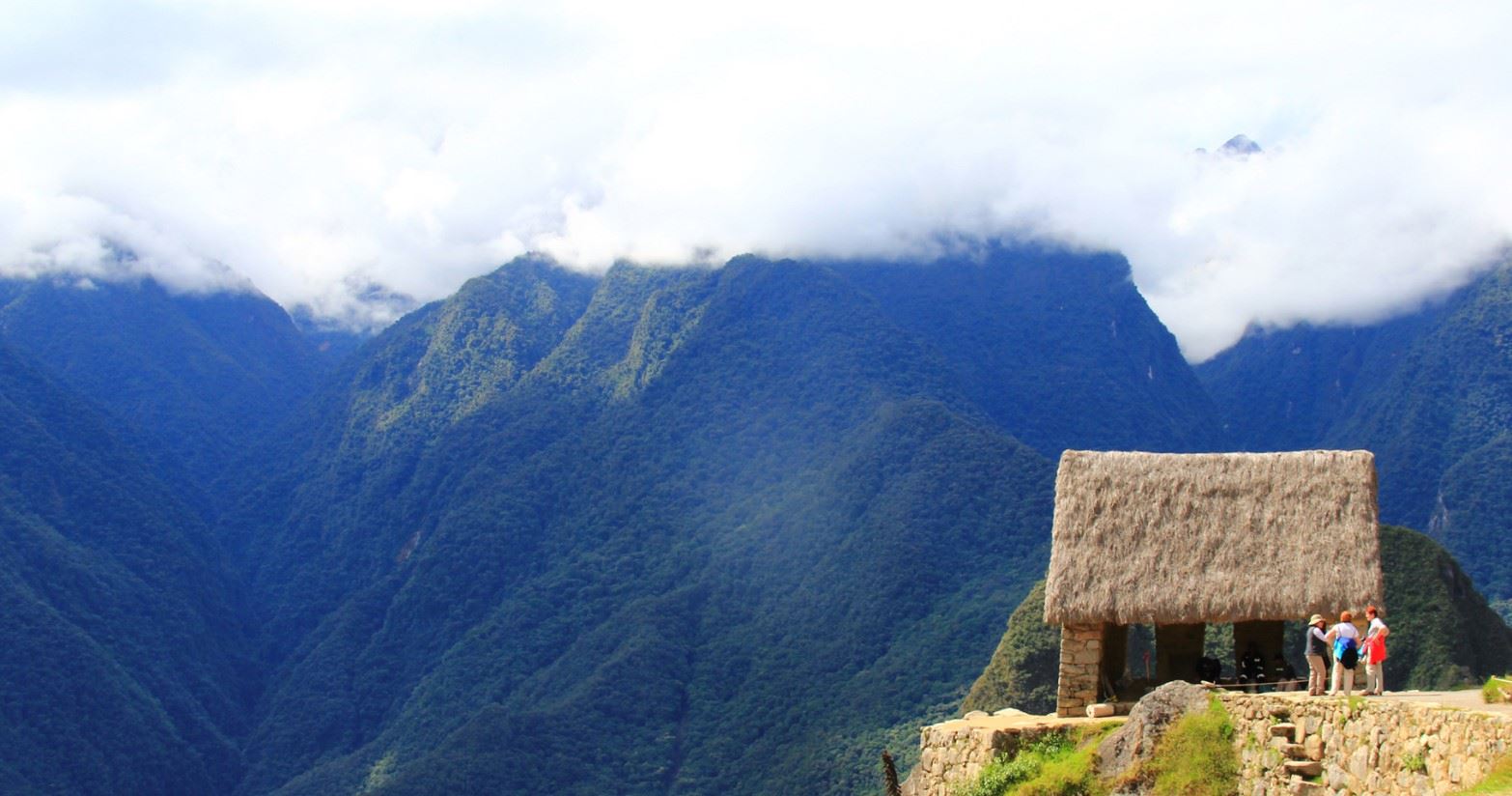
The Cusco and Machu Picchu areas in the Andes experience the seasons more acutely. Here, the drier season is between May and August and it is also colder, with temperatures at 0C degrees during the night from June to August. The heaviest rains fall from December to March. Daytime temperatures can reach 20C degrees all year in this area.


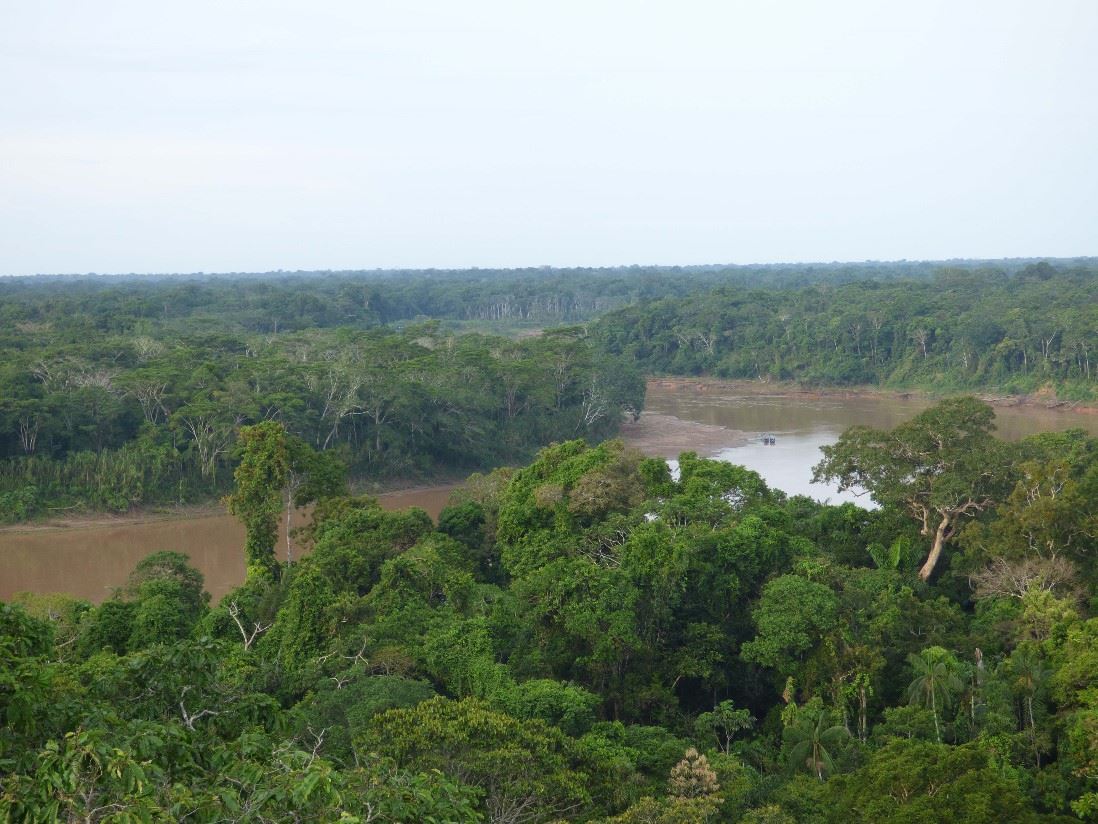
Iquitos and Puerto Maldonado, in the Amazon Basin, are the wettest areas with the lowest rainfall of 150 millimetres being in July and August, rising to a high of 300 millimetres in March and April.


Time: Peru is five hours behind Greenwich Mean Time.


Recommended Reading: Peru travel guides published by Lonely Planet, Rough Guides, Bradt and Footprint both serve as a useful insight into the country.

Our Holidays in Peru
Post-it corner