please click here for our office opening hours and contact details.


Latin America  |  Ecuador  |  Map  |  Activities  |  Our Holidays in Ecuador  
Our Holidays in Ecuador - A Few Guidelines

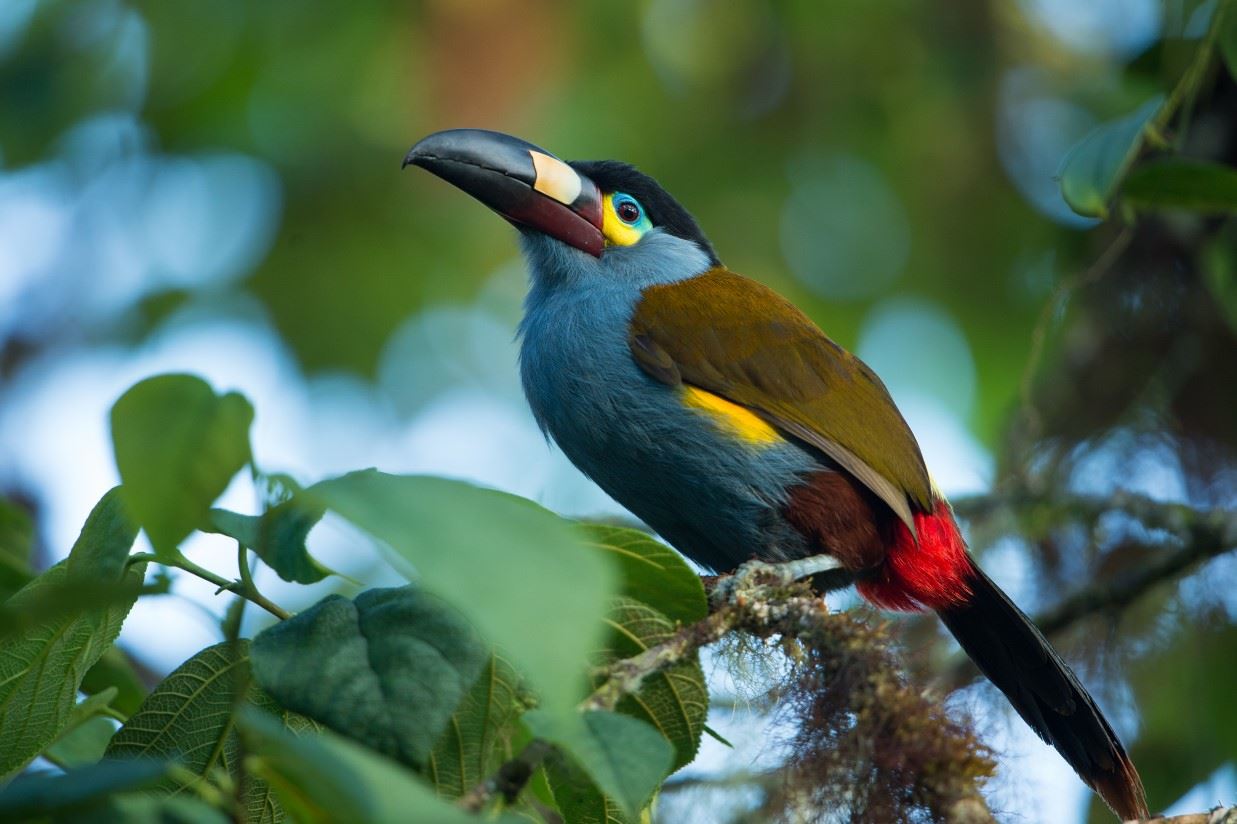
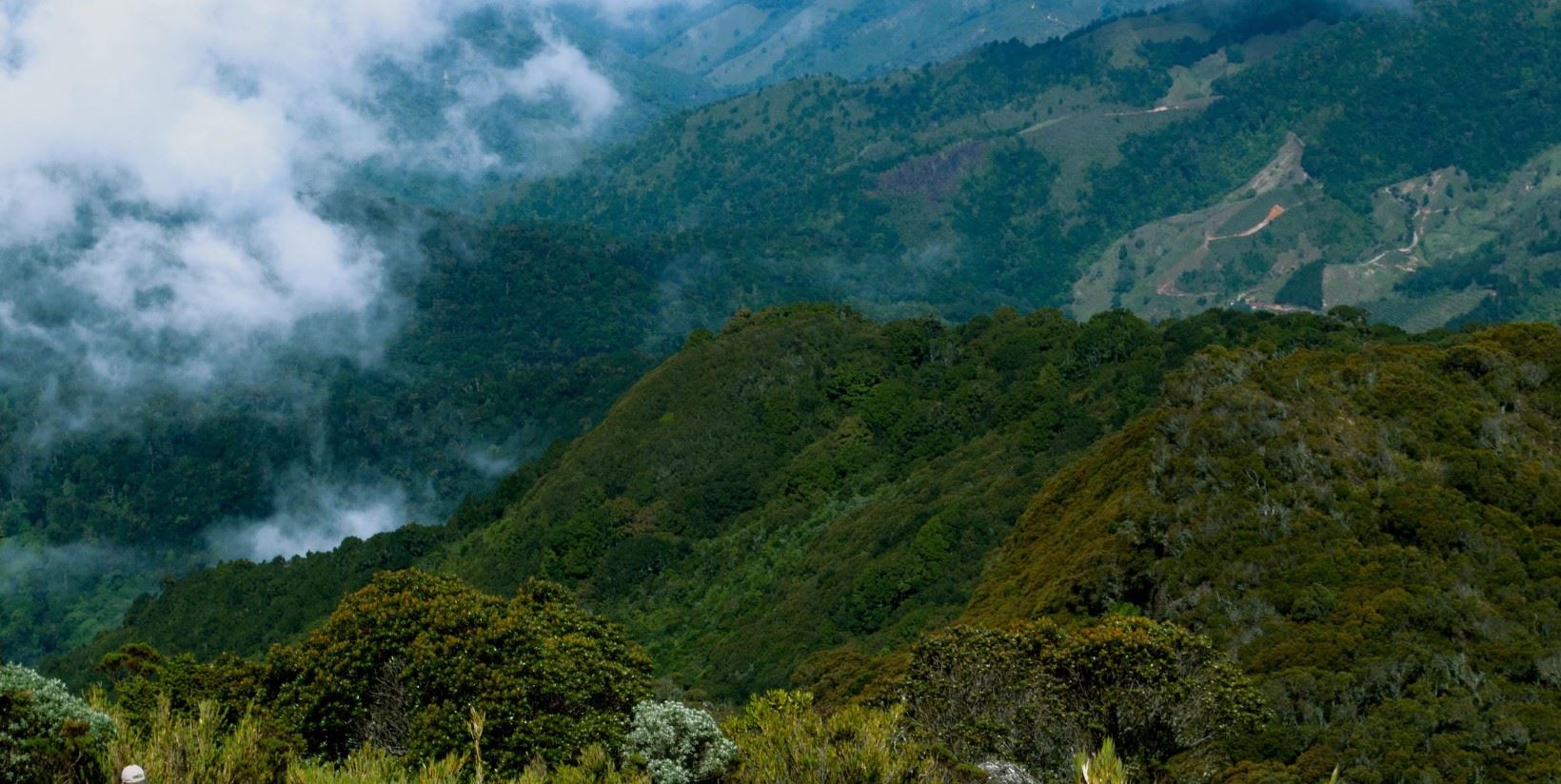
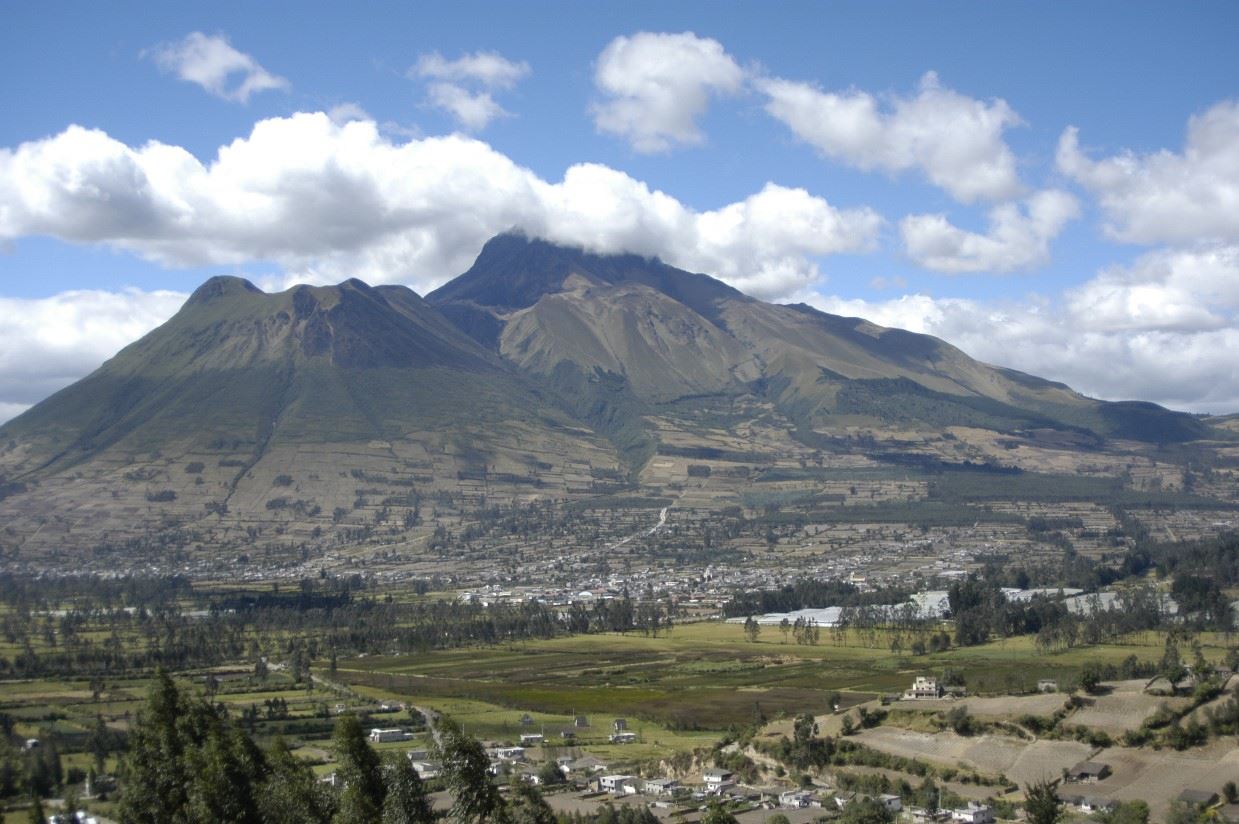
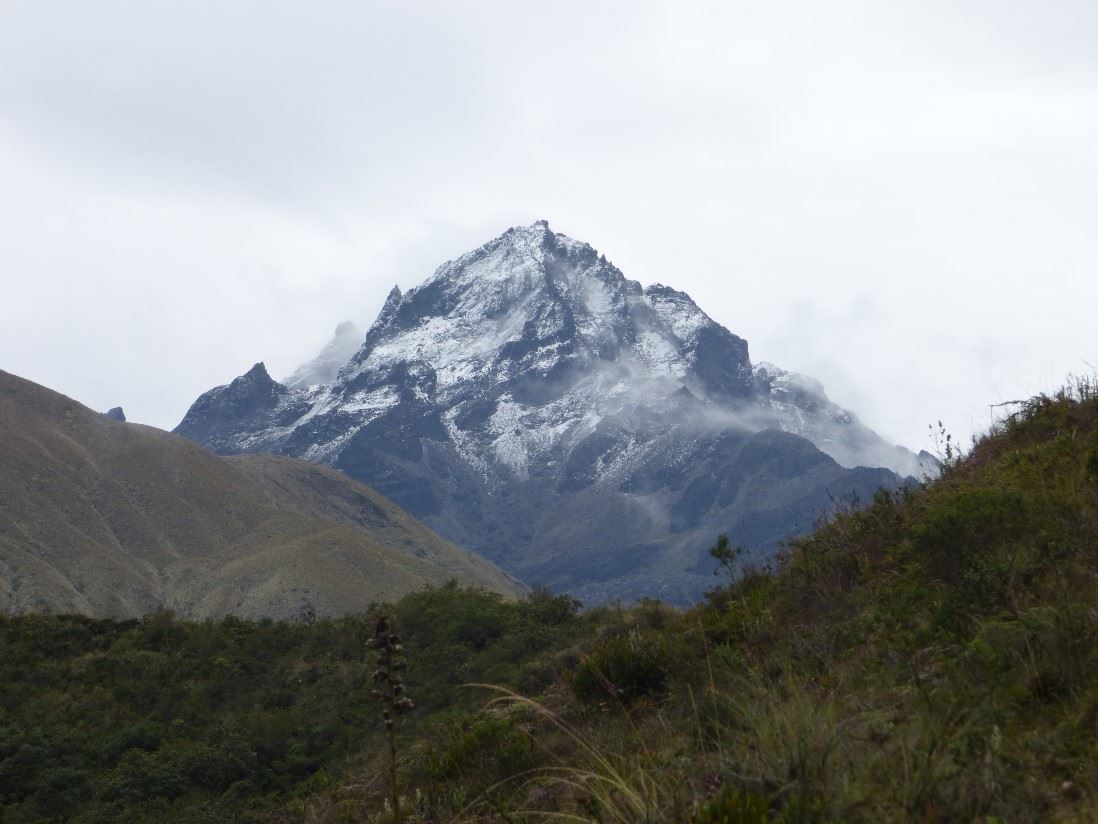
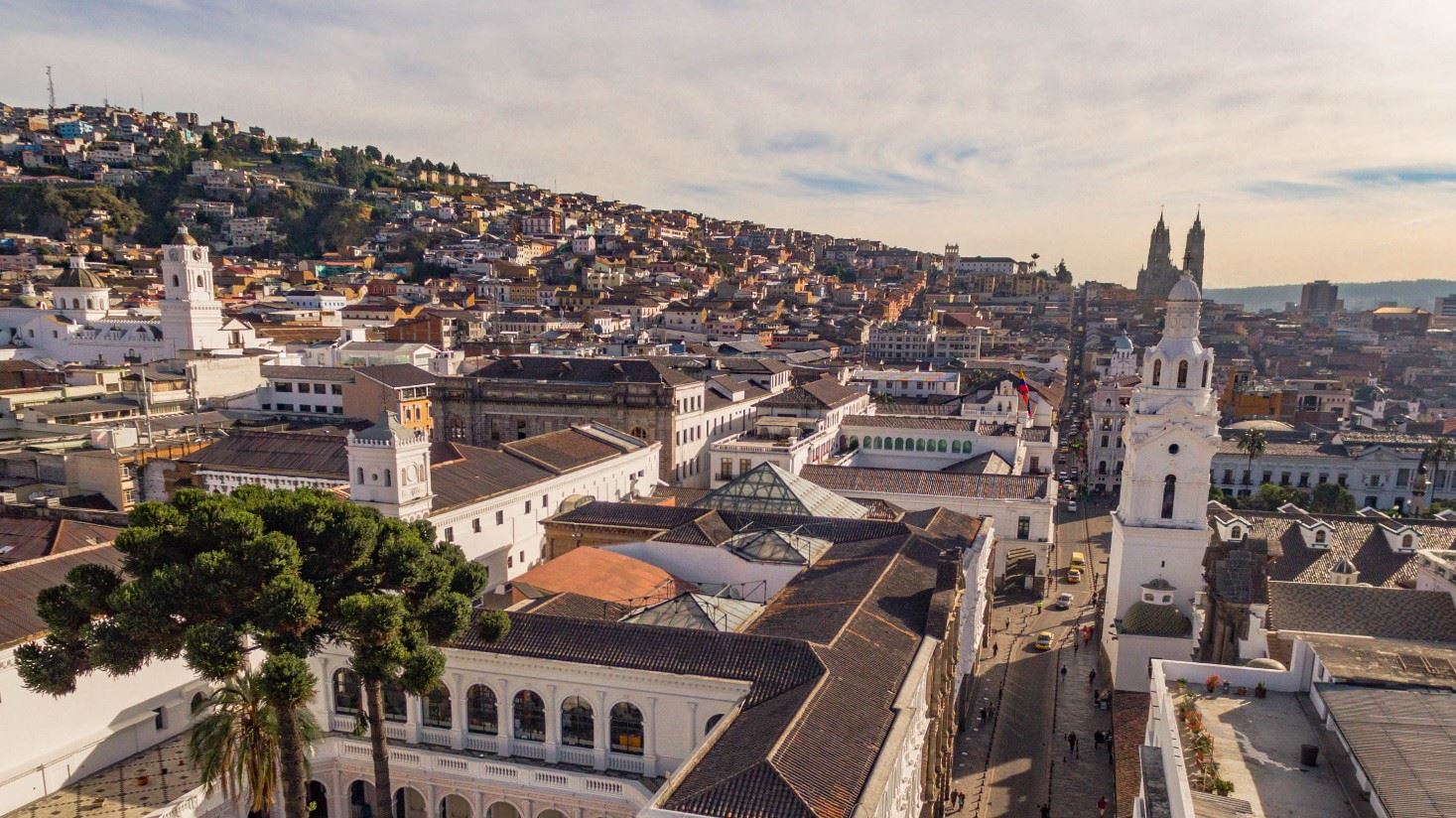
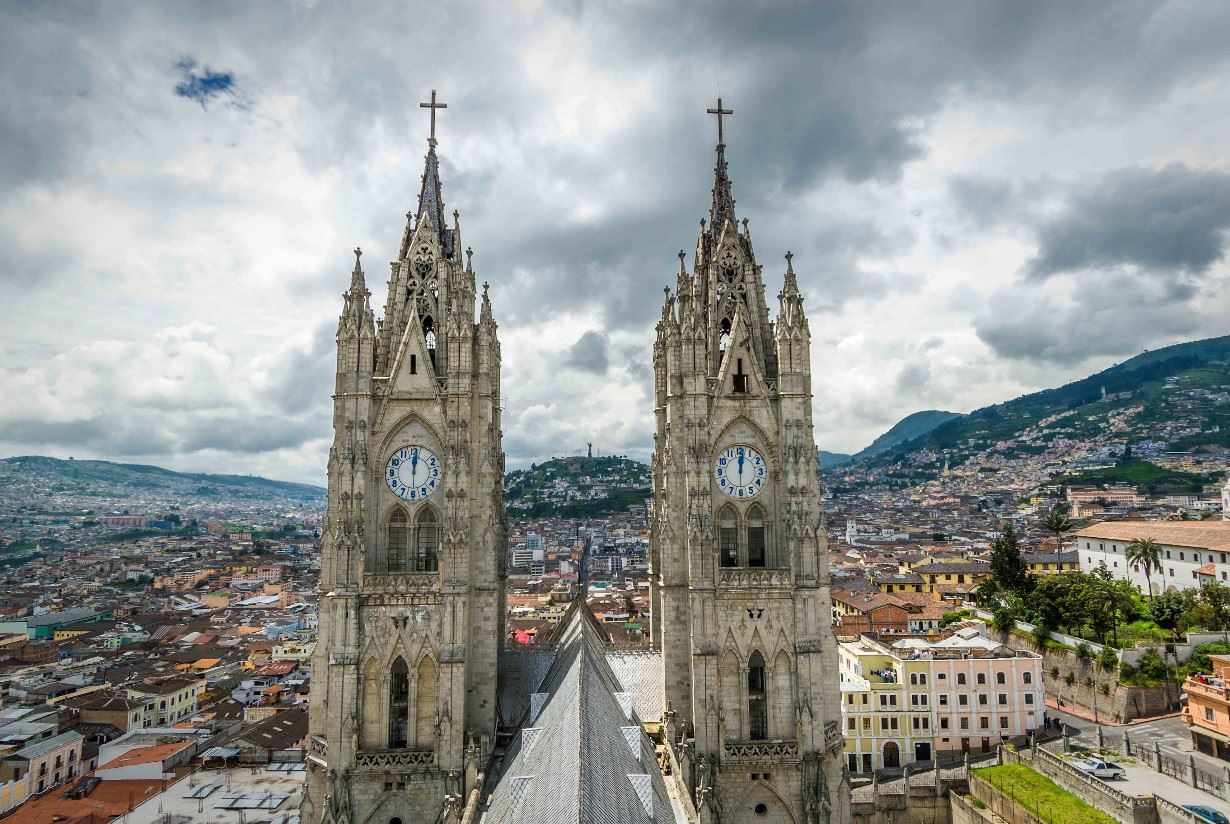
Ecuador offers huge variety, from the Andean highlands, to the Amazon, to the Galapagos Islands.  A holiday to mainland Ecuador will suit the more inquisitive and adventurous traveller who wishes to see a less commercial South American destination which has dramatic scenery, traditional Andean towns and villages and excellent wildlife. The Galapagos Islands are a superb wildlife destination offering a once in a lifetime opportunity to see some unique bird and reptile species, many of which are endemic to the islands.


English is spoken only in pockets around the country and can be fairly limited in some of the hotels in the highlands. However, communication is usually not too much of a problem; a few Spanish words go a long way along with plenty of miming and gesticulating! Ecuadorians are warm and welcoming people who will make every effort to try and understand and help you.
 
We have appointed an excellent local company which will always do its best to ensure your holiday is enjoyable and address any issues that may arise.


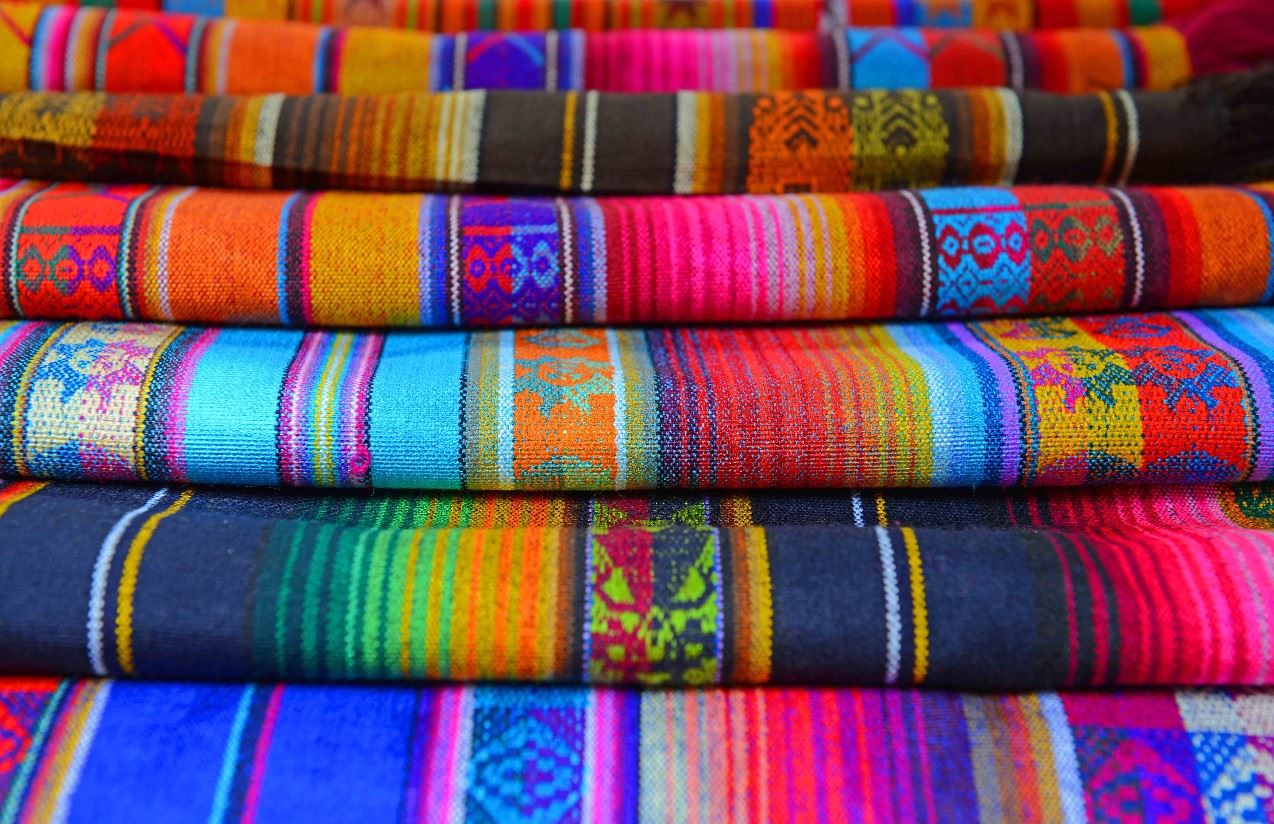
Currency: The unit of currency is the US Dollar. The cost of living is low and local villages offer good leather items and tasteful indian textiles at very reasonable prices. See Financial Times for up to date information.


Visas: Travellers with British Passports do not need visas for Ecuador, but please ensure that your passport has at least six months to run. Please also take several photocopies of the main page of your passport with you. You will be given a tourist visa card to complete on your outbound flight. Upon arrival, this will be checked and stamped and you will be given a copy. Please ensure that you store this safely as you will be asked to submit it before your departure.


If you are a foreign national living in the UK, please ensure that you have all the correct papers before leaving the UK. If your paperwork is not in order you will be refused entry back to the UK and fined a minimum of £2,000 per person and we cannot be held responsible for the consequences.


Currently, British passport holders do not require a visa when transitting in the US (when connecting with flights to Quito). Please check with us if you have any queries.

UK passport holders are permitted to enter the United States (including when in transit) without a visa under the Visa Waiver programme for 90 days or less from their arrival date.


A machine-readable passport will be required in order to travel visa free.  A machine readable passport can generally be identified by the presence of two typeface lines and numbers (with chevrons >>>) printed at the bottom of the page displaying your photo and personal details.  If you are in any doubt as to whether or not your passport is a machine-readable passport, you should check with the UK Passport office.


Biometric passports: There is a requirement by the US authorities that passports issued on or after October 26 2006 must be biometric.


Your current passport will remain valid until its expiry date.  You will not need to exchange your passport to a biometric passport in the interim.  Machine-readable passports with a digital image will continue to meet the criteria of the Visa Waiver Programme (VWP) and most British Citizens will not require a US visa.  The increasing threat of identity fraud necessitates the strengthening of security features in passports.  The use of biometric information to link a person to a passport can help to counter identify fraud.  The Biometric British passport (also know as e-passport) will have a new design with additional security features, including a chip with the holder’s facial biometric details.


The UK passport office are currently running a pilot scheme with Biometric passports. Please contact us for the latest situation.


Food & Drink: Food varies with the region but is generally tasty, not particularly spicy and of a high standard in all the hotels and hosterias we use. There are typical dishes in every region and a very wide variety of delicious temperate and tropical fruits. A good meal with Argentinian or Chilean wine costs between $15 and $20 per person. Dinner is rarely served after 10.00pm.


Vaccinations / Health: You should always check with with your doctor/practise nurse as to the latest requirements no later than four weeks before departure. At present in the Andean region there is no fear of malaria, but the standard typhoid, tetanus, polio, hepatitis A and cholera vaccinations are advisable. If you are to visit the Amazon jungle then you will probably need yellow fever and a course of  anti-malaria tablets. These may also be necessary in some areas of the coastal lowlands.


We also recommend regular use of a sun block to protect your skin against the strong tropical sun at high altitudes. Drink bottled water to avoid heat exhaustion (checking seal is not broken). This should be drunk in preference to tap water. In the highlands, you will find that any strenuous activity will leave you breathless. You will need at least 48 hours to acclimatize but you should never expect to fully adjust to functioning normally at such altitudes.
 

Language: The Ecuadorians in much of the Andean and some of the Amazon regions speak Quechua, the ancient language of the Incas. Most people speak Spanish. It is better to ask permission (or gesture) with locals before taking photographs so as to avoid offending anyone.


Driving: Most roads are asphalted, are of a good standard and the driving (on the right) even in the cities of Quito and Cuenca is civilised. Traffic outside the cities is sparse. Dusk is around 6pm all year round.


Hotel Gradings: Hotels are graded de luxe, first class, second class and downwards. De luxe equates approximately to an average four star European city quality hotel and First Class to three star European standards. The Hosterias are also graded from First Class downwards. You will find the overall standard of the accommodation we feature to be very satisfactory.


Weather / When to Go: Ecuador can be visited all year round. The weather in the highlands remains much the same throughout the year with small variations from region to region. As a general rule, the warmest and driest months in the highlands are from June to September and a short dry season also occurs during the month around Christmas. The mean temperature is about 13°C (55°F) and during the day can reach the low 20’s°C (low 70’s°F). At nights it is chilly, closer to 10°c (50°F) and you will need a jumper and light jacket. During the winter months of October to May it may rain in the afternoons.


In the Amazon basin you can expect it to be hot and very humid all year round. It rains during most of the year, especially during the afternoon and evening.


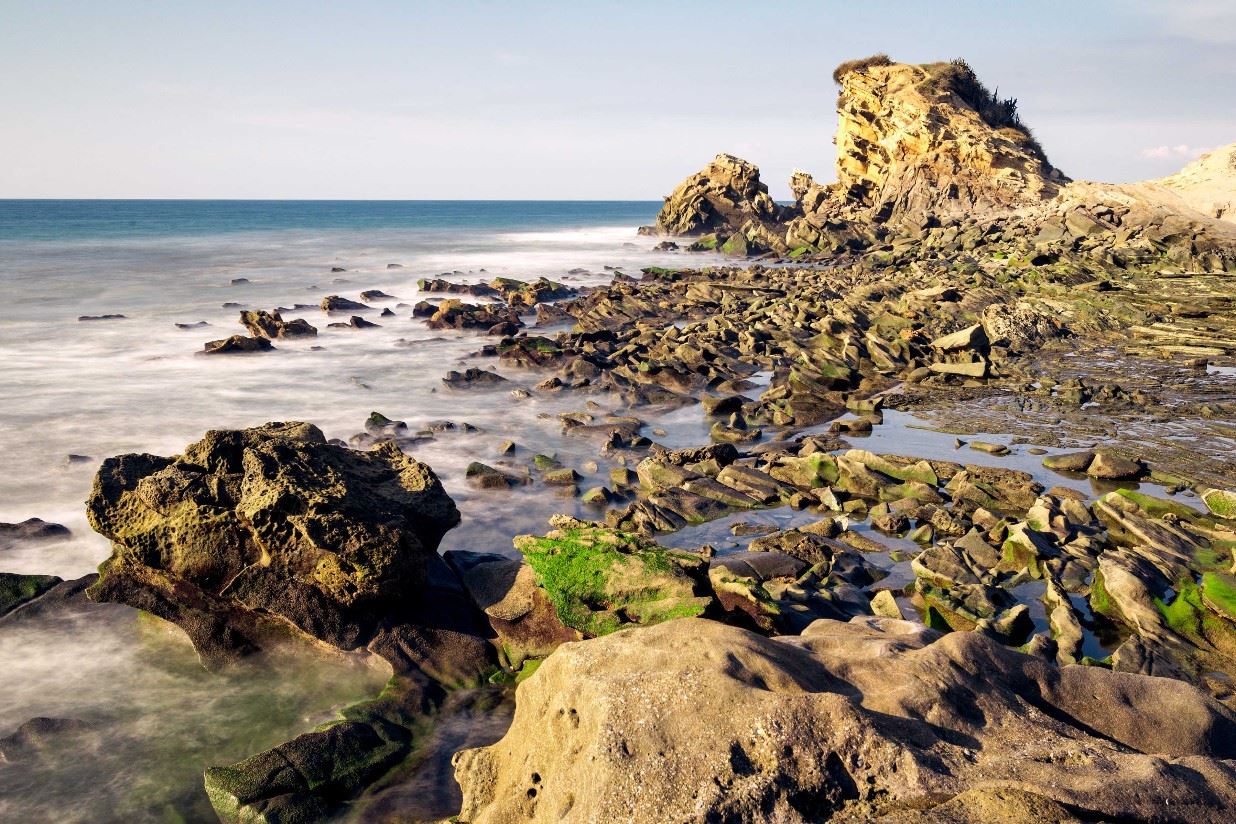
The Pacific coastal region is hot and sunny from December to May with heavy downpours. June to November is cooler and drier.


In the Galápagos, December to May is normally hot and rainy. It does not rain all the time, but you can expect torrential downpours now and then. Temperatures are between 24°C and 28°C (75°F and 82°F). Temperatures from June to November range between 18°c and 20°C (64°F to 68°F) - it rarely rains although it is often grey and overcast; also a stiff breeze can make the waters choppier.


Combinations: Ecuador and the Galapagos Islands combine very well with Peru, offering an excellent wildlife and archaeological experience.


Time: Ecuador is 5 hours behind Greenwich Mean Time (GMT) (Galápagos is 6 hours behind).


Recommended Reading: Ecuador & Galápagos travel guides published by Lonely Planet, Footprint and Rough Guide all serve as a useful insight into the country.

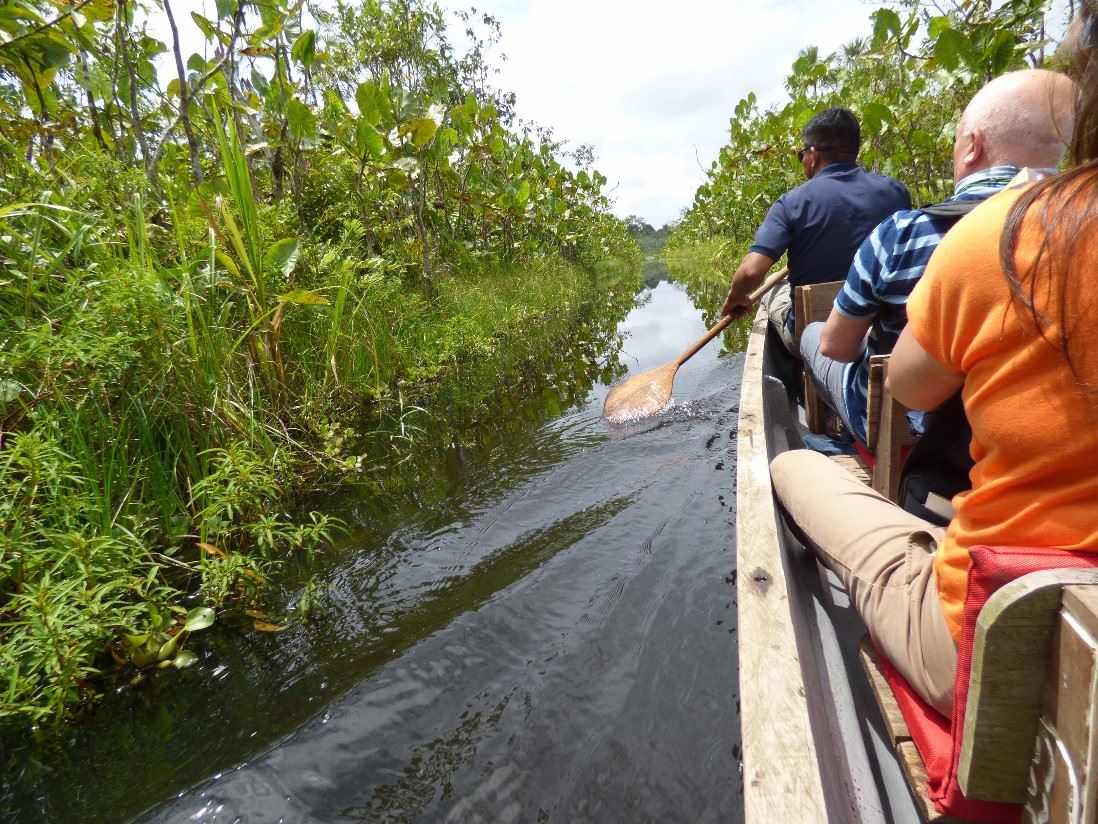
Amazon Canoe Ride
Our Holidays in Ecuador
Post-it corner