










please click here for our office opening hours and contact details.


Latin America  |  Costa Rica  |  Map  |  Activities  |  Our Holidays in Costa Rica  
Our Holidays in Costa Rica - A Few Guidelines

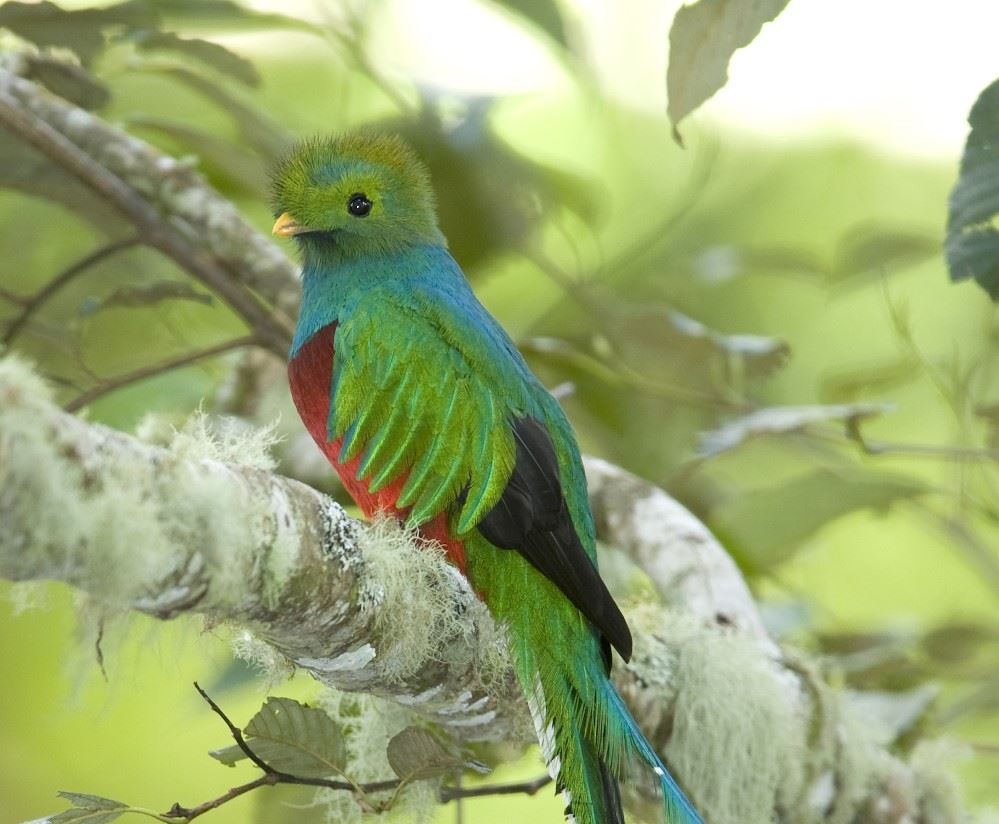
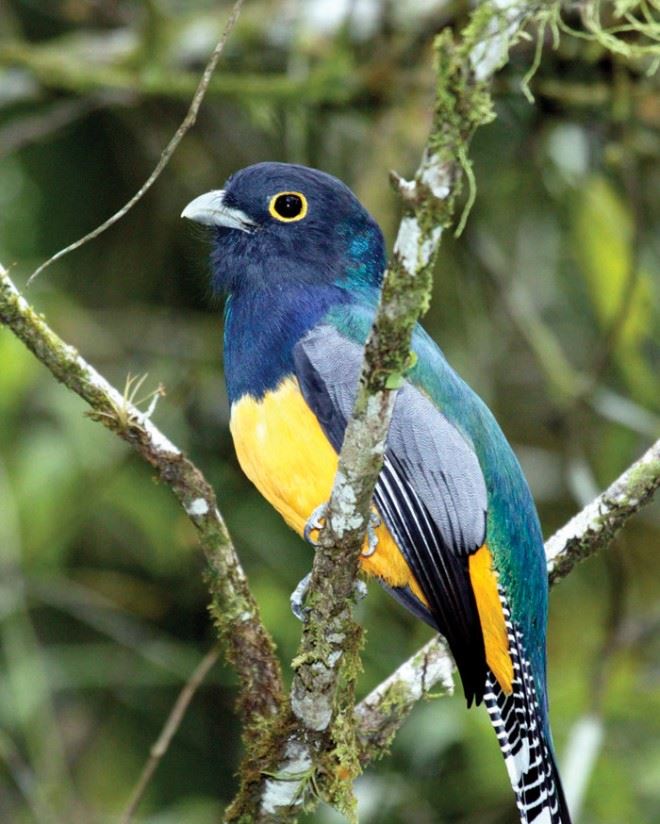
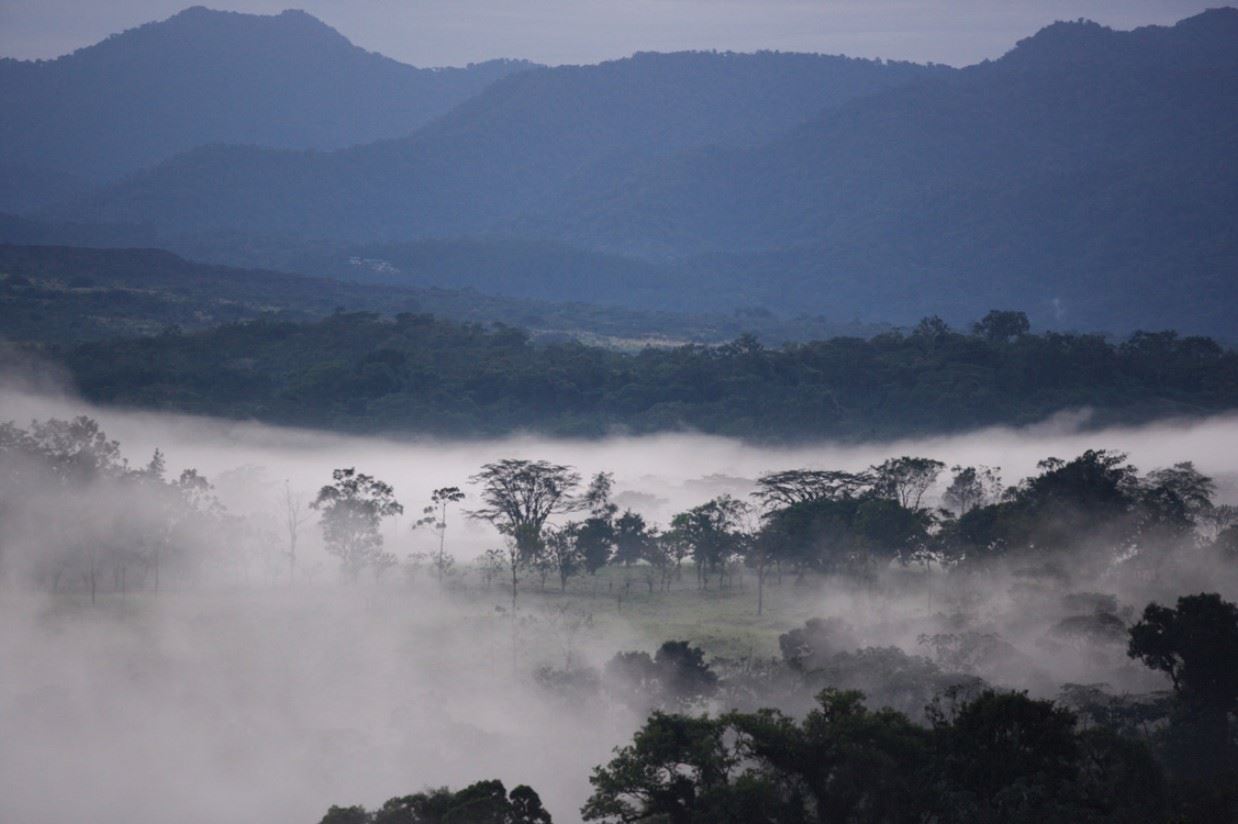
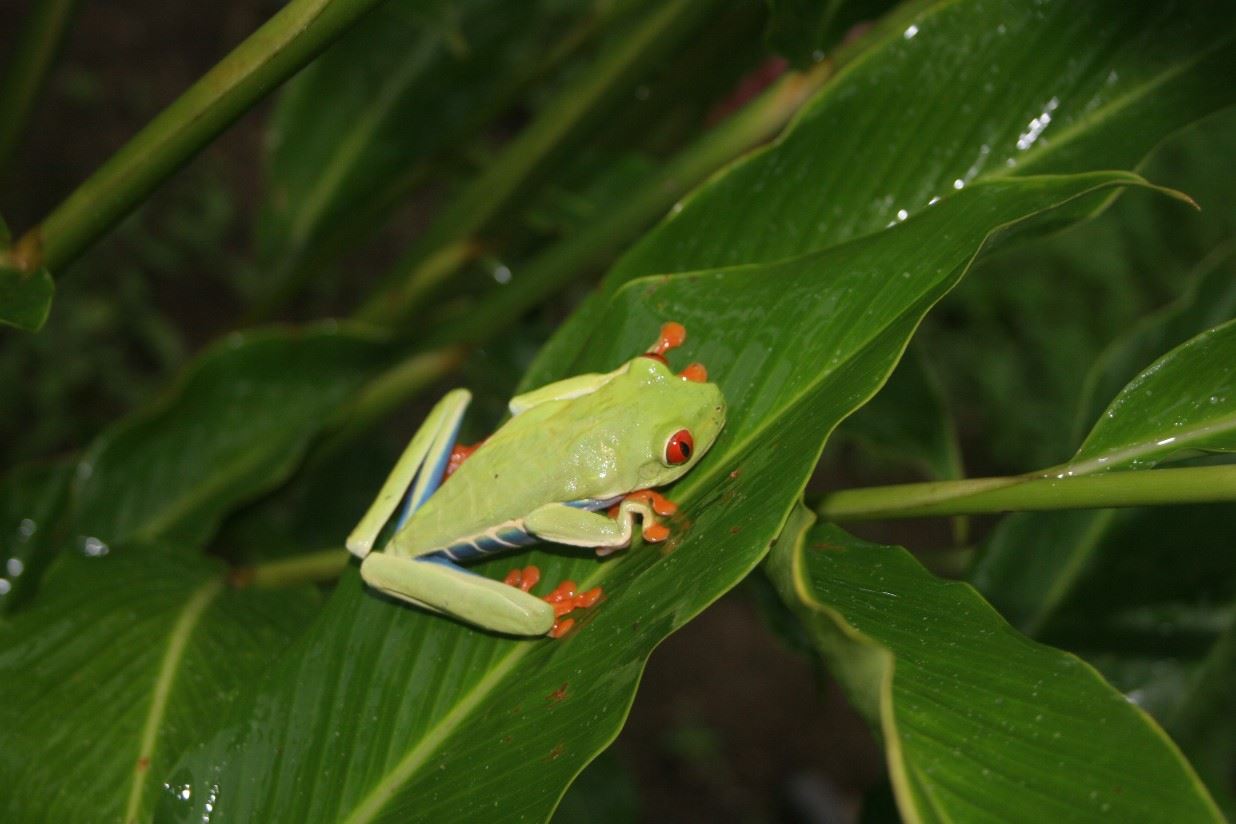
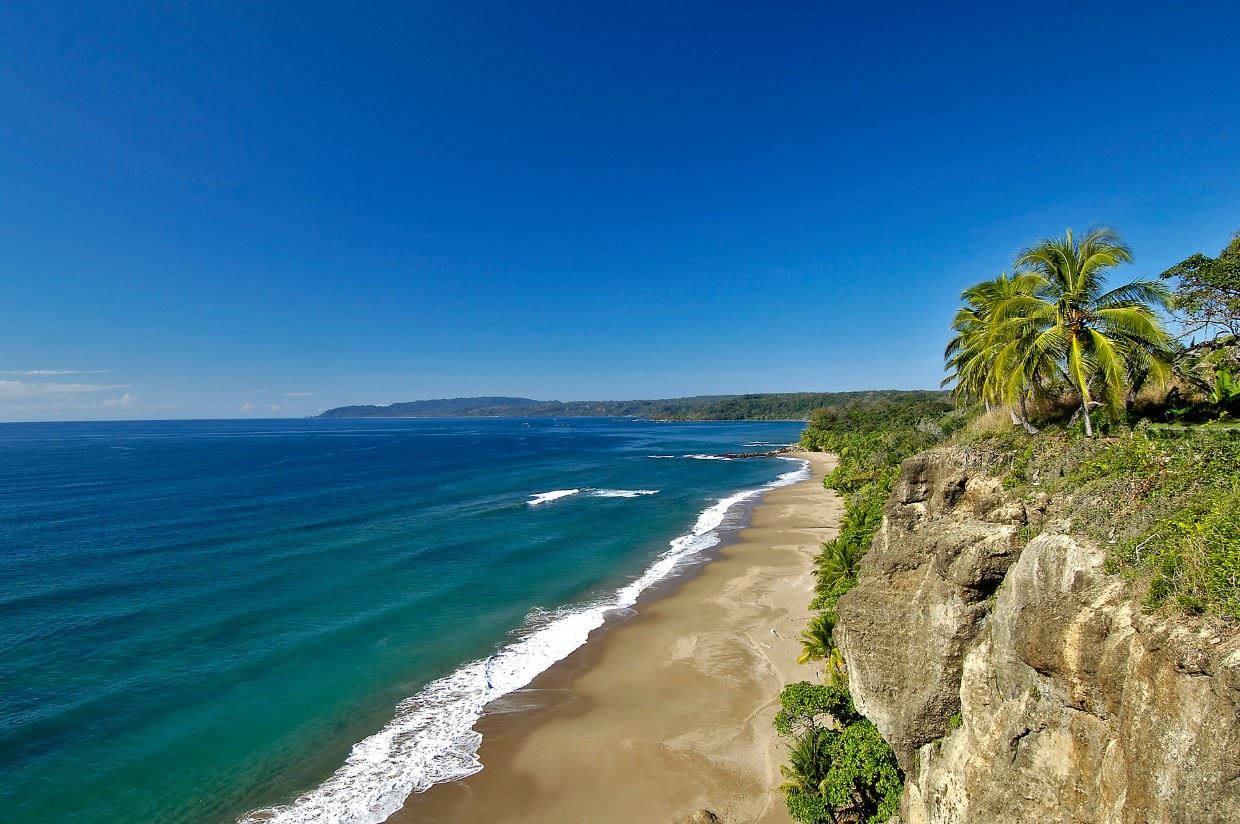
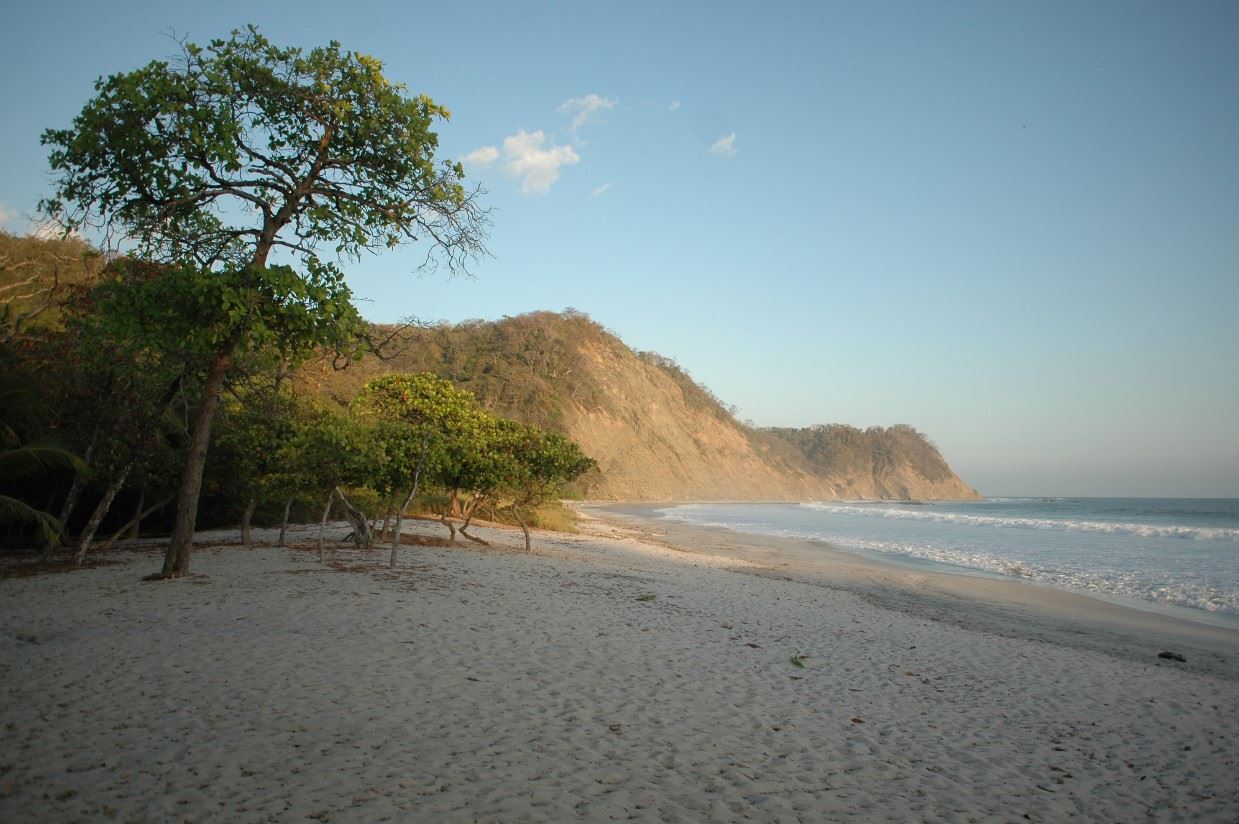
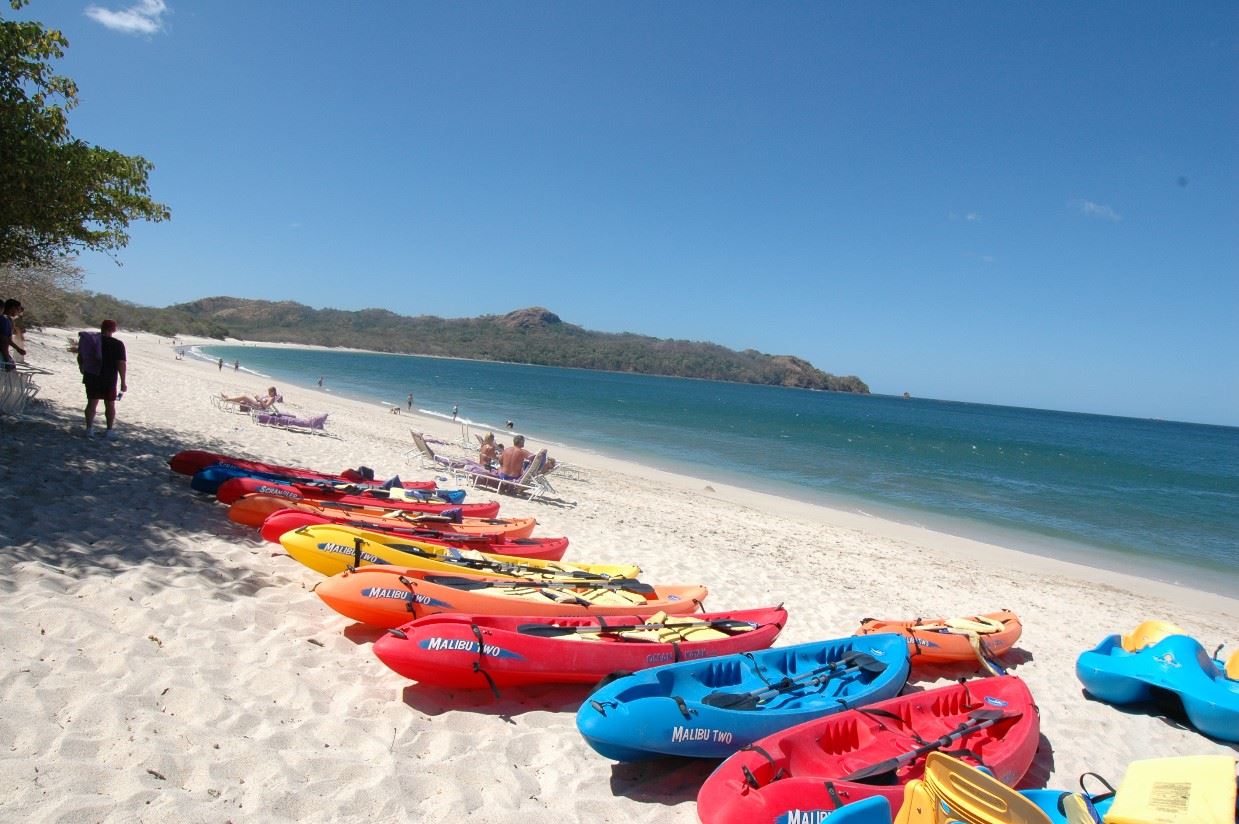
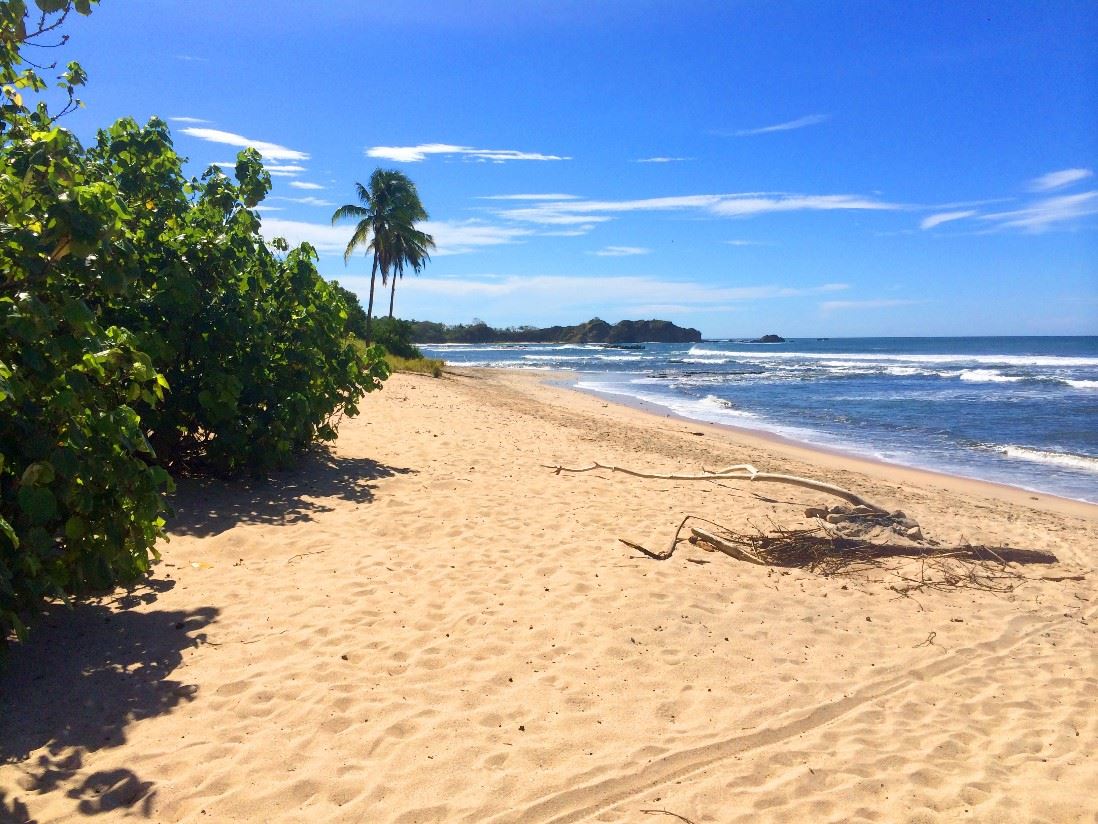
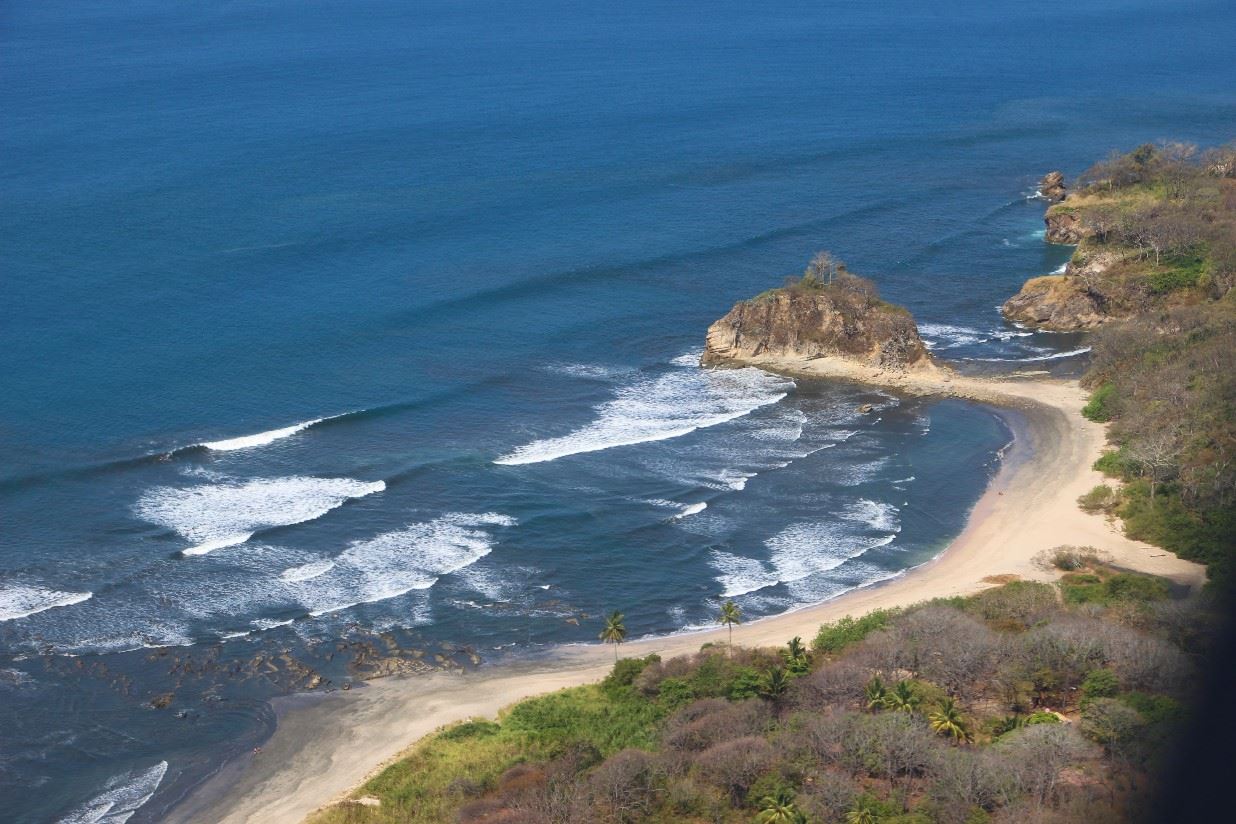
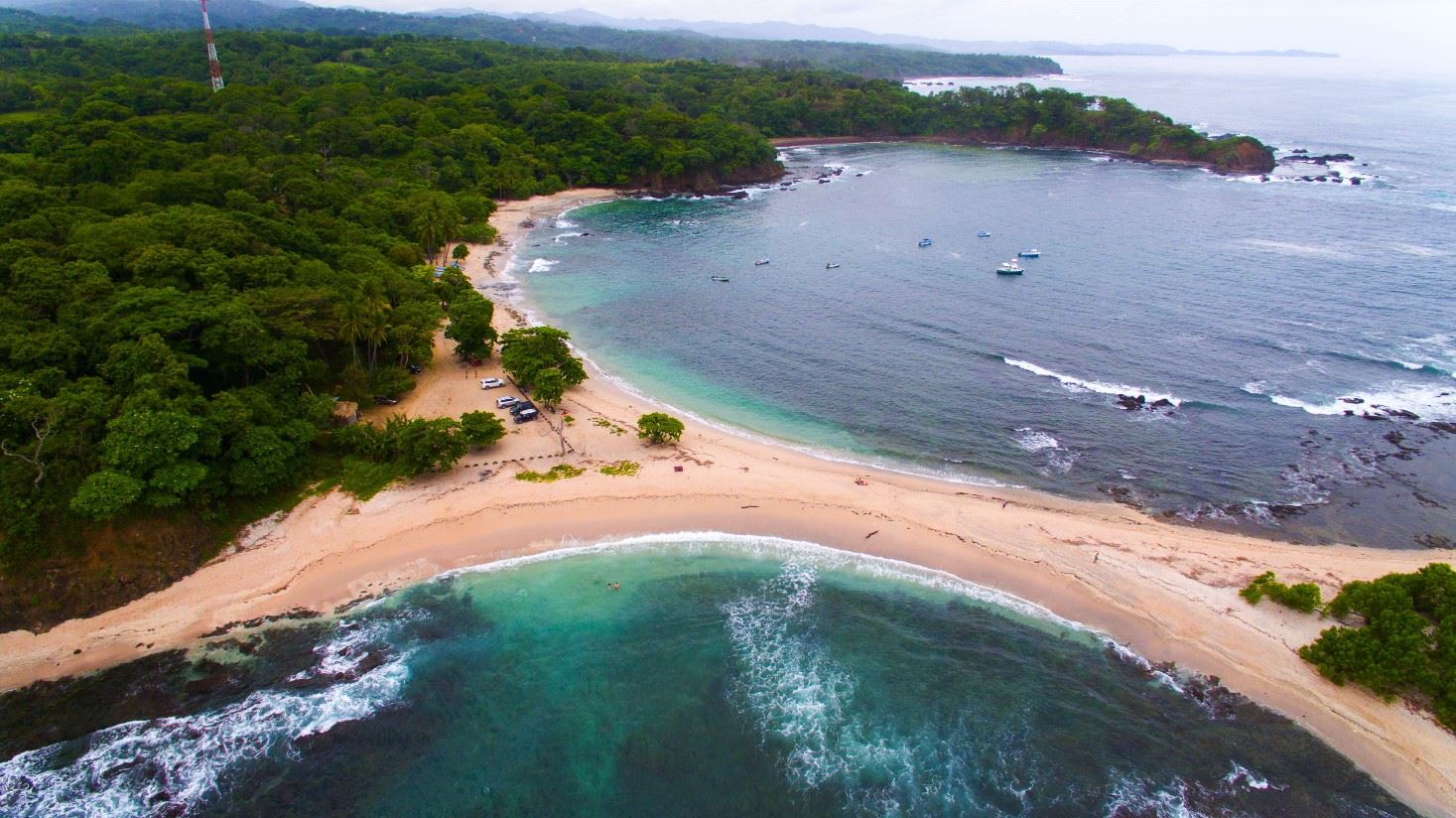
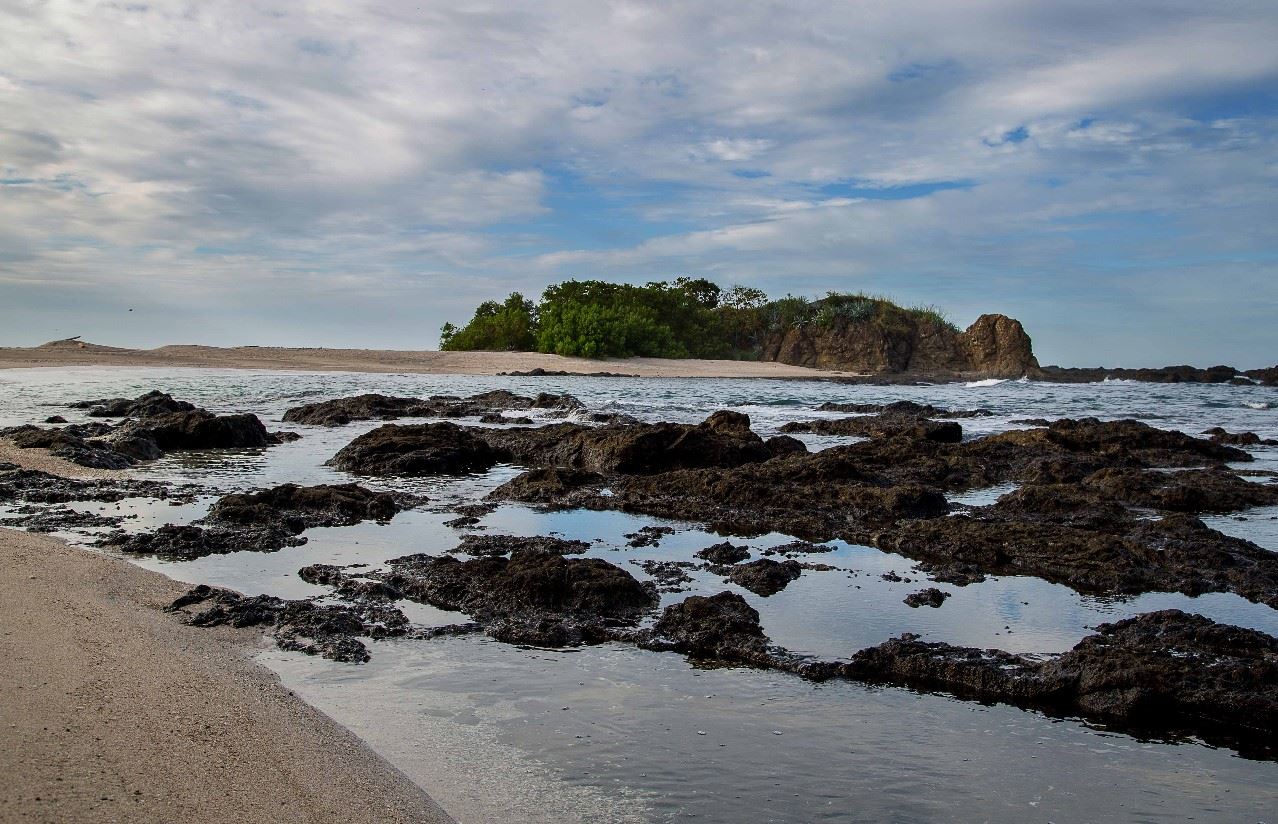
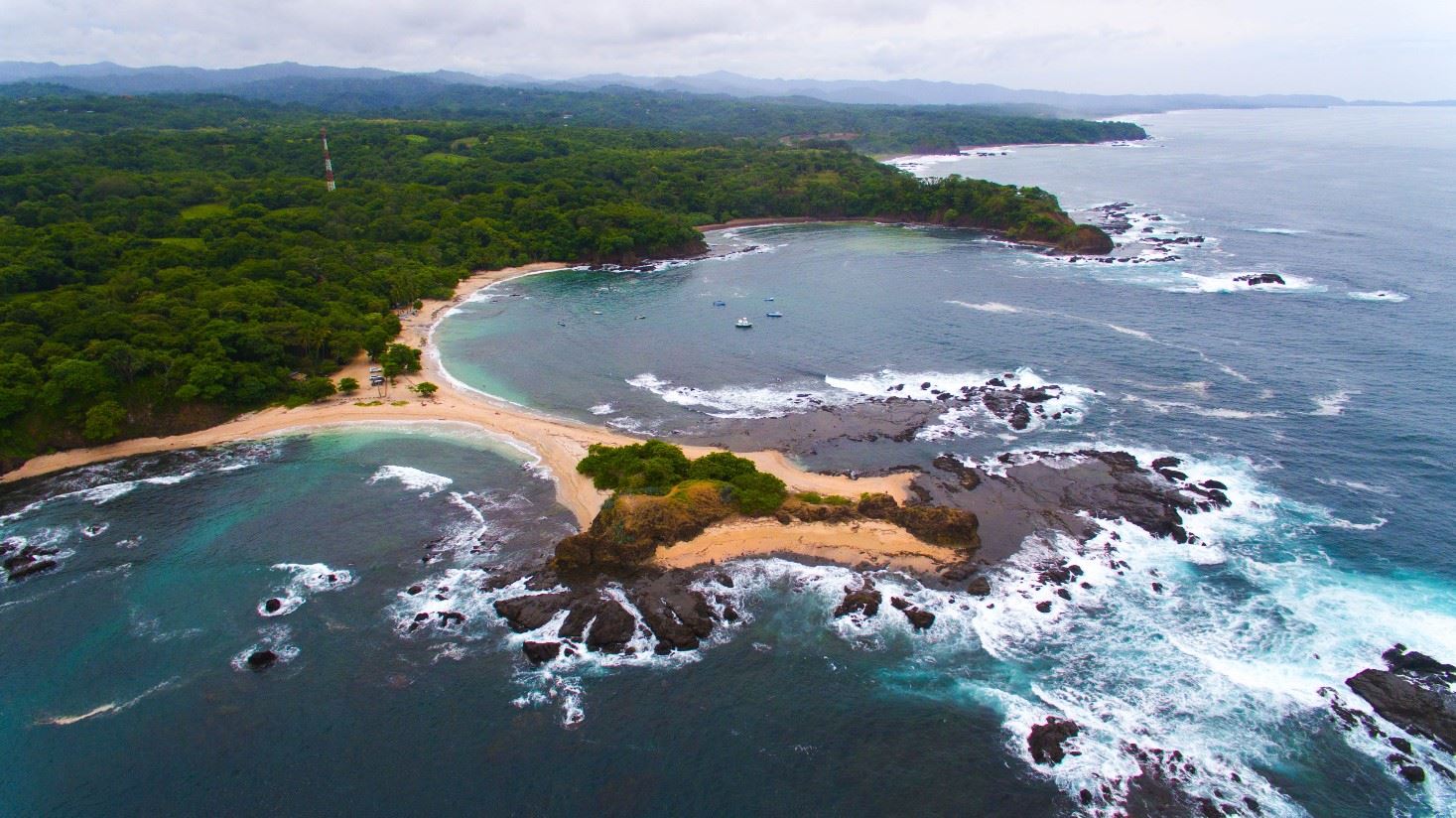
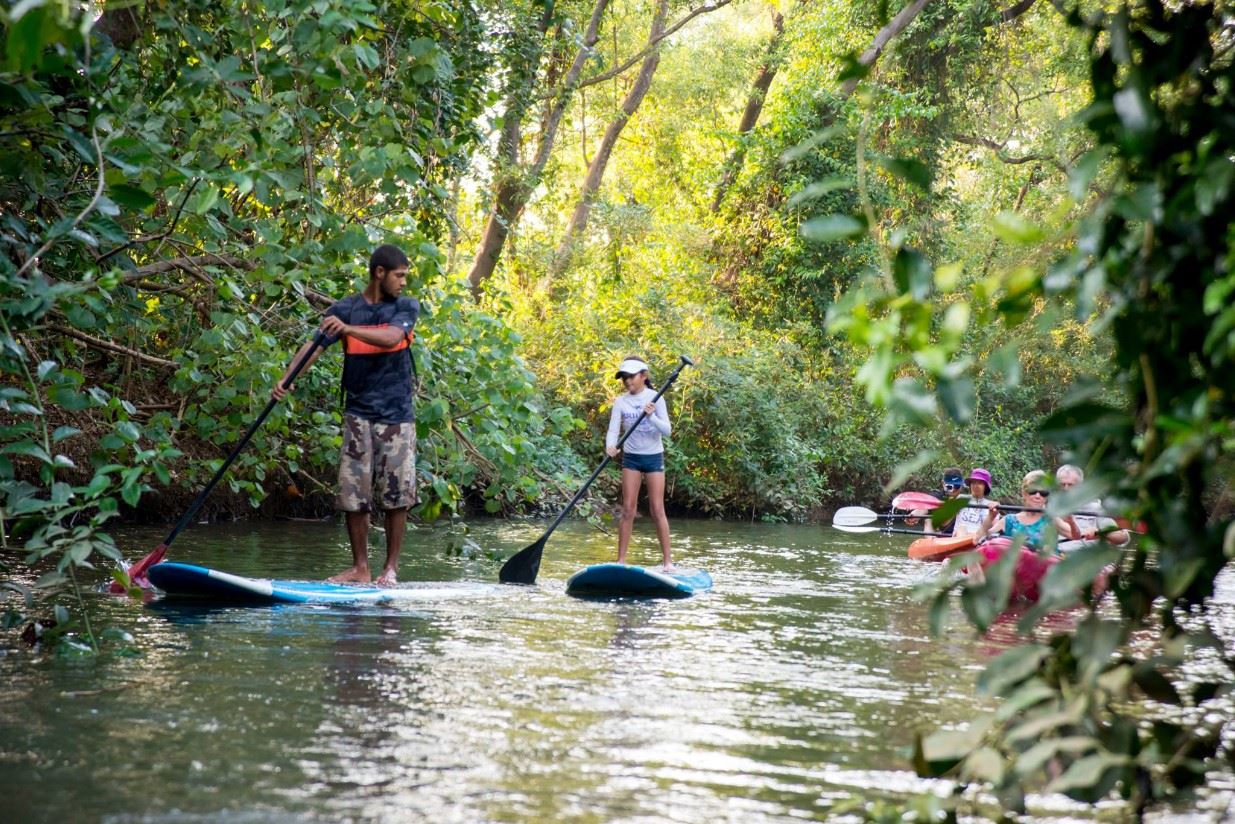
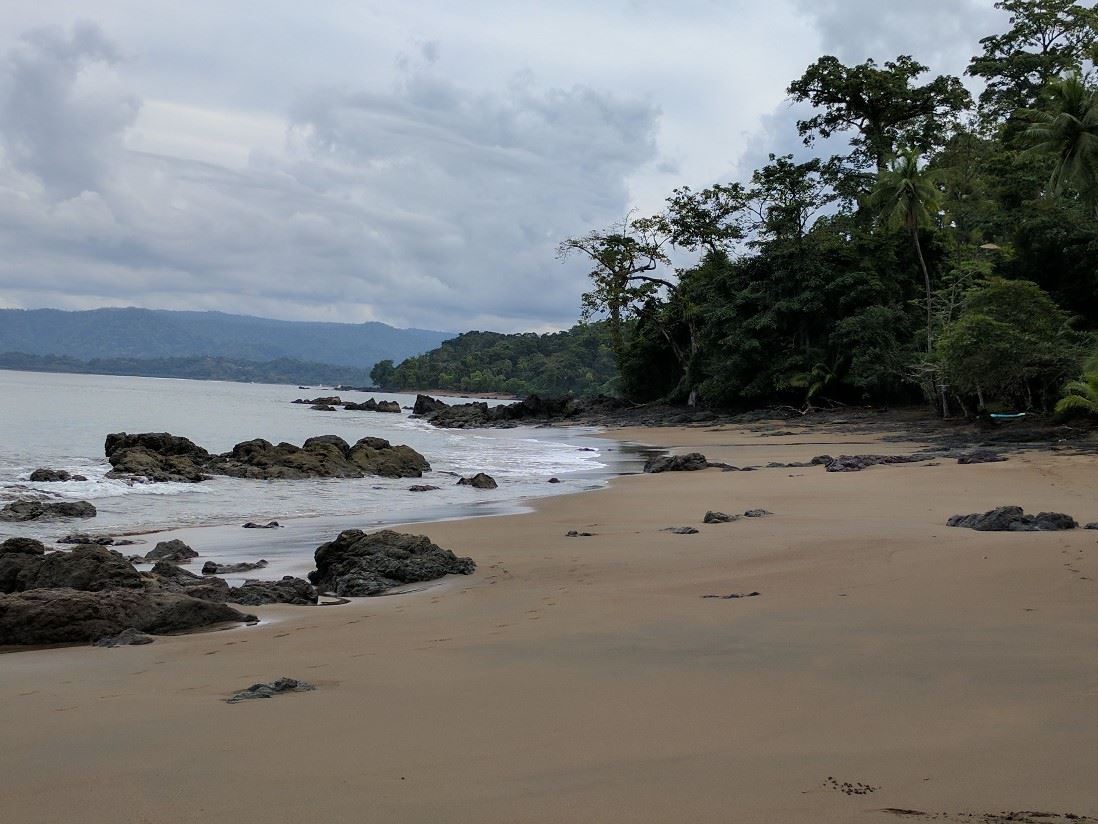
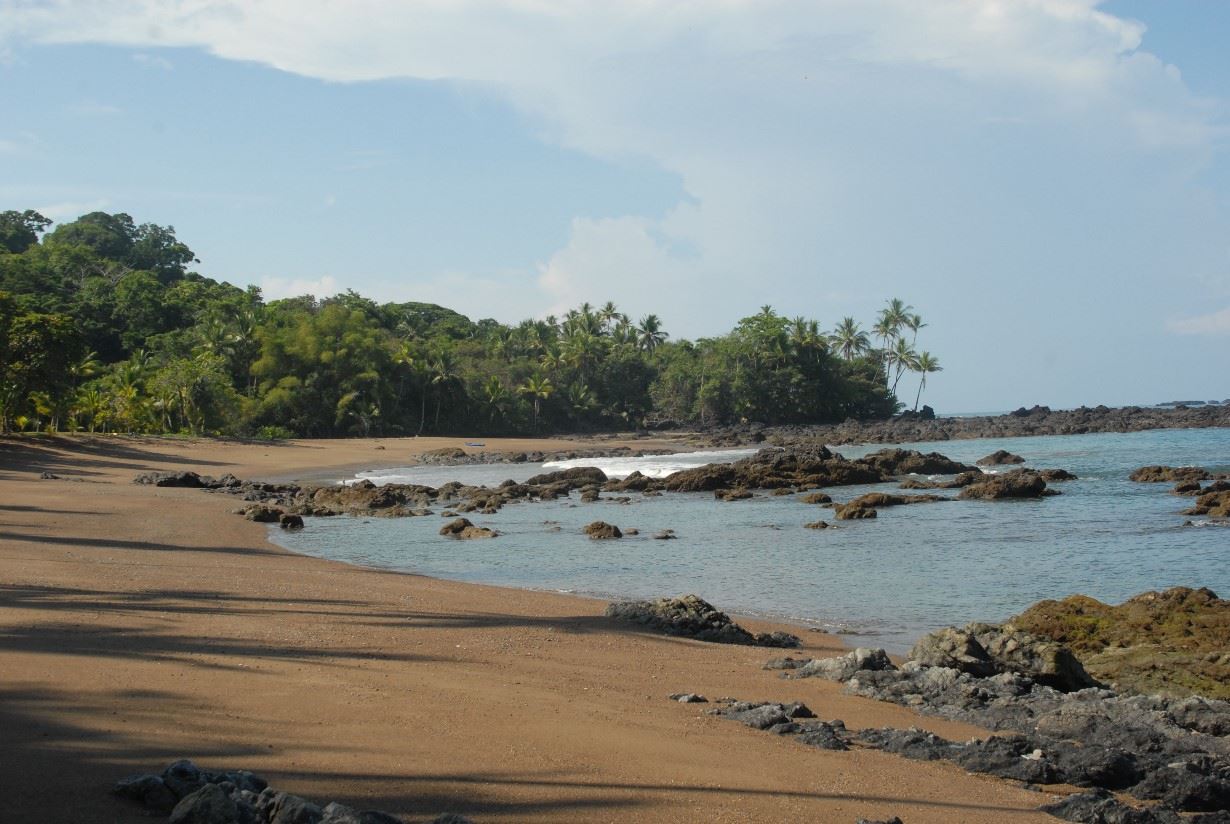
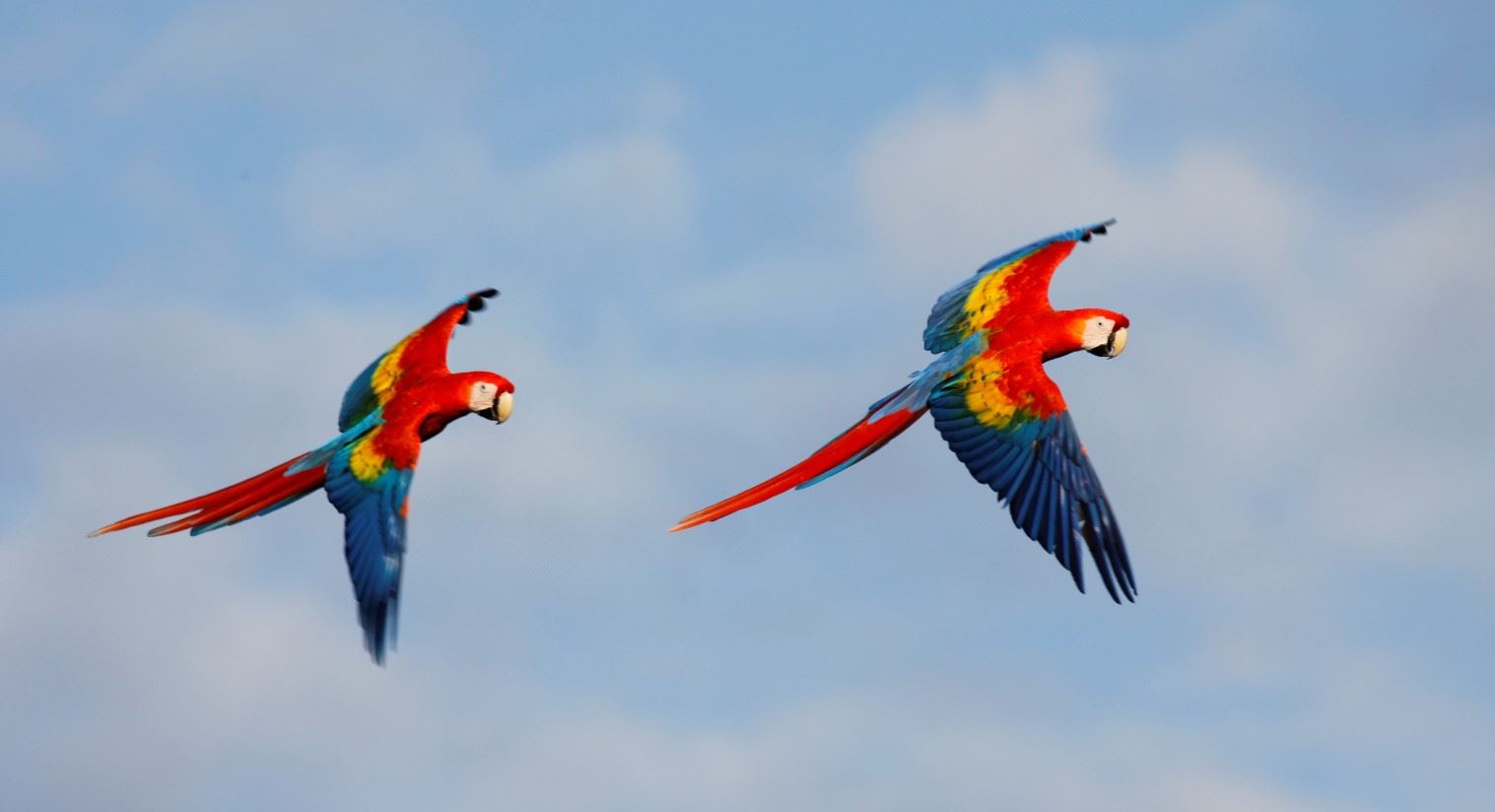
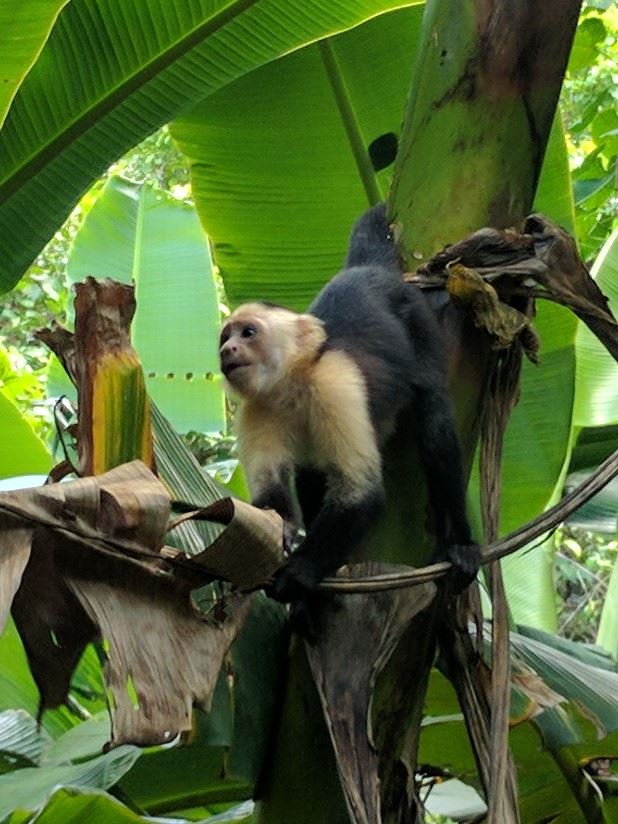
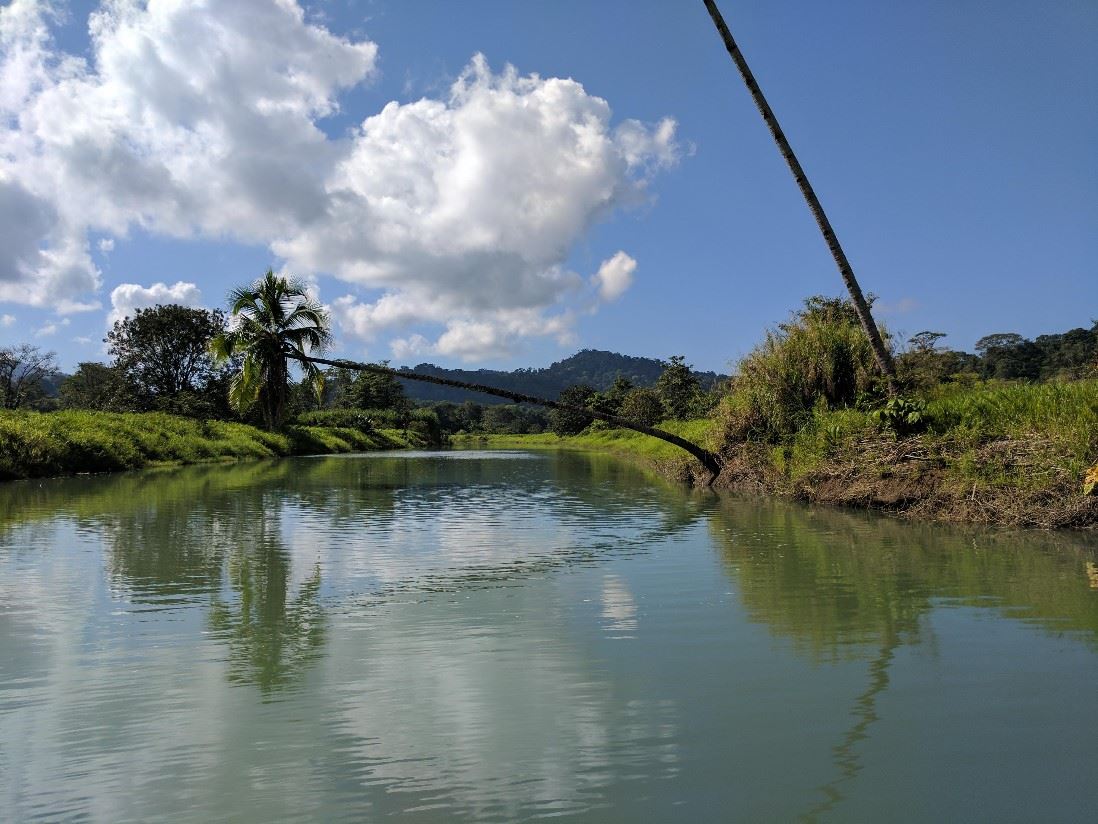
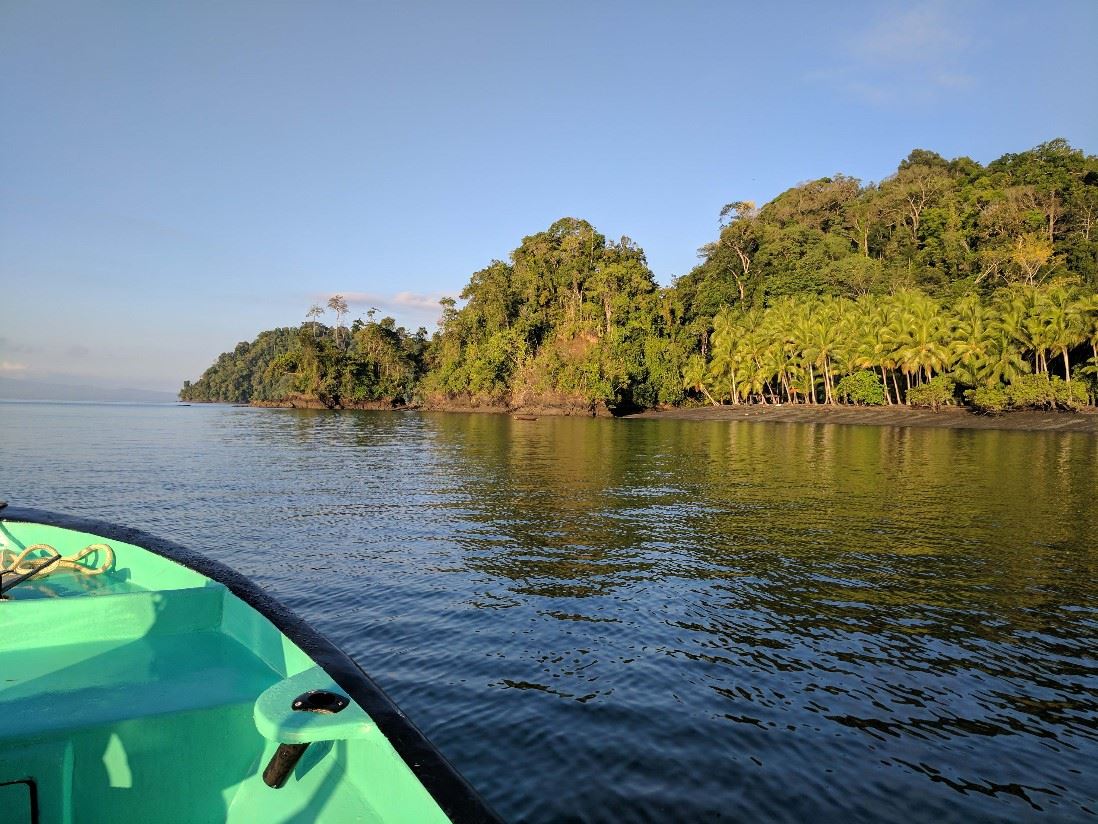
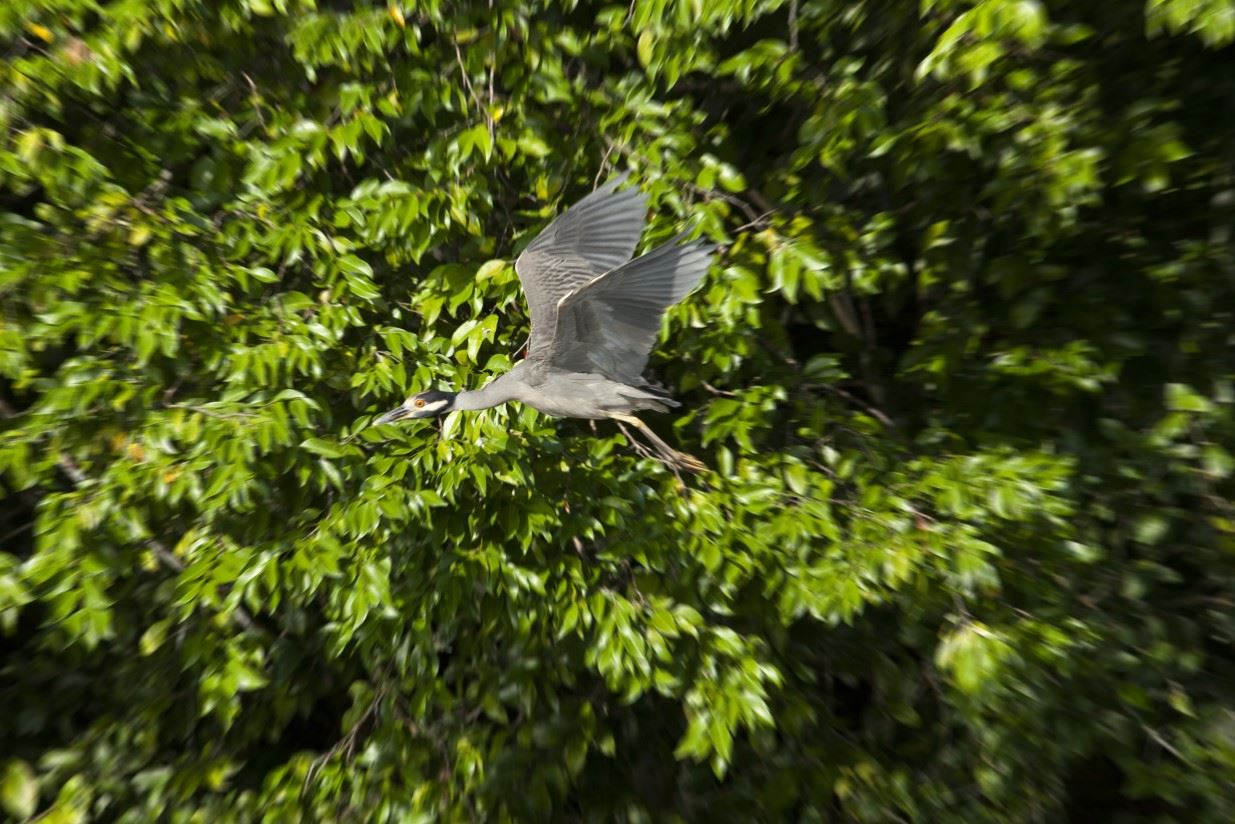
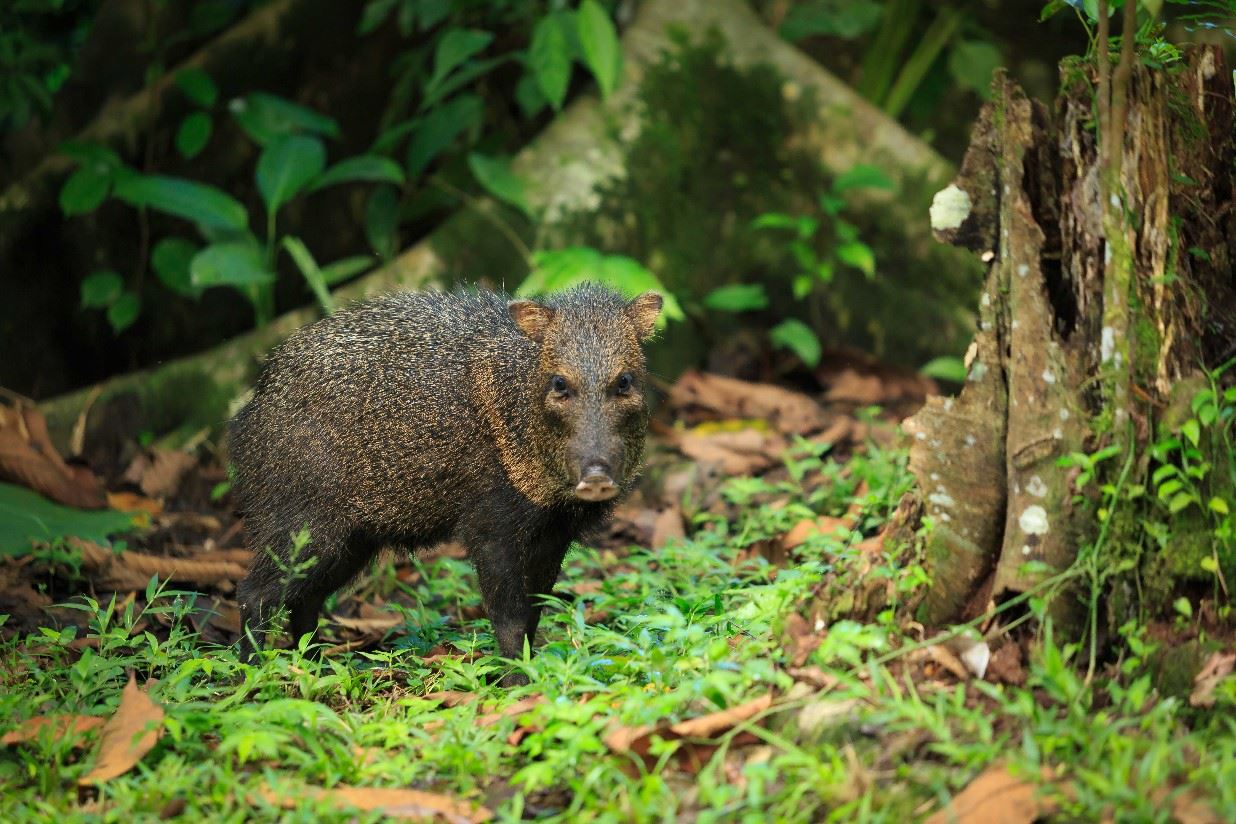
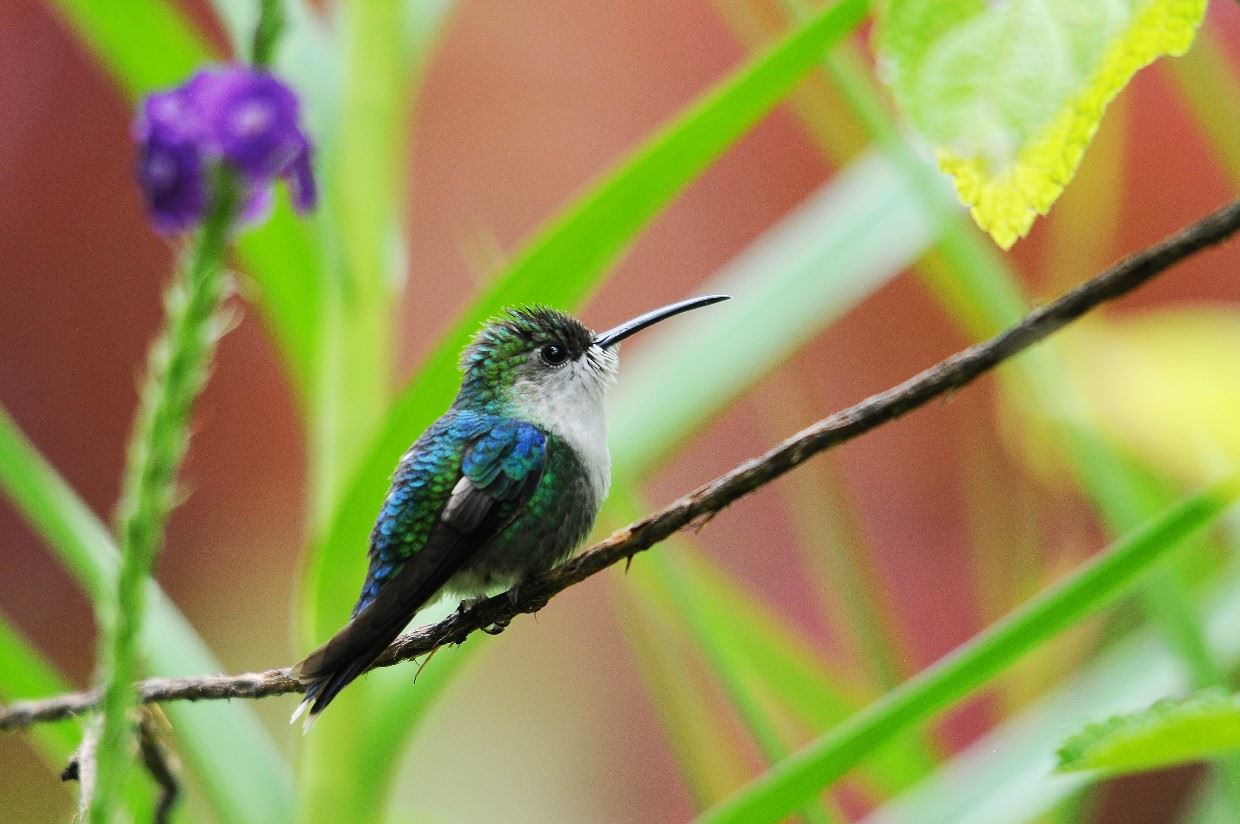
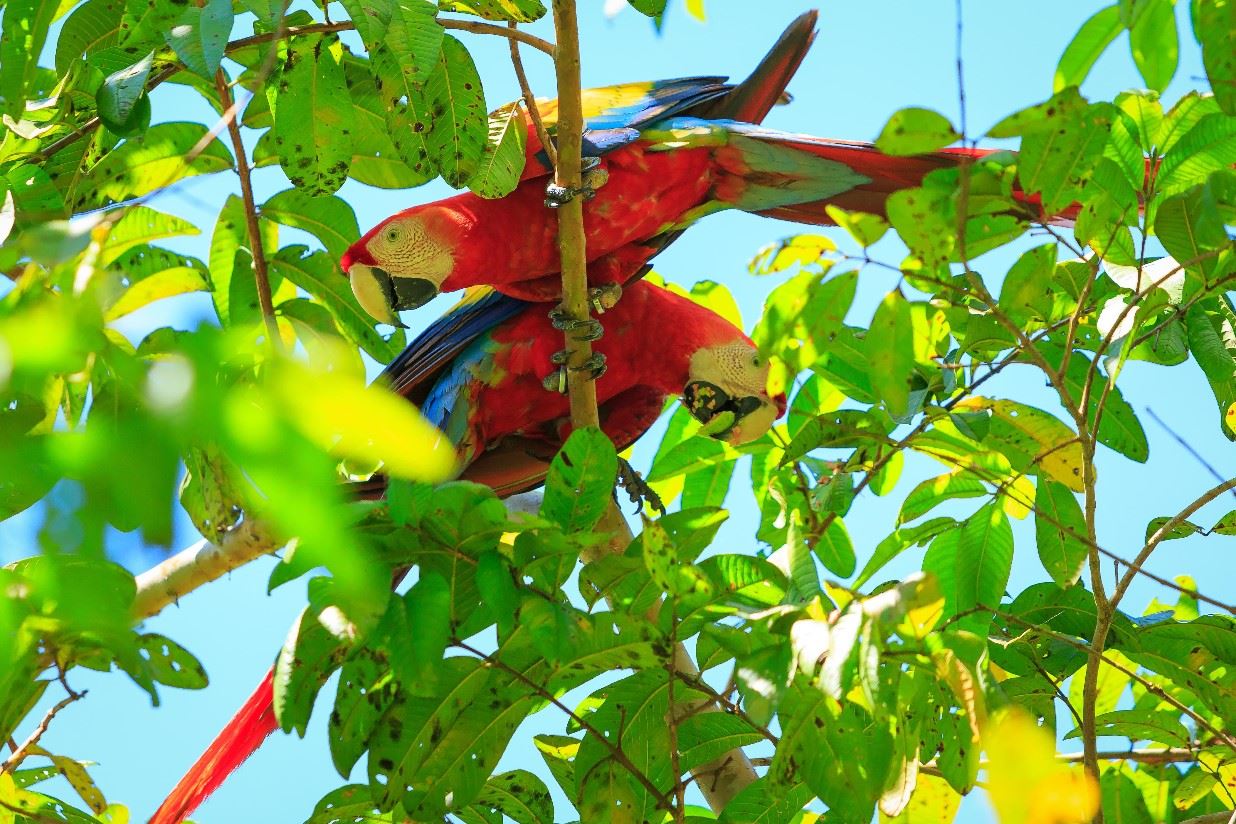
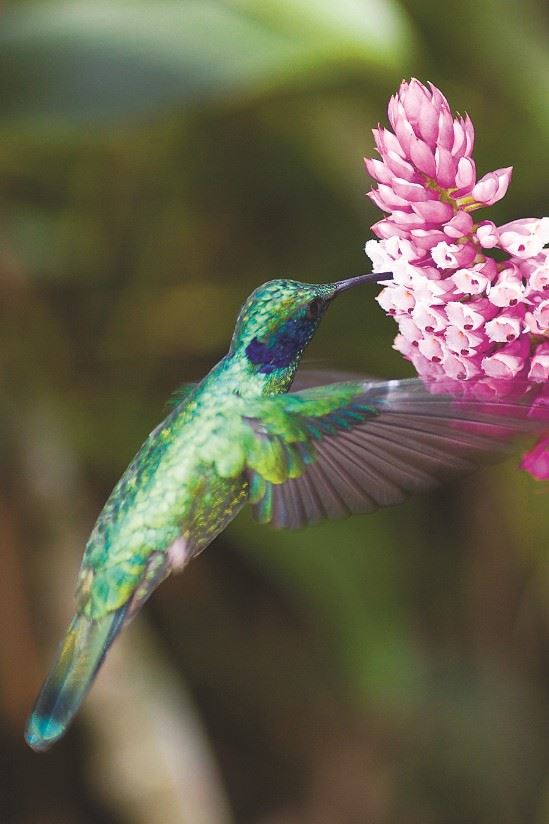
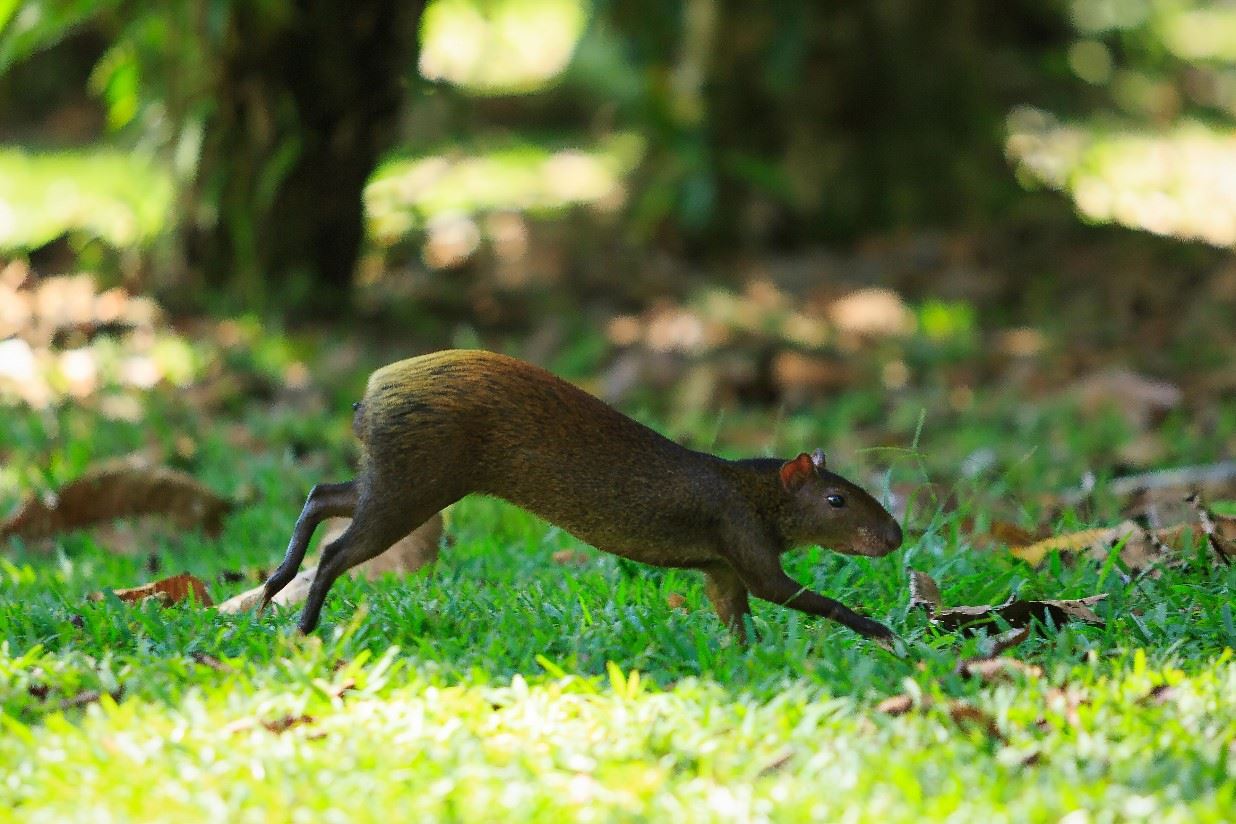
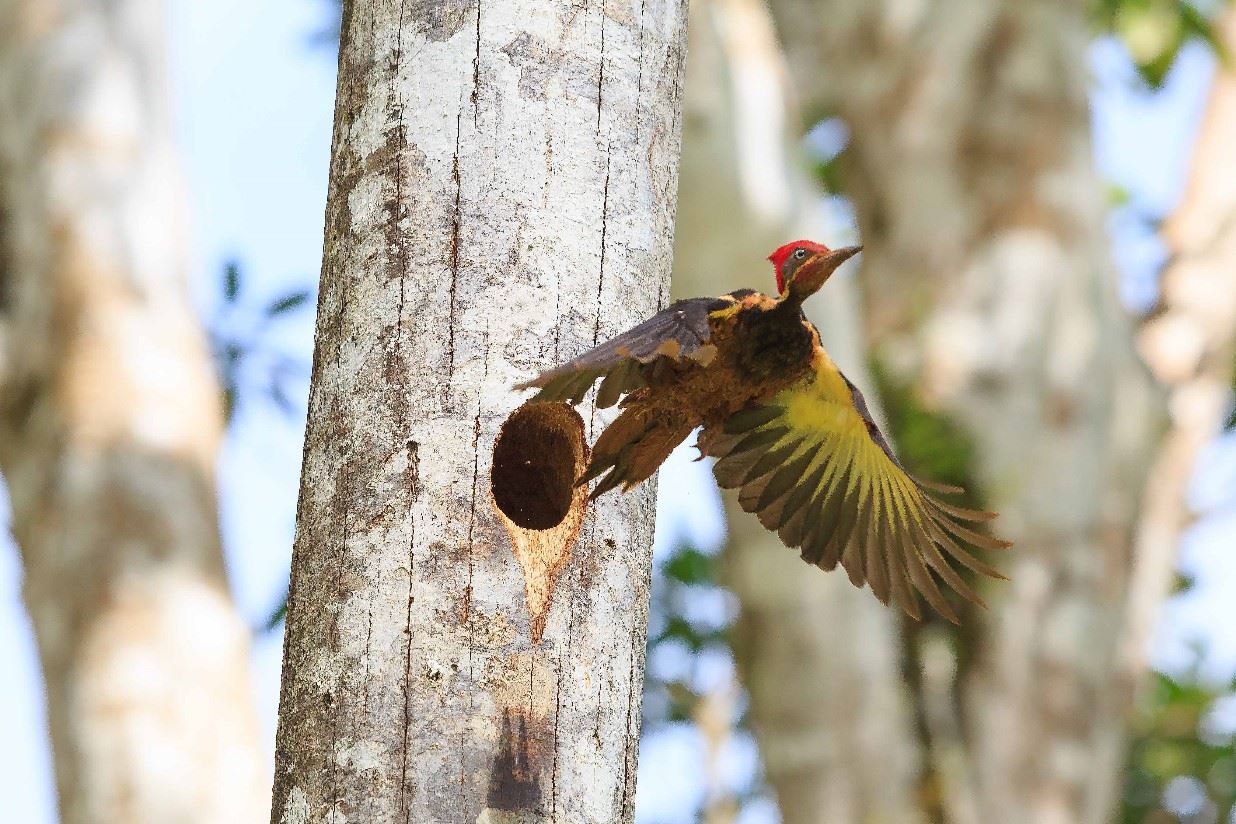
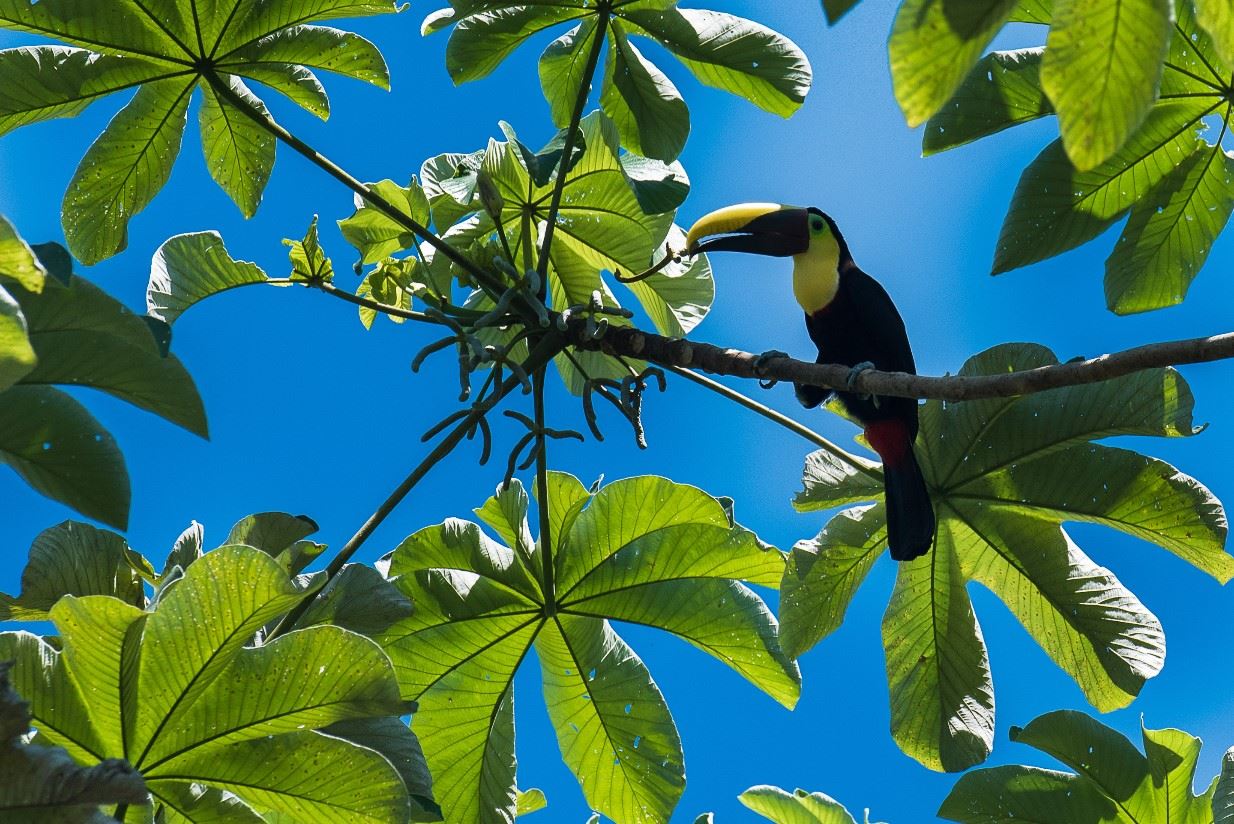
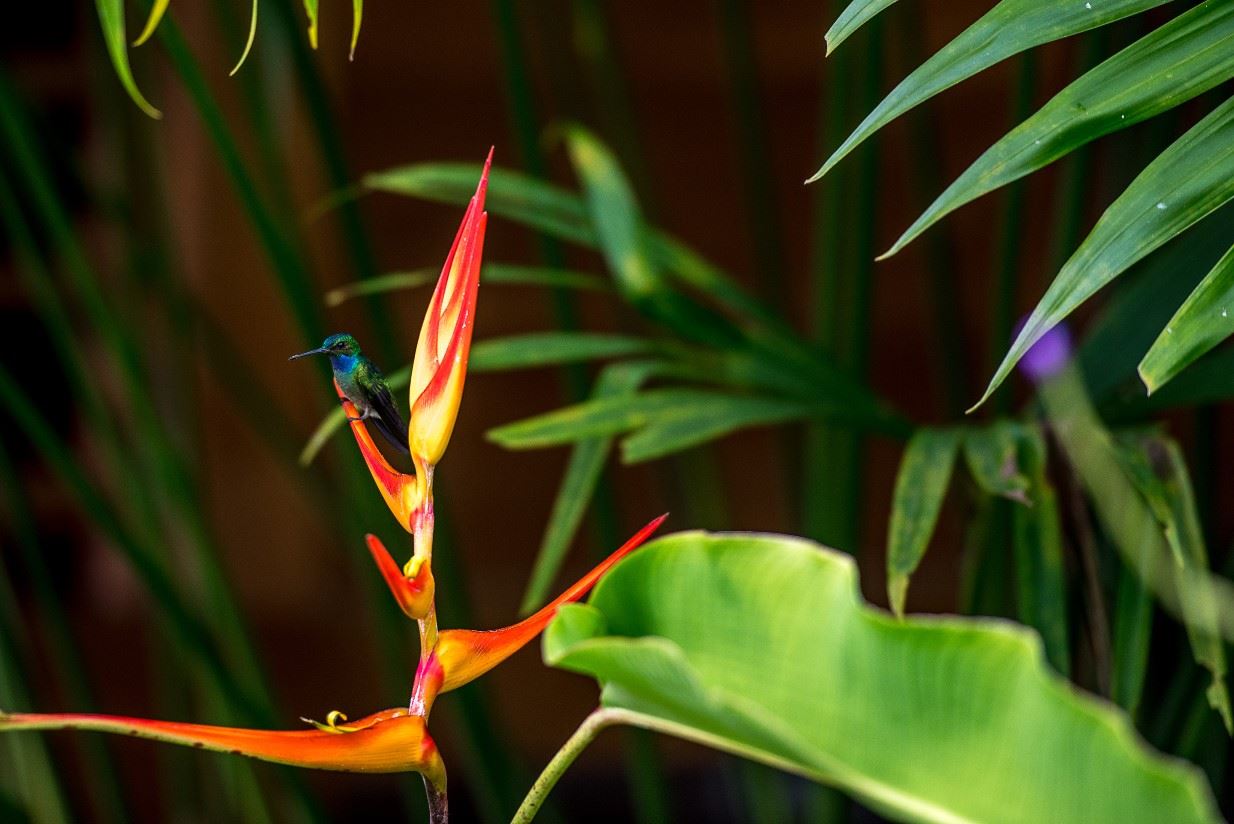
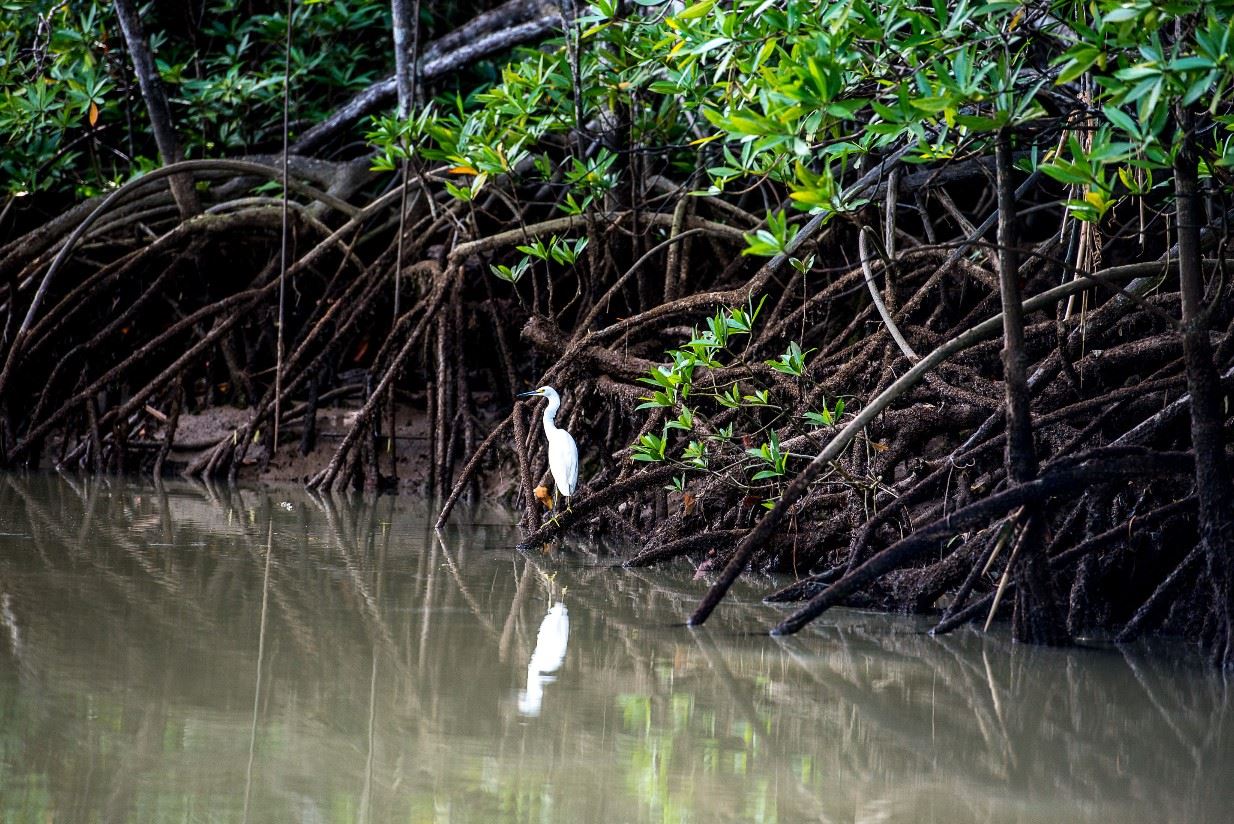
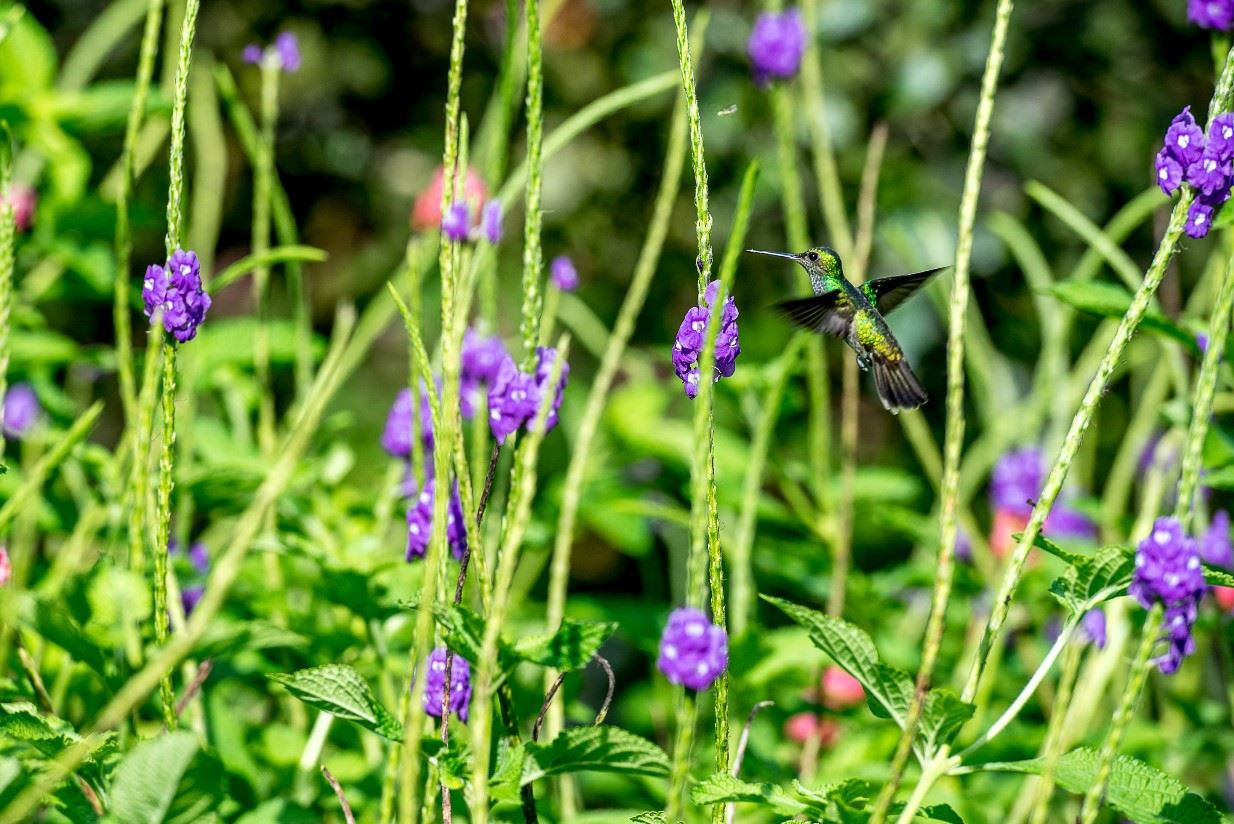
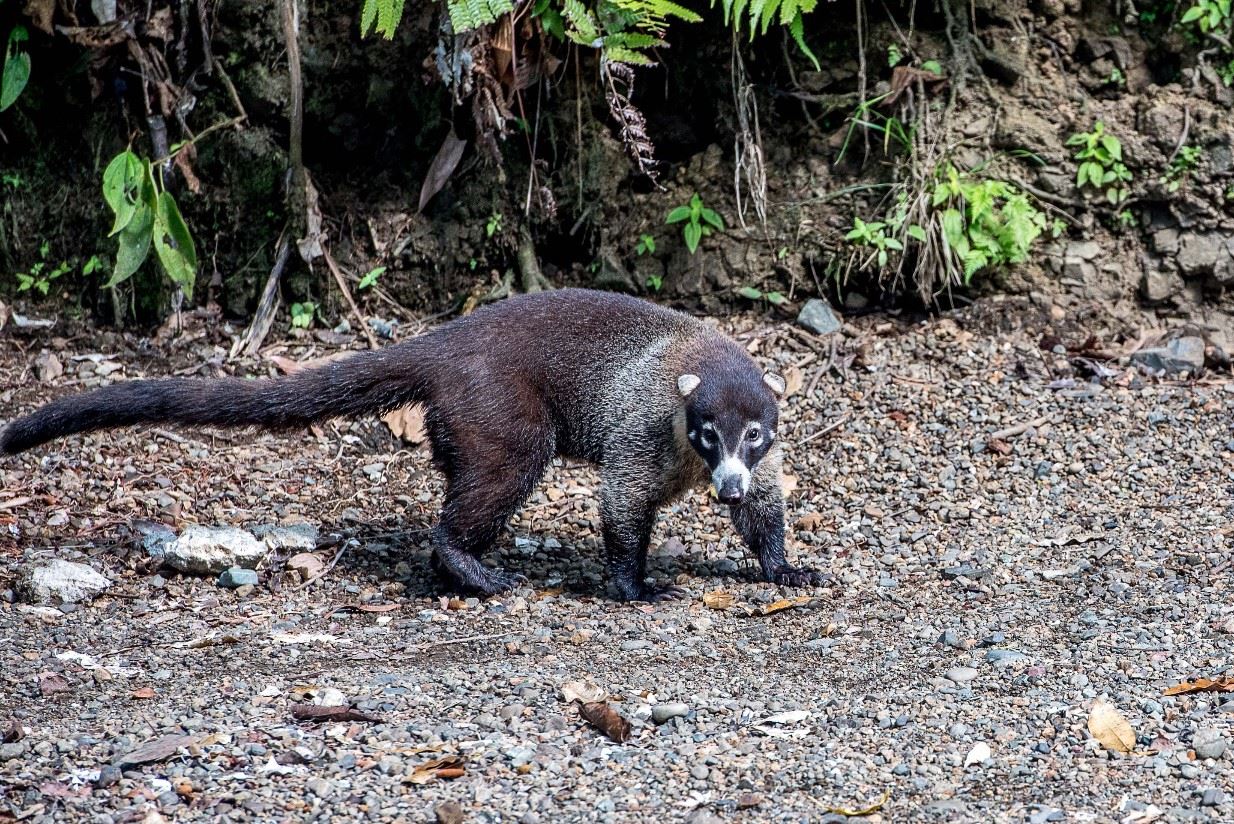
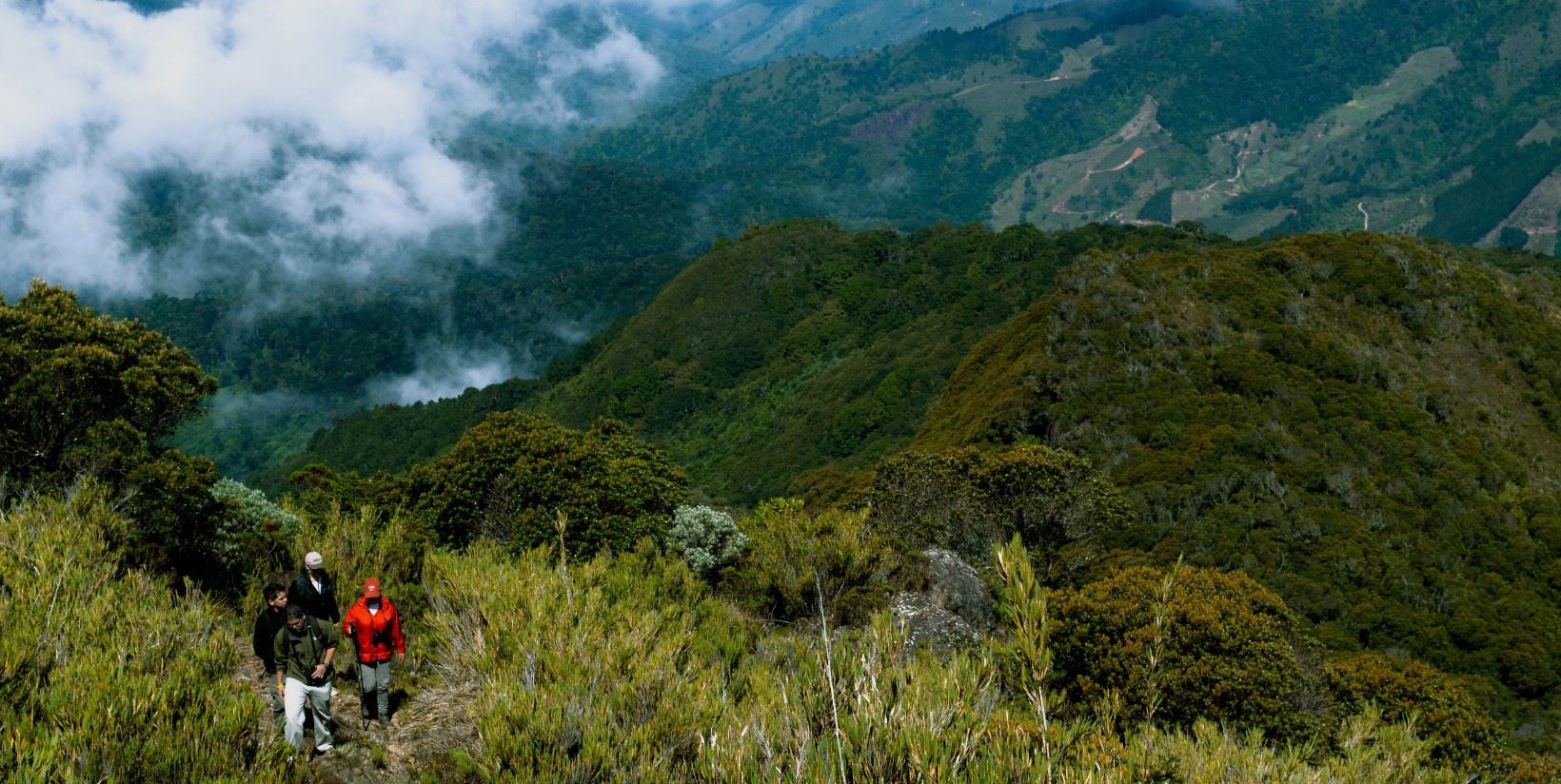
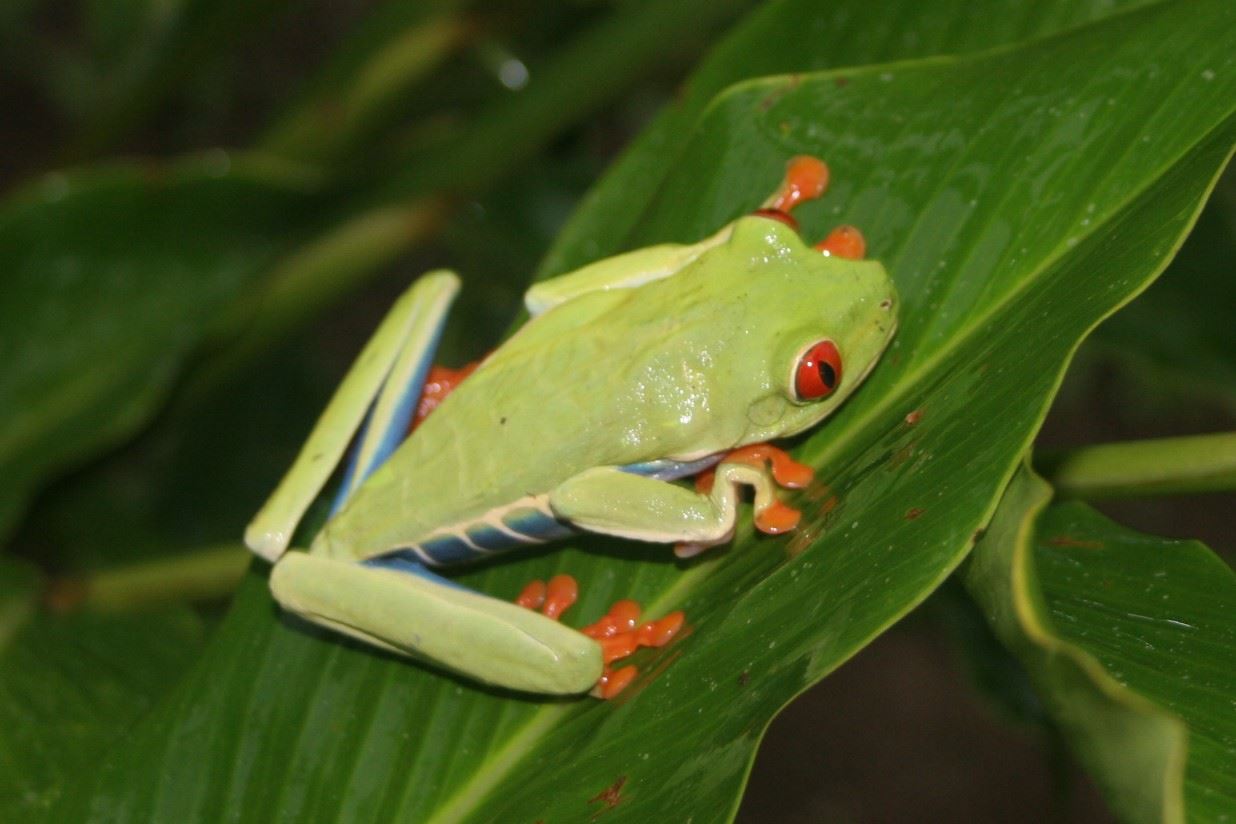
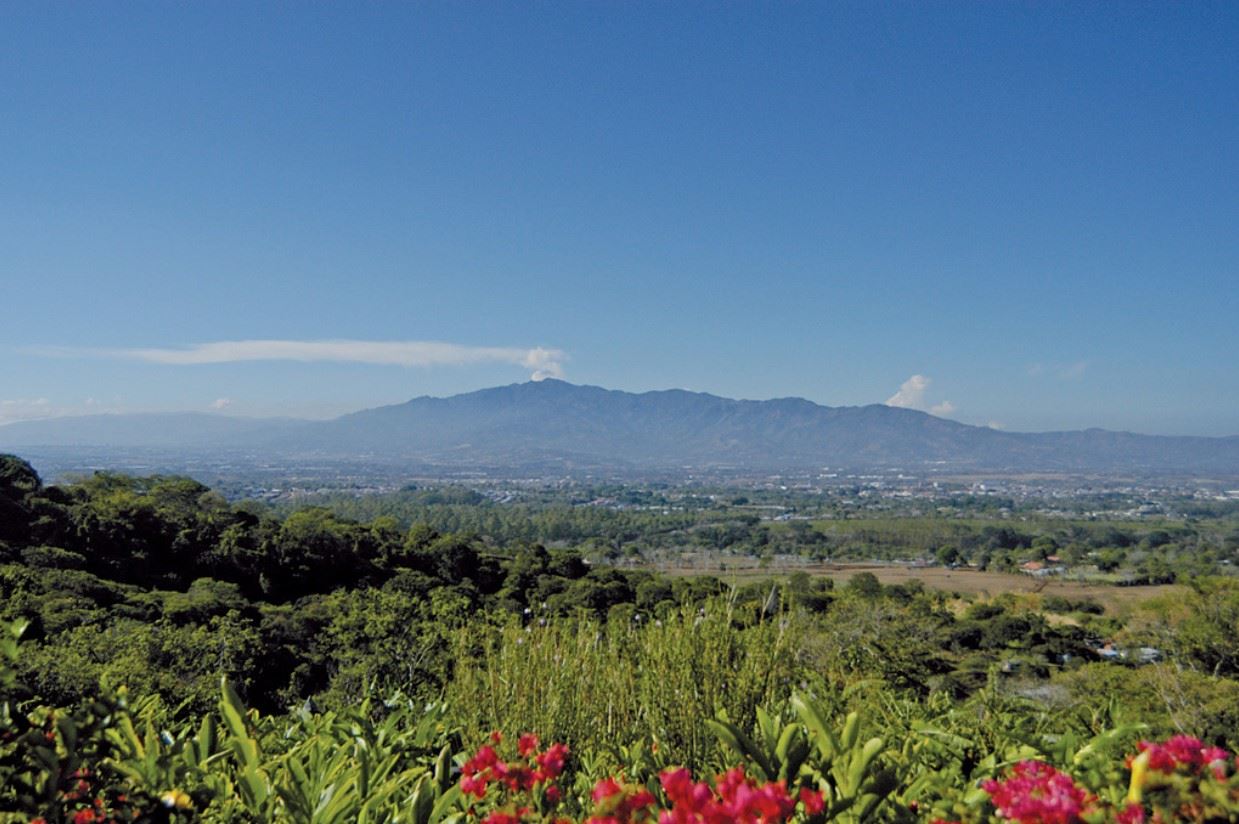
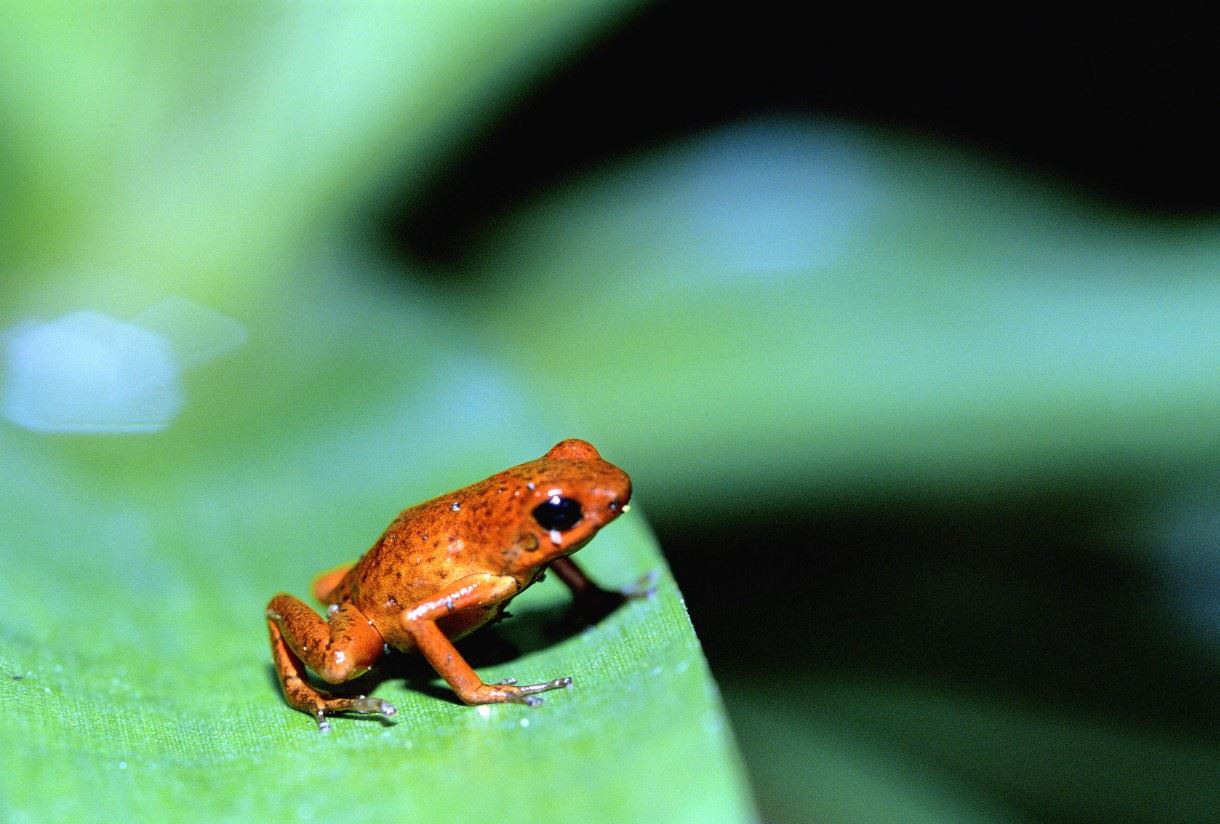
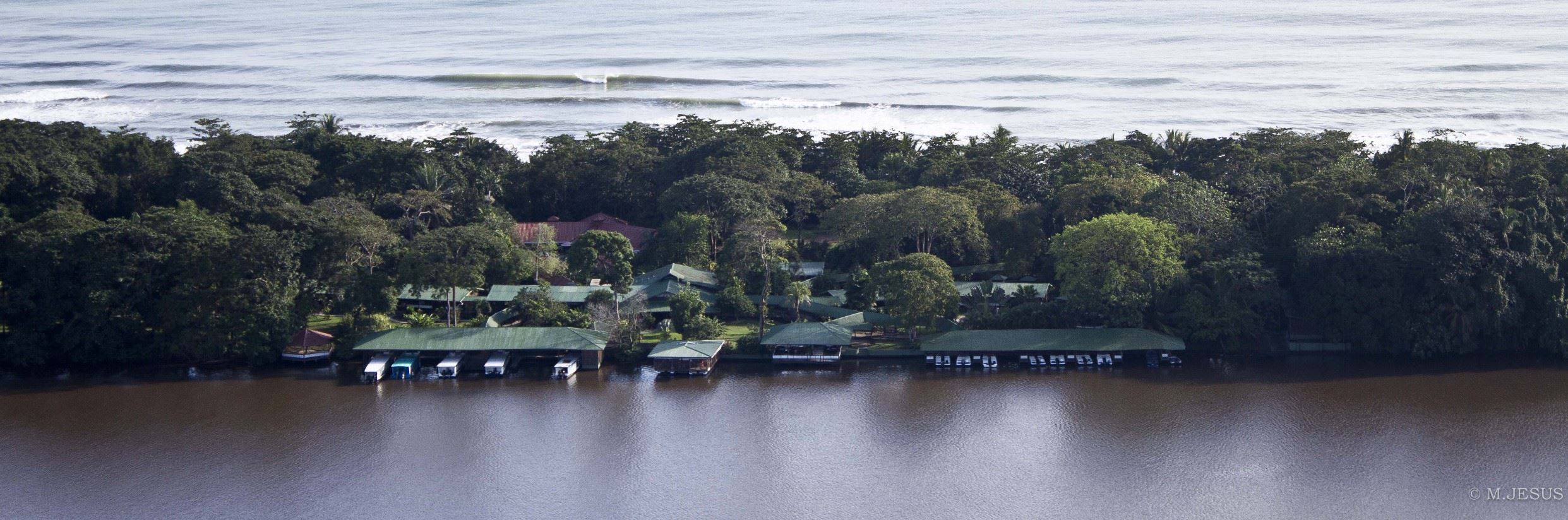
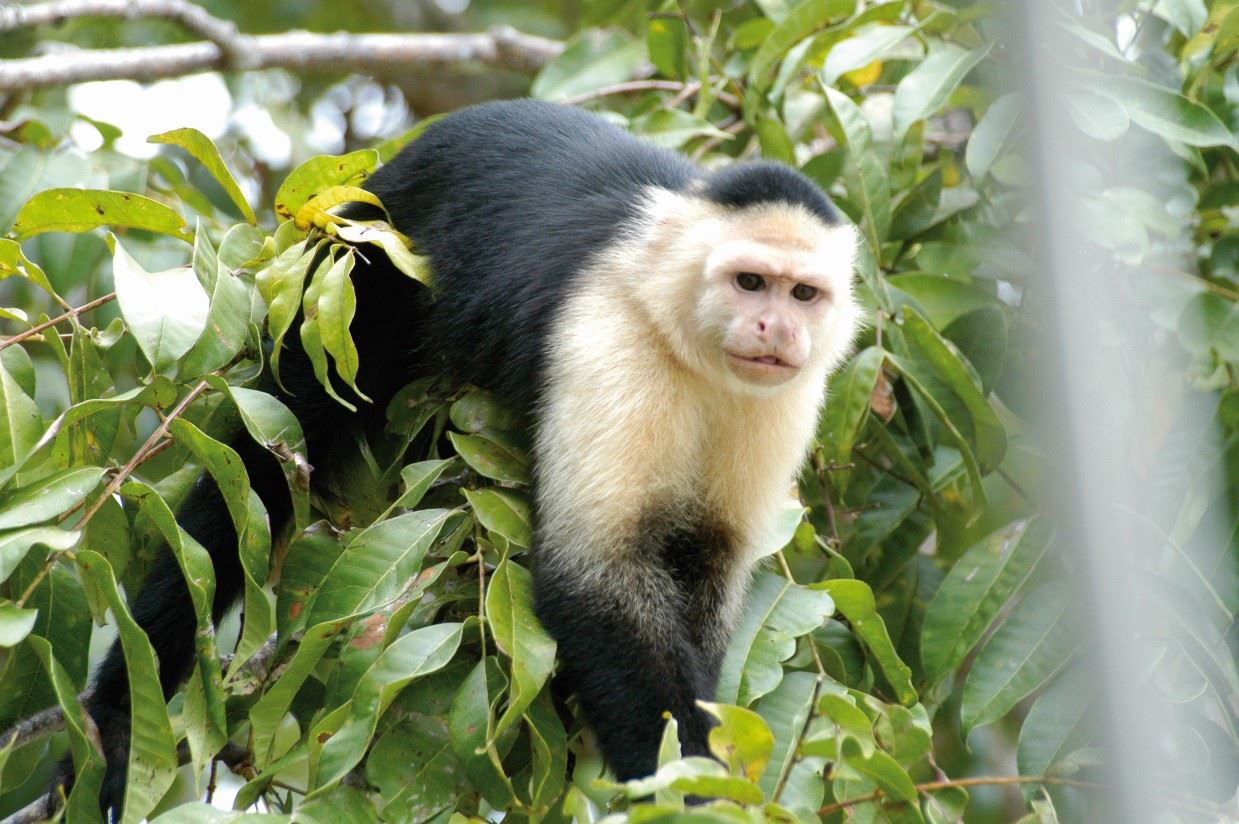
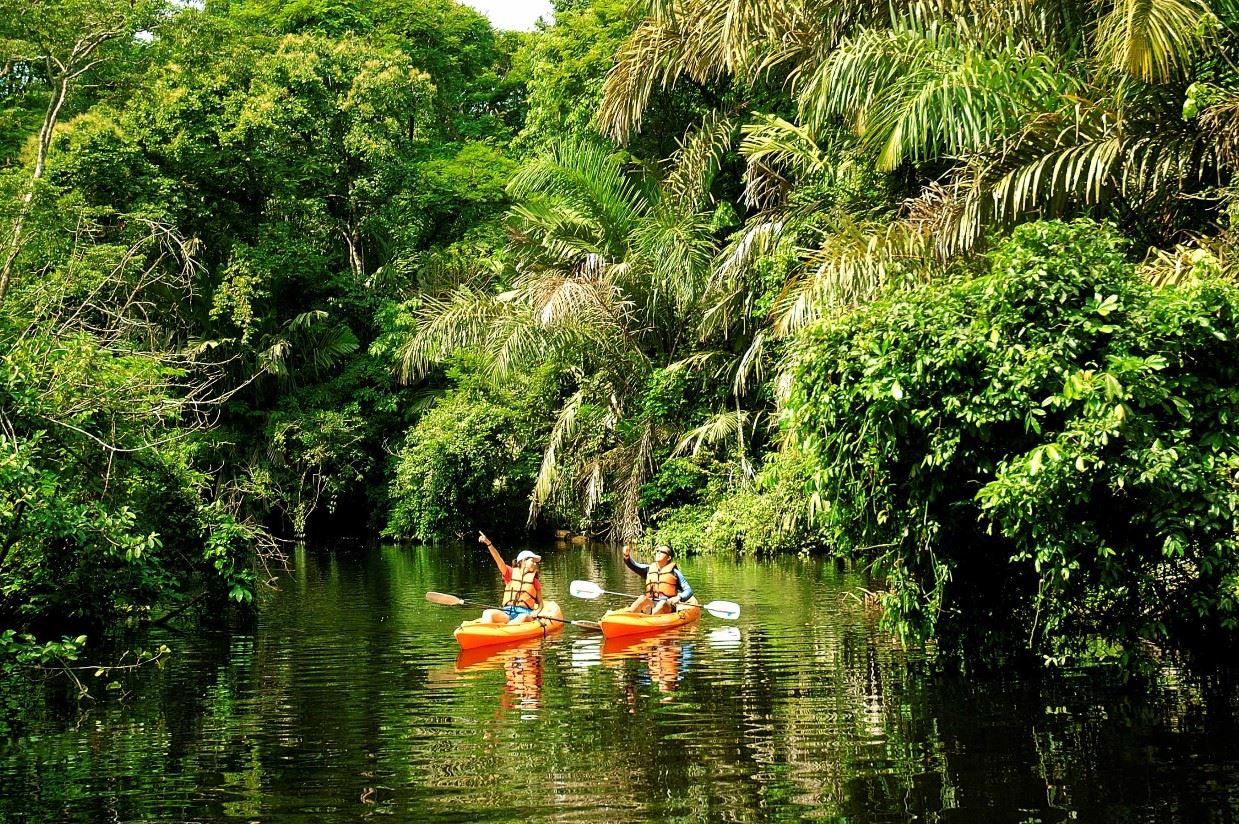
Costa Rica boasts jungles, beaches, cloudforest, volcanoes and exciting activities such as white-water rafting.  Wildlife observation is particularly good in Tortuguero, Tiskita and Corcovado National Park (Osa Peninsula).  There is a good choice of upmarket boutique hotels and remote jungle lodges. The country is ideal for first-time travellers to Latin America and honeymooners. Costa Rica is a small and concentrated country which lends itself perfectly to fly-drive holidays. 


Currency: The unit of currency is the Colon. There are approximately 525.00 Colones to US$1. The annual rate of inflation is in the region of 11.89%. See the Financial Times for up to date information.


Visas & Passports: Travellers with British Passports do not need visas for Costa Rica, but please ensure that your passport has at least 6 months to run. Please also take several photocopies of the main page of your passport with you (also leave a copy with relatives). All children, from new-born babies to the age of 15, must now have their own individual passport. Once they reach their 16th birthday they then become eligible for a standard 10-year passport. If you are a foreign national living in the UK, please ensure that you have all the correct papers before leaving the UK. If your paperwork is not in order, you will be refused entry back into the UK and fined a minimum of £2,000 per person and we cannot be held responsible for the consequences. At the time of going to press British passport holders do not require a visa when transitting in the US (for connecting flights to Central America). UK passport holders are permitted to enter the United States (including when in transit) without a visa under the Visa Waiver programme for 90 days or less from their arrival date. A machine-readable passport will be required in order to travel visa free.  A machine readable passport can generally be identified by the presence of two typeface lines and numbers (with chevrons >>>) printed at the bottom of the page displaying your photo and personal details.  If you are in any doubt as to whether or not your passport is a machine-readable passport, you should check with the UK Passport office.


There is a proposed requirement by the US authorities that passports issued on or after October 26 2006 must be biometric. Your current passport will remain valid until its expiry date.  You will not need to exchange your passport to a biometric passport in the interim.  Machine-readable passports with a digital image will continue to meet the criteria of the Visa Waiver Programme (VWP) and most British Citizens will not require a US visa.  The increasing threat of identity fraud necessitates the strengthening of security features in passports.  The use of biometric information to link a person to a passport can help to counter identify fraud.  The Biometric British passport (also know as e-passport) will have a new design with additional security features, including a chip with the holder’s facial biometric.

For more information please see the Costa Rican Embassy website >


Language: Spanish is the spoken language. Broken English is spoken by many and communication is not a problem. Some knowledge of French, German and Italian can also help.


Food & Drink: Local dishes are tasty and wholesome. There are many Italian, French, Mexican and Peruvian restaurants in the main towns. The food is good and $18 buys a very good meal in local restaurants (not hotels). The staple of rice and black beans (gallo pinto) - forms the backbone of local cuisine. Bocas - snacks such as ceviche (marinated and spiced seafood) and thirst-inducing deep-fried chicharrones (pork rinds) are usually served in bars. Costa Ricans are beer drinkers, and local, lager-style brews (Imperial and Bavaria) are readily available. Wine is not popular, and imported wines, generally found in upmarket restaurants tends to be very expensive. Costa Ricans rise early and go to bed early. Dinner in many places is served only between 6.30pm and 9.00pm.


Vaccinations & Health: You should always check with your doctor/practise nurse as to the latest requirements no later than four weeks before departure. However, the standard Typhoid, Tetanus, Polio and Hepatitis ‘A’ vaccinations are advisable, as well as a course of anti-malaria tablets (jungle areas). Reduce mosquito bites by the use of a safe skin repellent. We also recommend regular use of a waterproof sun block to protect your skin against the strong tropical sun. The heat and humidity of the tropics make you sweat profusely and can also make you feel lethargic - to avoid cramps and heat exhaustion it is important to maintain a high fluid intake and ensure that your food is well salted. Please ensure that you use bottled water (check seal not broken) rather than using tap water.


Driving: The roads are generally asphalted, with many potholes and with relatively few miles of motorway. In remoter areas like Rincon De La Vieja and Monteverde roads are unmade and bumpy. Going is slow and lorries plentiful. Driving (on the right) is very much part of the holiday, as the landscape is striking and varied. There is relatively little traffic once outside San Jose.


Hotel Gradings: There is no official class or star structure for accommodation. Our accommodation is generally of three to four star European standard, but some lodges, being in the middle of the jungle are very simple. All rooms have private facilities, but in the simpler lodges, the wash basins (not the showers) are with cold water only. Almost all hotels and lodges, however primitive, are equipped with large ceiling fans. Breakfasts are generally buffet style, with cheese, hams and exotic fruits. All hotels make abundant use of the beautiful and rare woods available in Costa Rica for their furnishings.


Weather / When to Go: Costa Rica lies at a latitude of between 8 and 12 degrees north of the Equator, which makes for little year round temperature change (rain or no rain) and a consistent day length. The sun rises at about 5.00am and sets by 6.30pm. It is the altitude and location changes which determine the temperature. The highlands are generally between 50F and 55F, while the central plateau, where San Jose the capital is situated at around 3,800feet, is around 65F. The Pacific and Atlantic (Caribbean) coastal regions are warmer at 80F plus and, at the end of the dry season, March and April (especially on the Pacific side) closer to 90F. The rainy season, or “Green” season as it is called locally, (though it is hard to imagine that it can get any greener), lasts from May to November. The climate during these months is predictable, with sunny weather in the morning and short-lived tropical downpours in the afternoon. During these months there are fewer people, prices are lower and you will see Costa Rica at its most refreshed and beautiful. The Caribbean coast and Osa Peninsula, with its tropical rainforests, is much wetter, with 150 to 300 inches of rain per annum depending on the location, while the central valley averages 100 inches. The majority of the hotels are open all year.


Time: Costa Rica is either 6 or 7 hours behind Greenwich Mean Time (GMT) depending on the time of year.


Recommended Reading: Costa Rica travel guides published by Lonely Planet, Footprint, Rough Guide and The National Geographic all provide a useful insight into the country. Costa Rica: The Ecotravellers’ Wildlife Guide by Les Beletsky is a good wildlife guide if you want just one book for everything. A Guide to the Birds of Costa Rica, by Stiles and Skutch is an excellent book for birding.

Our Holidays in Costa Rica
Post-it corner