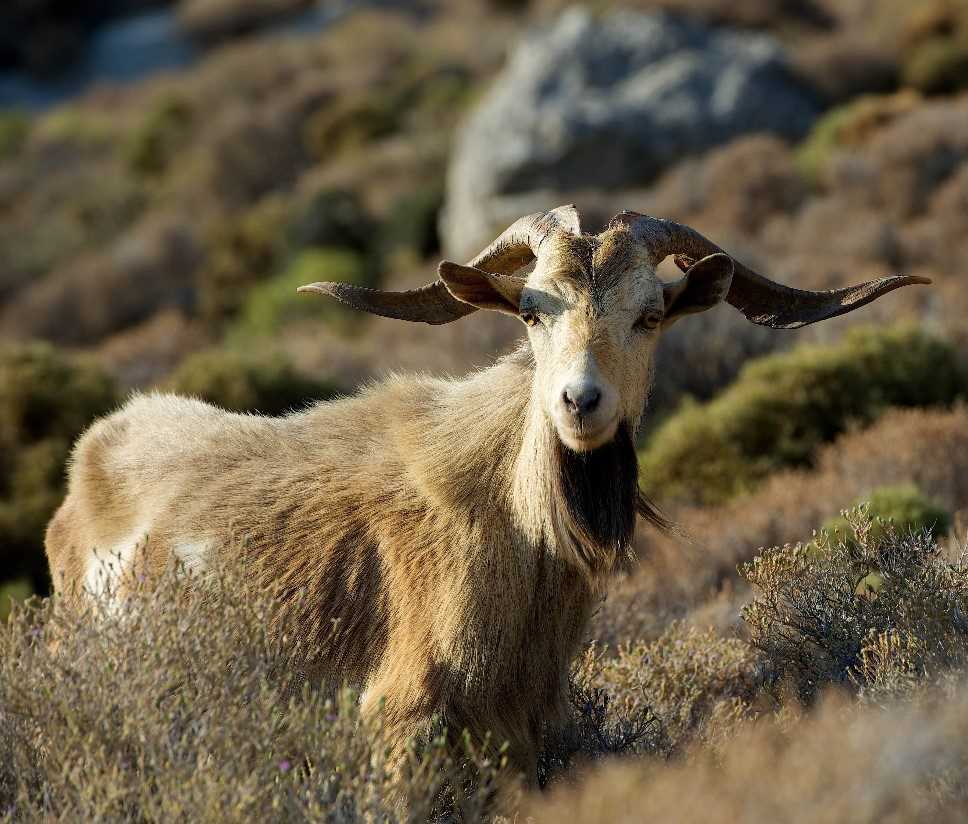
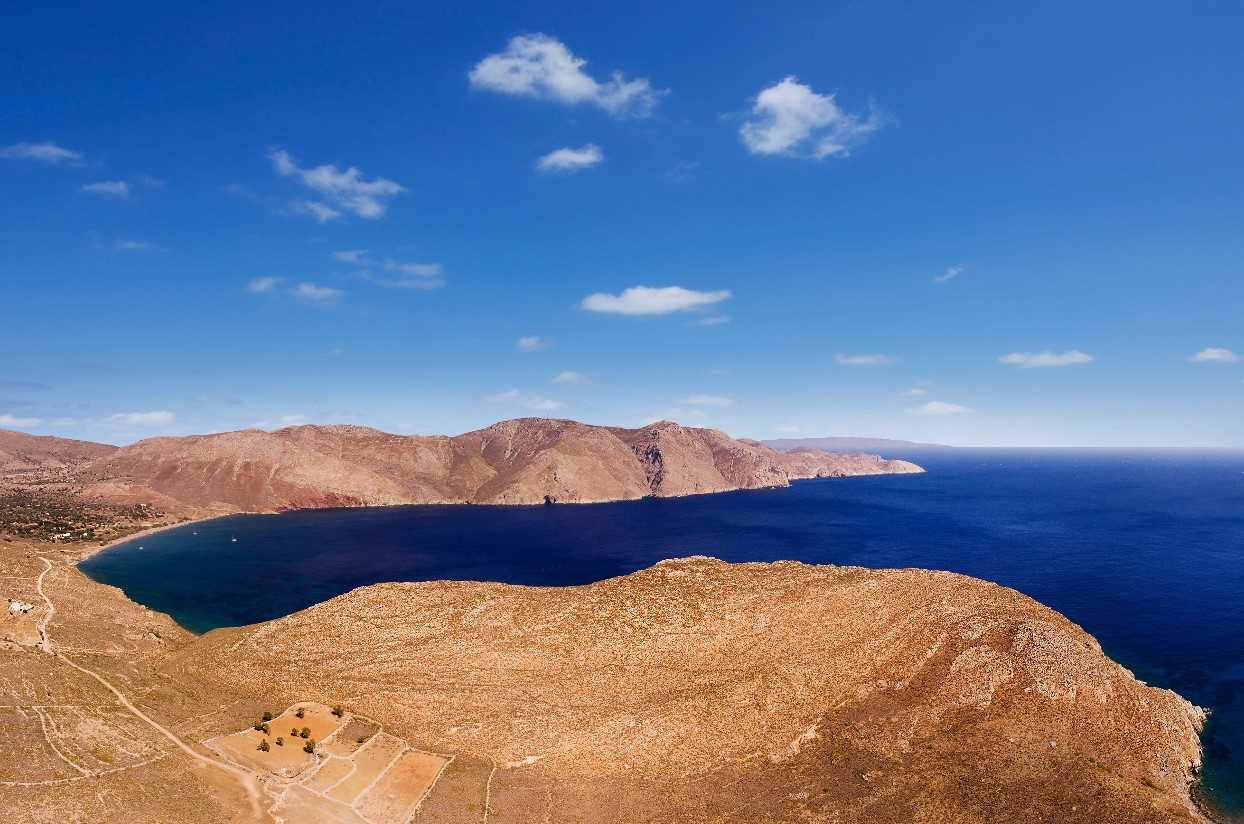
The island’s 64 sq kms, together with its surrounding archipelago of 16 uninhabited islets, have been designated an Important Bird Area, an EU-registered Special Protection Area and a Natura 2000 site amongst others. What this all means is that visitors here will find a protected natural environment with a wonderful diversity of flora and fauna, especially birds (there are 155 documented wild species, including the rare Eleonora’s Falcon).
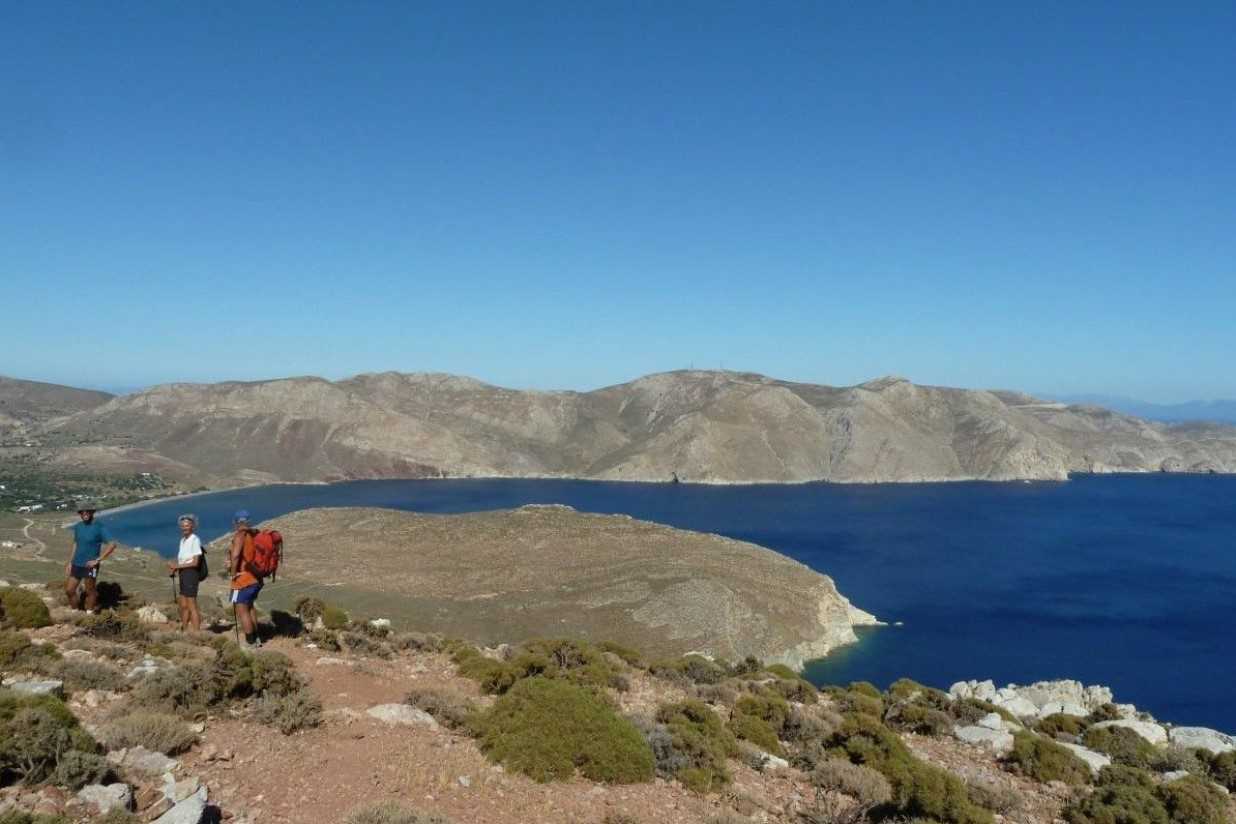
Tilos is therefore a paradise for walkers and now boasts 67kms of signed walking trails (many being restored cobbled mule paths) which run through untamed countryside, linking rugged mountains with fertile valleys of wild flowers, pine, oak and almond watered by the island’s many underground springs. From the heights, the views to six neighbouring islands and Turkey are stunning. A comprehensive walking guide is available to buy locally - 'Exploring Tilos' costs 20 euros and documents 55 walks together with maps and notes on the landscape, flora and fauana.
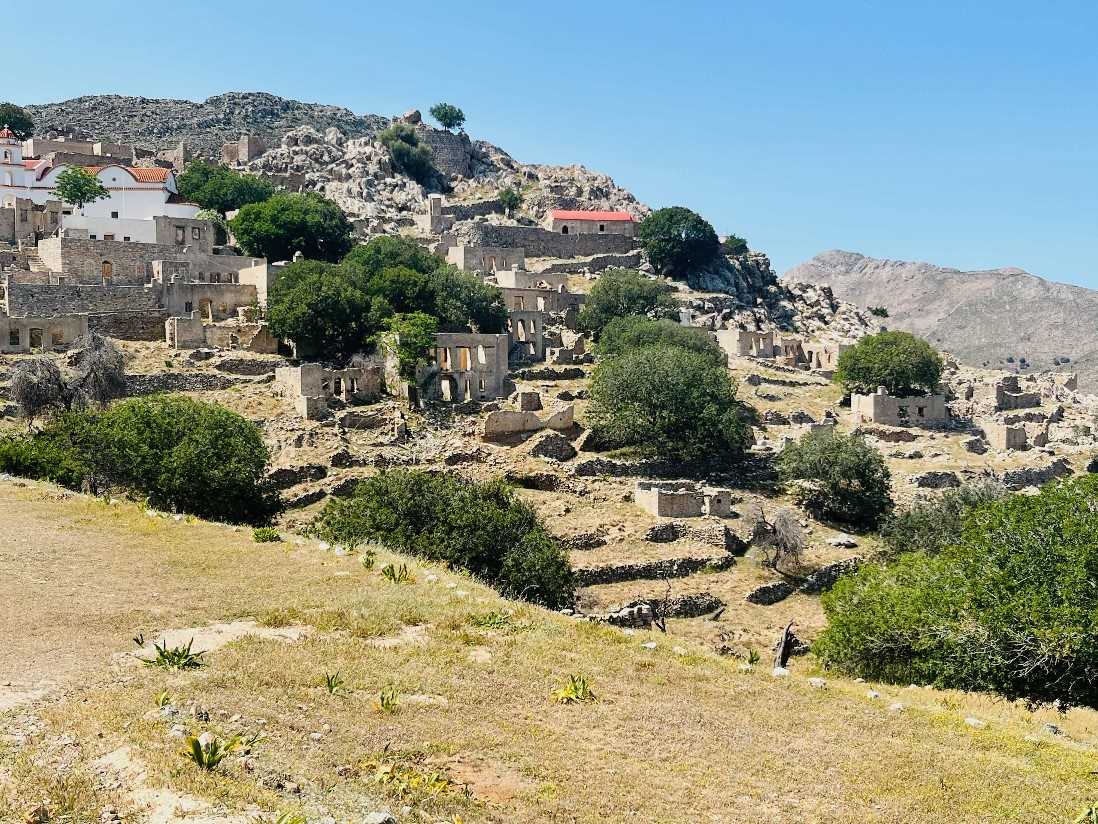
And there are certainly things to explore whilst out and about – some 200 Byzantine country chapels, seven Crusader castles, abandoned villages, a Byzantine monastery, and one of the most important archaeological finds in recent history – a cave full of dwarf elephants, the last of their kind to survive in Europe. The small museum here is a must-visit.
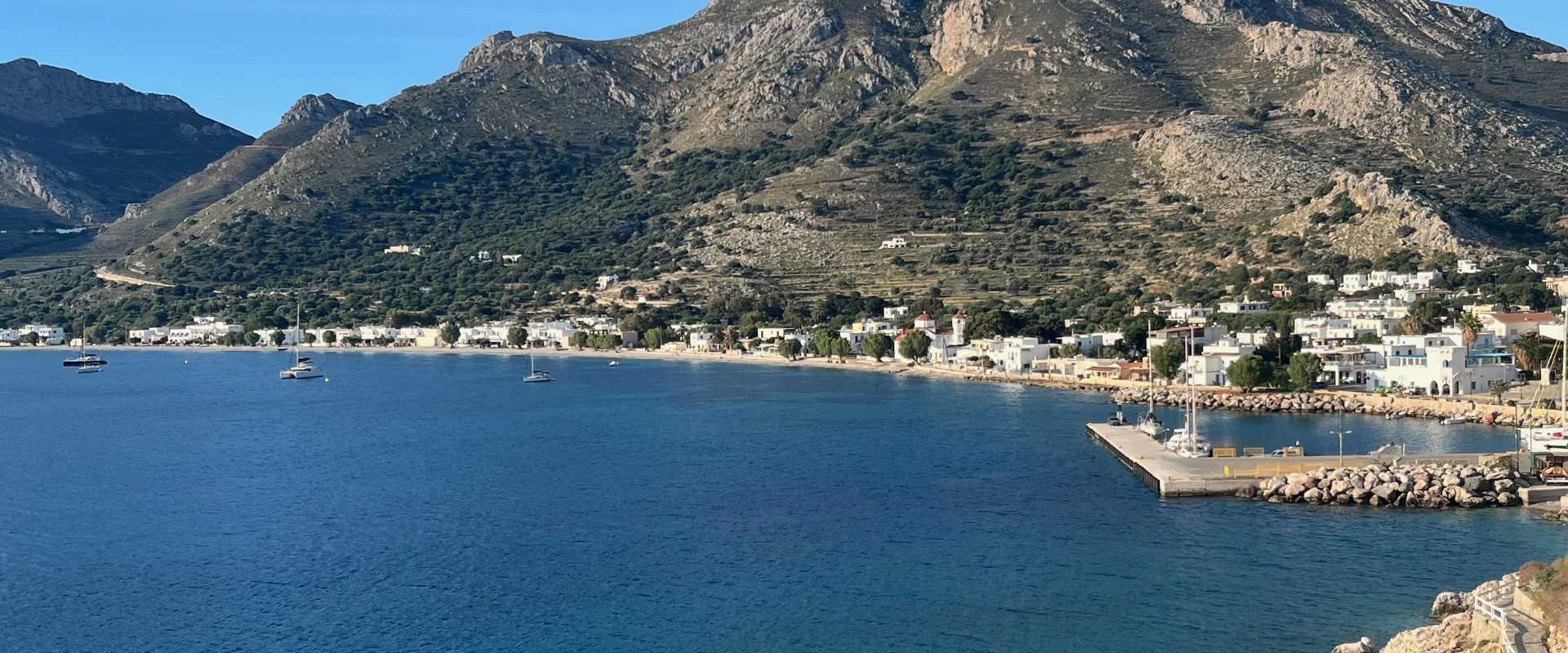
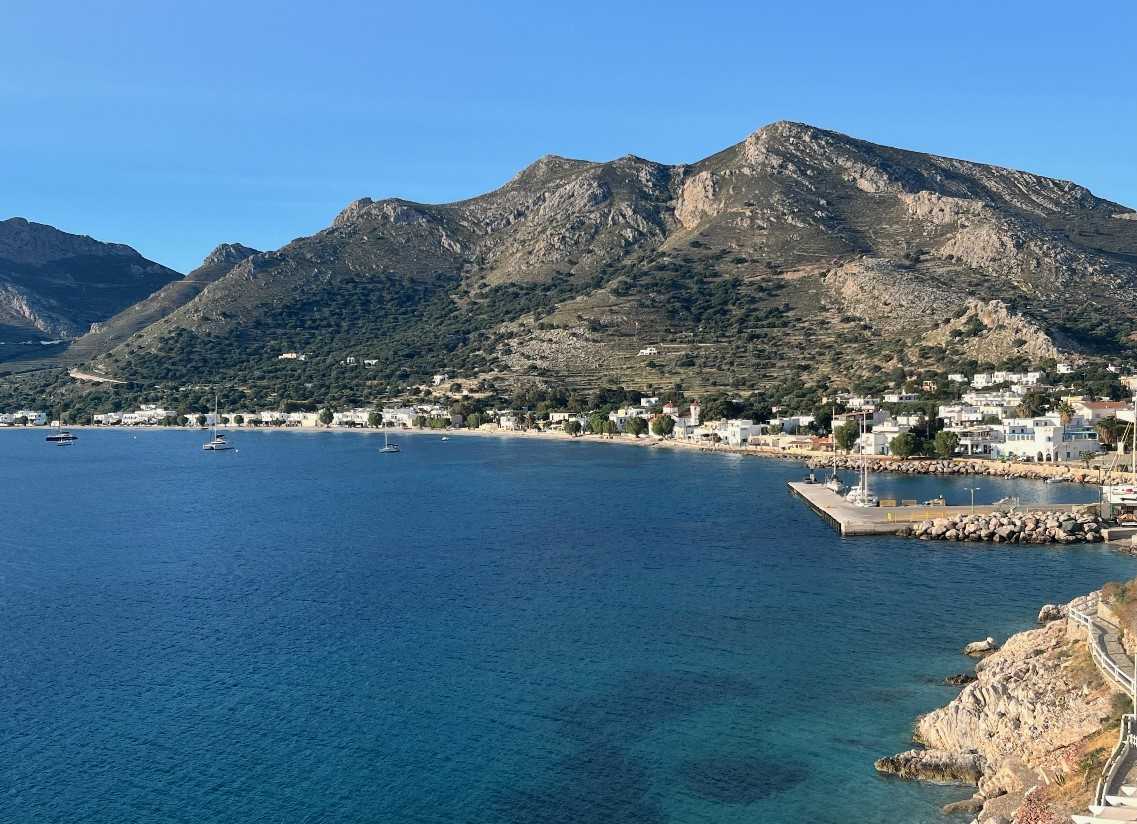
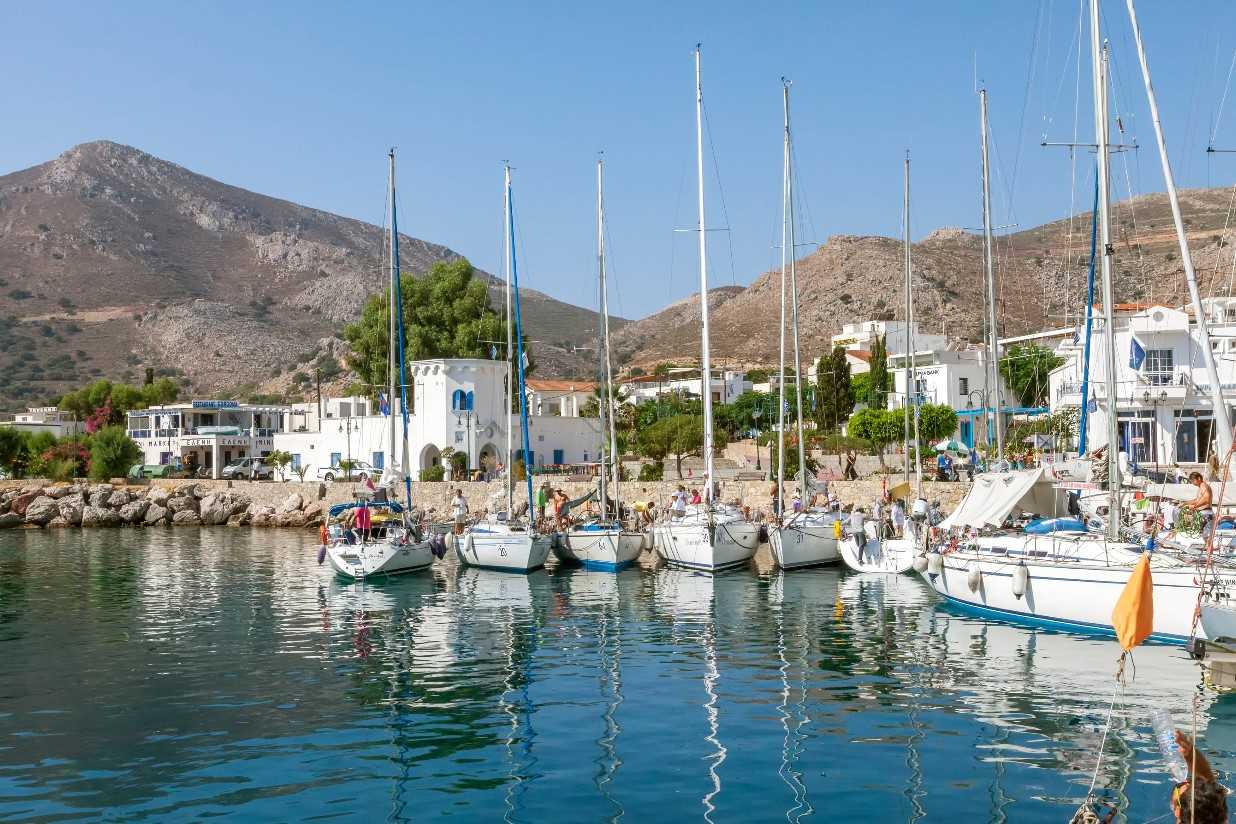
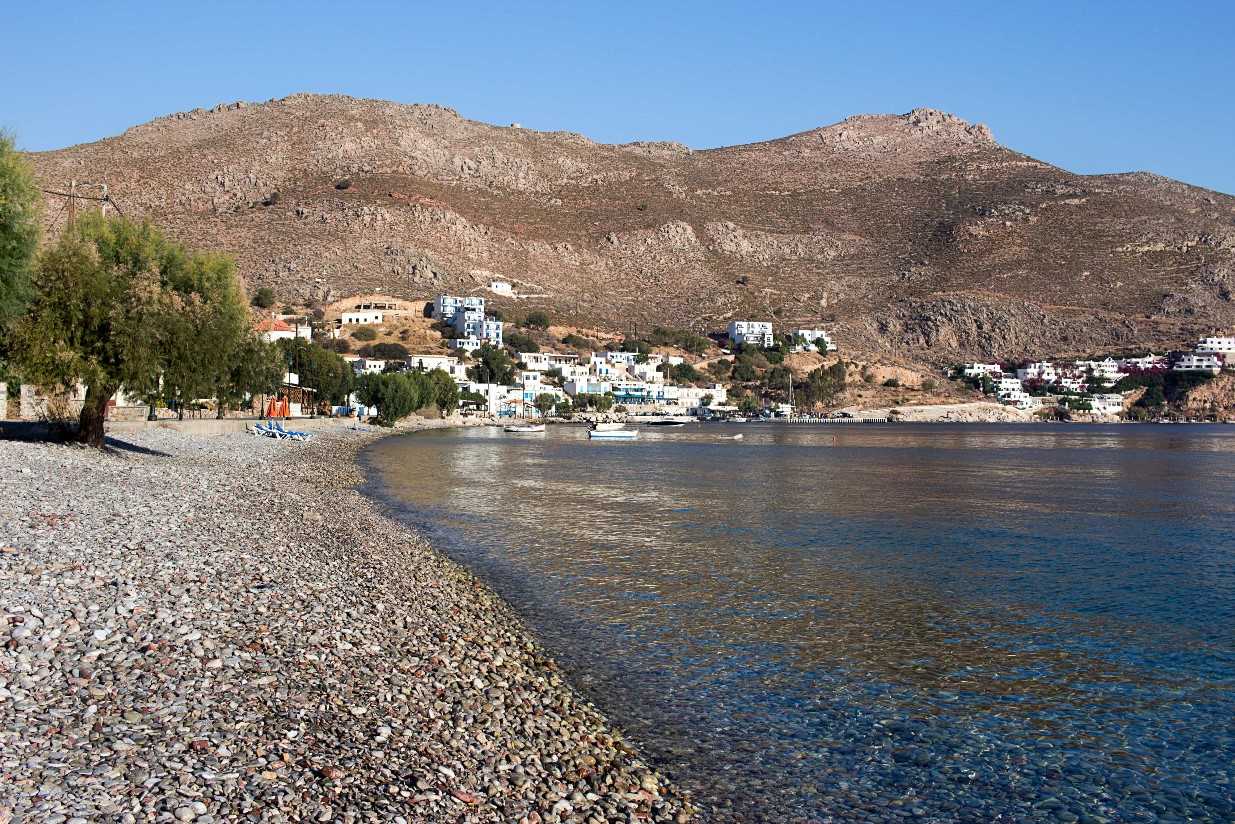
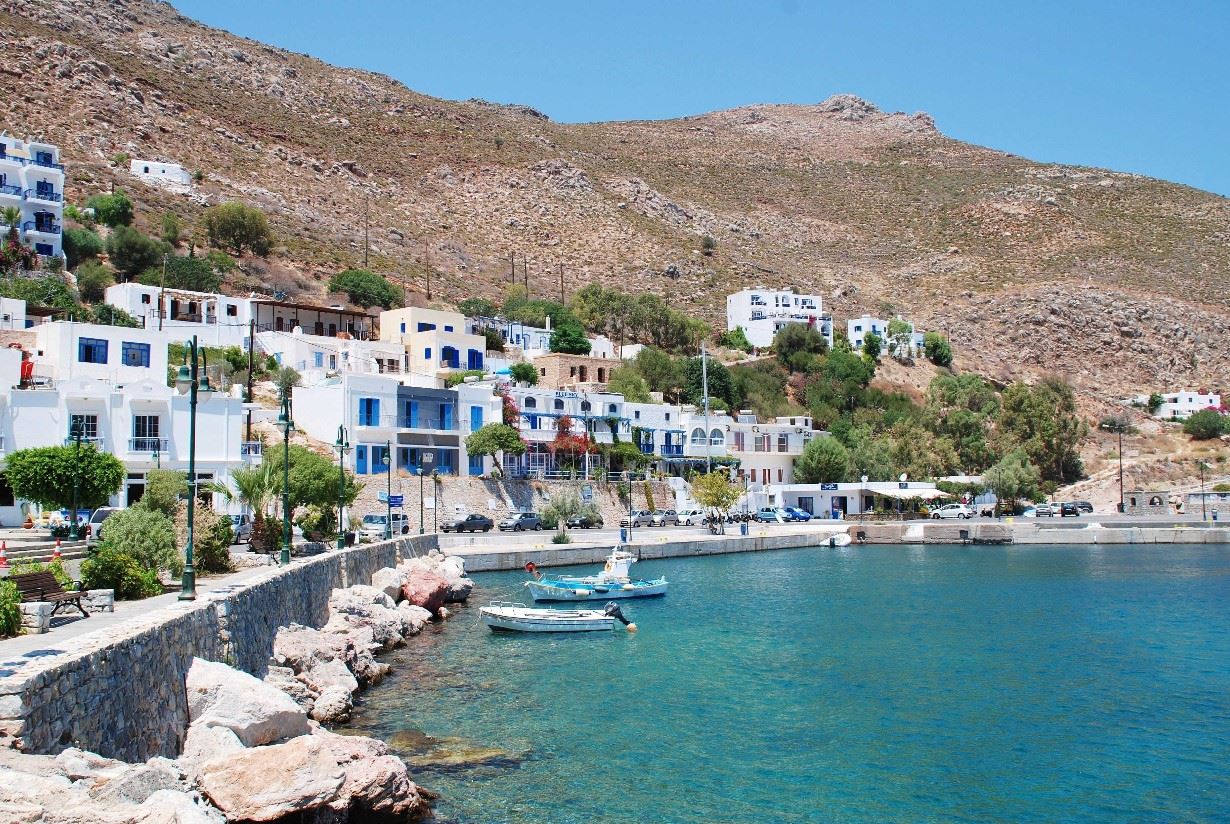
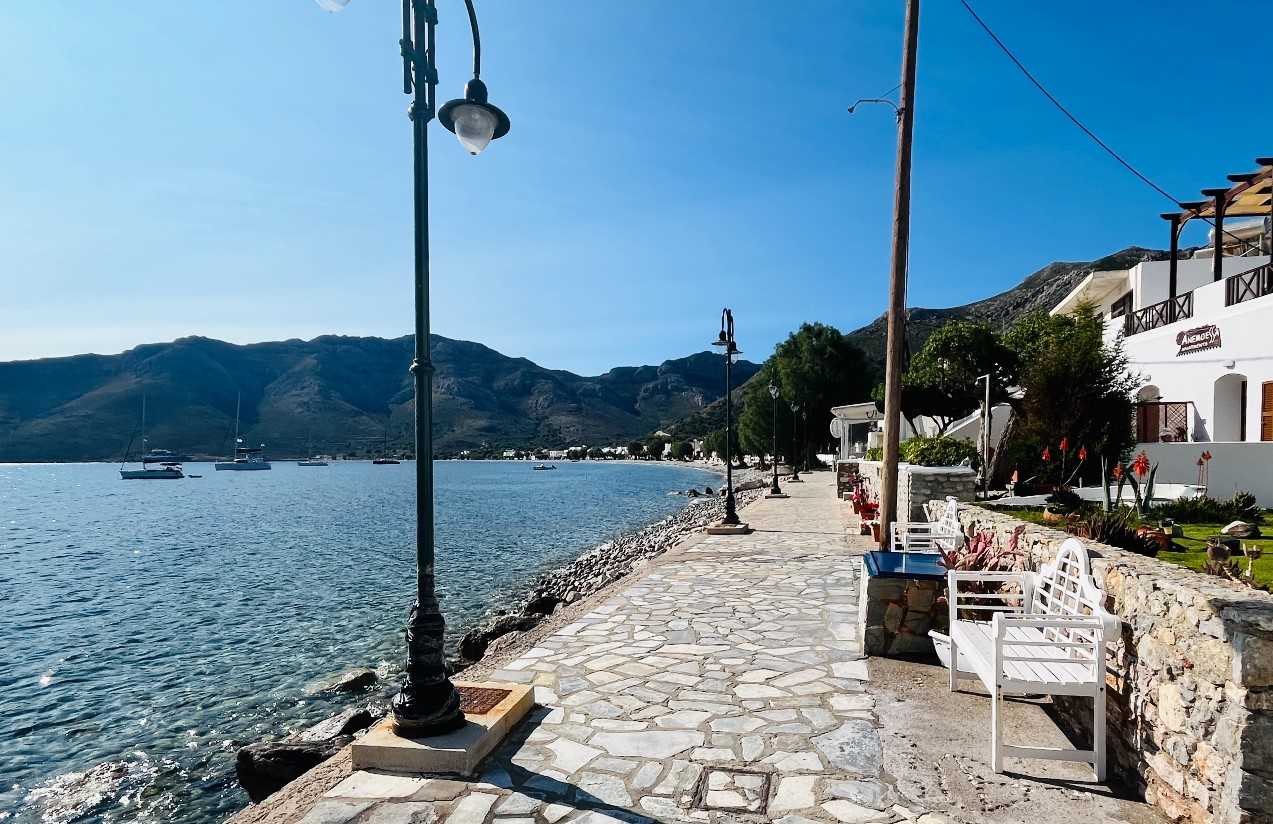
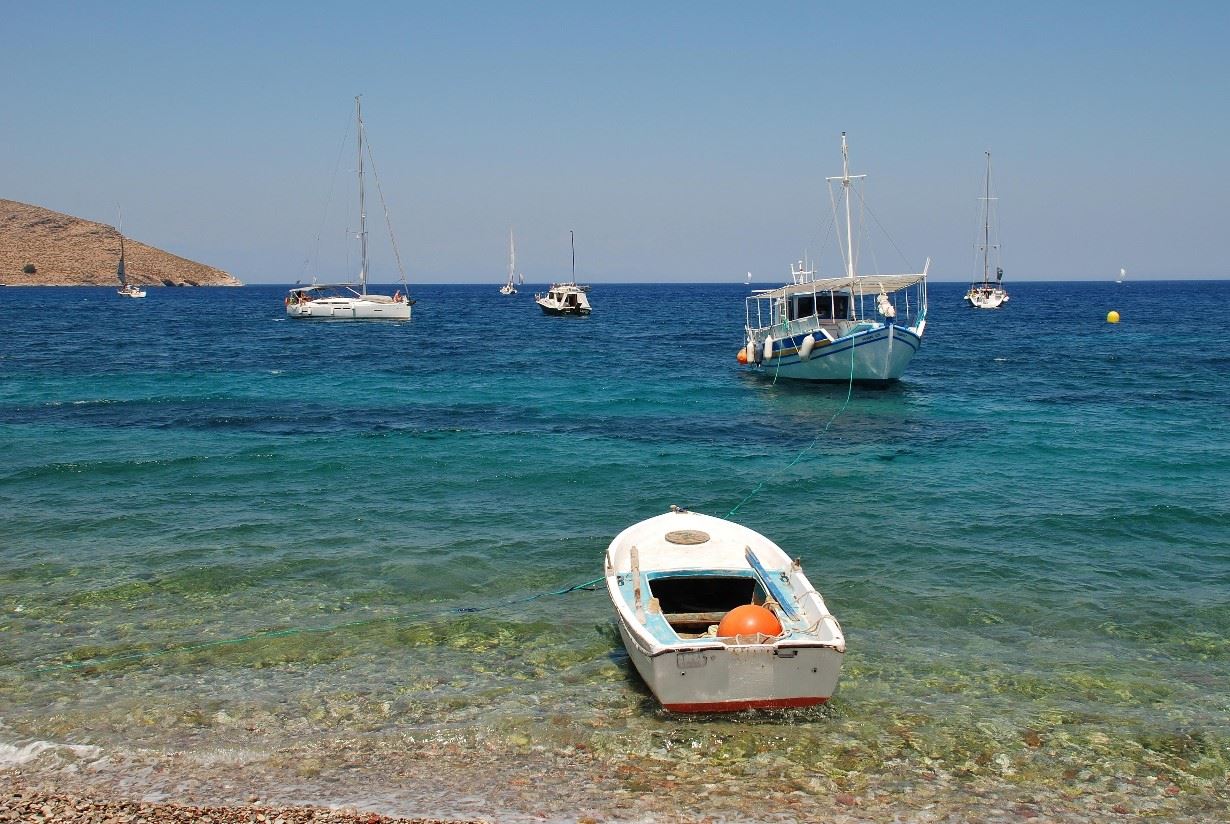
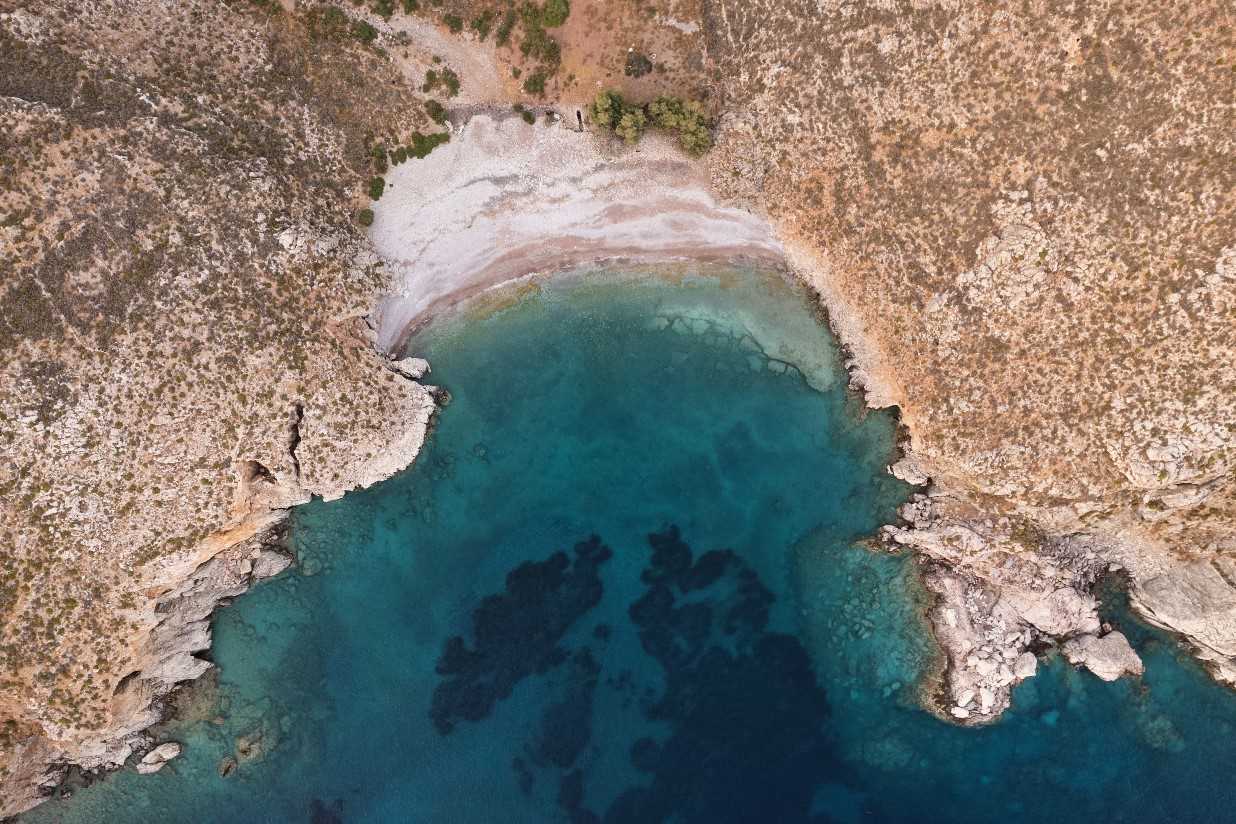
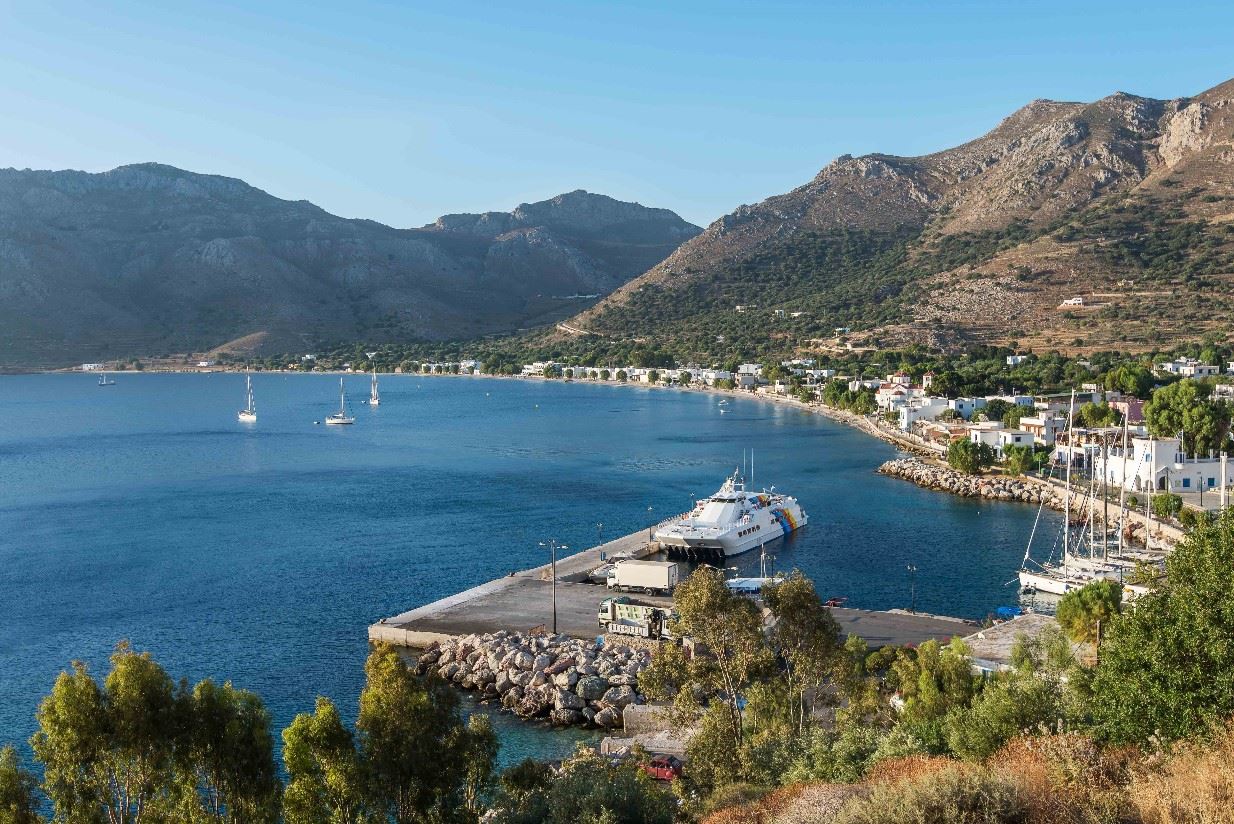
Many walking trails start from the main port of Livadia. This sleepy, traditional and overwhelmingly friendly little village boasts a lovely long pebble beach, shaded by tamarisk trees, lapped by the clearest of seas and backed by a car-free walkway. It also has some dozen very good tavernas and the same number of café-bars, five mini-markets (will deliver), a bakery and a bank with an ATM. Cars can be rented and a regular bus runs to Megalo Chorio and (in high season) to sandy Eristos beach. Tilos has 19 beaches, many of which can be reached only on foot or by boat as they have been purposefully left road-free.
Of course all the usual benefits which make Greece such a great destination for a relaxing holiday are present in abundance on Tilos – sun, sea, tavernas, village life etc. But Tilos offers so much more, and is a shining example to other small islands under similar economic pressures. By visiting you will not only have a splendid holiday, you will be supporting the island’s initiative and helping others to see that an alternative to mass tourism can work.
Organised by the Greek National Tourism Organisation, and based on a public vote of 13000 UK travellers, the Greek Travel Awards for 2026 rated Tilos as the best sustainable destination, highlighting the island's pioneering focus on renewable energy and waste reduction.