By Amy Wilsher, Sunvil Representative - Kefalonia
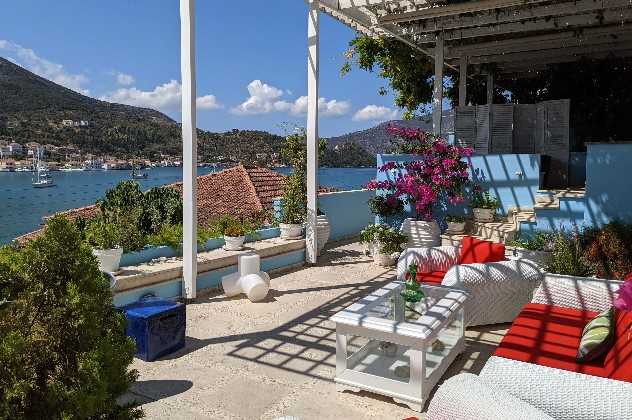
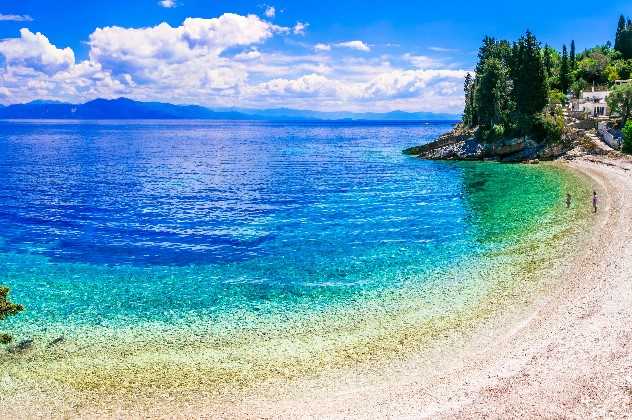
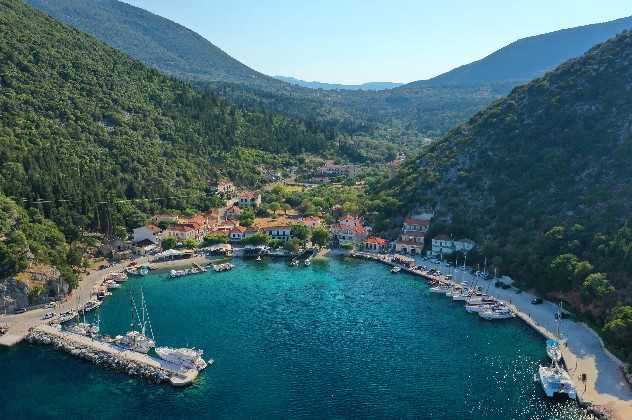
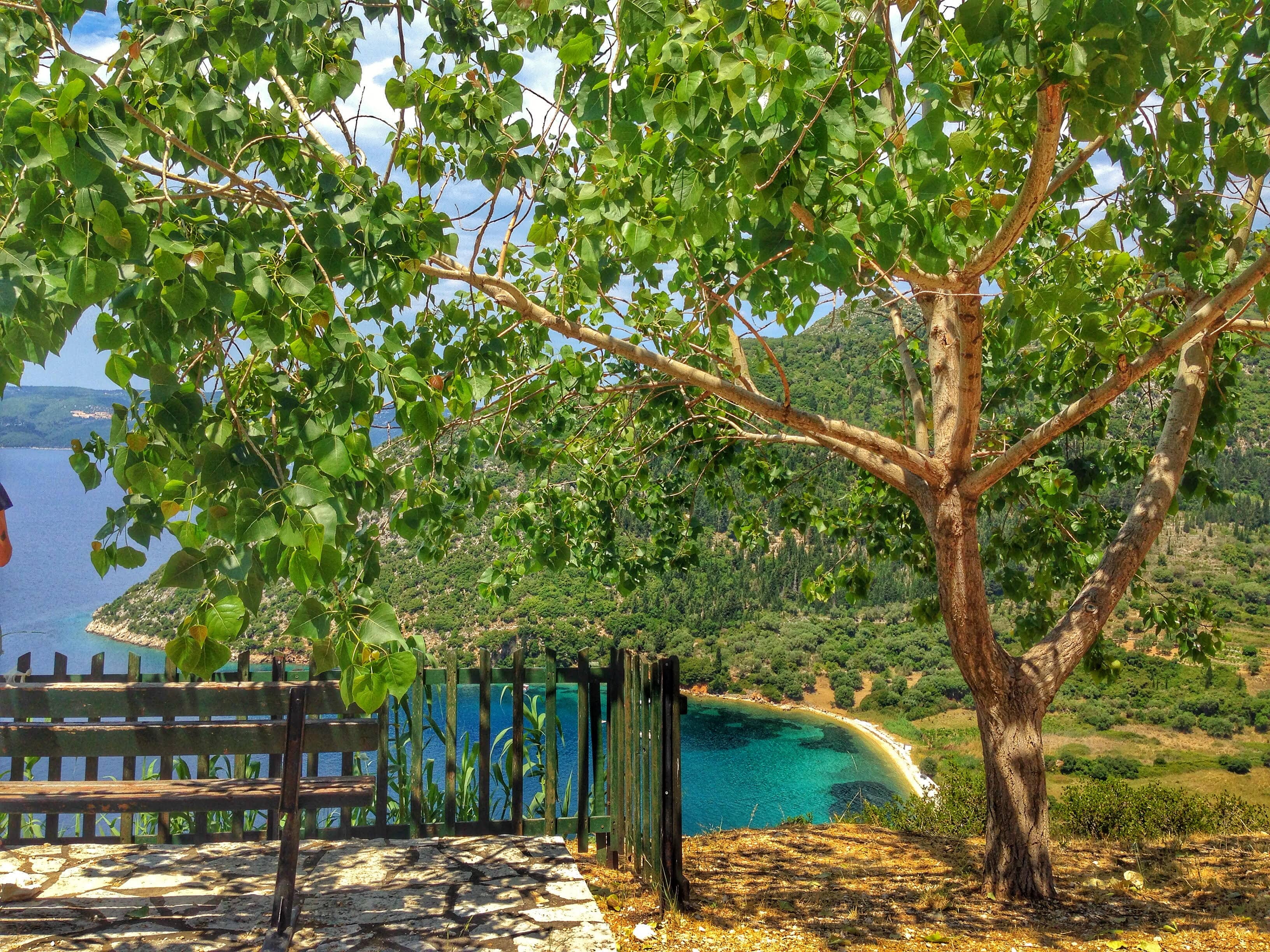
It’s almost impossible to think of Ithaca without conjuring images of Greek gods, myths and legends. Lush green hills rise above white pebble beaches and crystal-clear turquoise waters, creating a landscape that feels almost mythical itself.
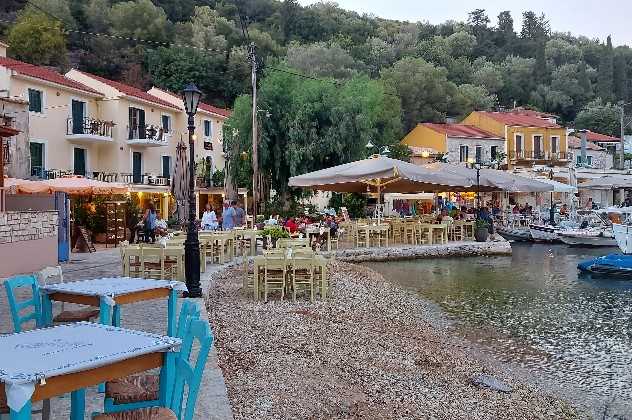
For centuries Ithaca has inspired artists, writers and travellers searching for peace, creativity and a connection with nature. From inland mountain villages, some with no more than one family-run taverna, to picturesque harbour fronts lined with fish restaurants, it’s very easy to see the appeal.
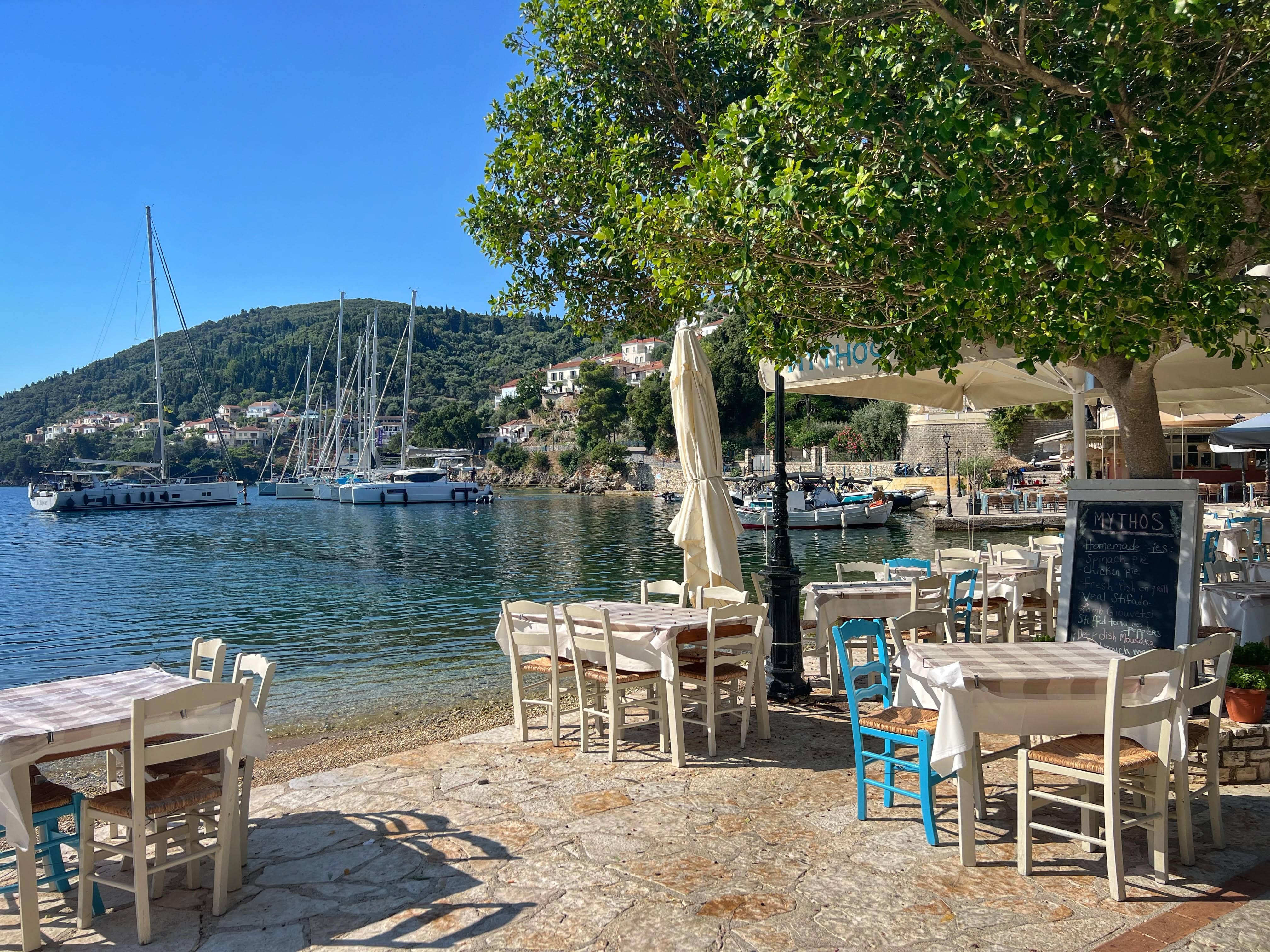
The sense of wonder surrounding Ithaca has been reignited with the release of Christopher Nolan’s epic fantasy film ‘The Odyssey’. Featuring a star-studded cast, including Matt Damon and Anne Hathaway, the film has introduced Homer’s legendary tale to a new generation of audiences.
According to Homer, Odysseus was the King of Ithaca. Favoured by the Greek goddess Athena and renowned for his intelligence and strategic brilliance, he was invaluable to the Greek success in the ten-year Trojan War. However, it was his journey home that secured his place in history. Desperate to return to his wife, his son and his beloved island, he set off on what should have been a short voyage, unaware that the journey ahead would become an epic ten-year odyssey filled with gods, monsters and extraordinary adventures.
Although none of the filming for the new movie took place on the island traditionally associated with Odysseus’ kingdom, Ithaca remains inseparable from his story. Join us as we explore the places believed to have inspired one of history’s greatest legends, and discover how you can follow in the footsteps of Ithaca’s mythical King – whilst leaving a few footprints of your own along the way.
School of Homer – Searching for the Palace of Odysseus
Homer was an ancient Greek poet, credited with writing the two epic poems ‘The Iliad’ and ‘The Odyssey’. For a man who left such an important legacy, very little is known about the life of Homer. Although it’s not believed that he lived on Ithaca, he immortalised its legendary King, Odysseus, in his epic tale.
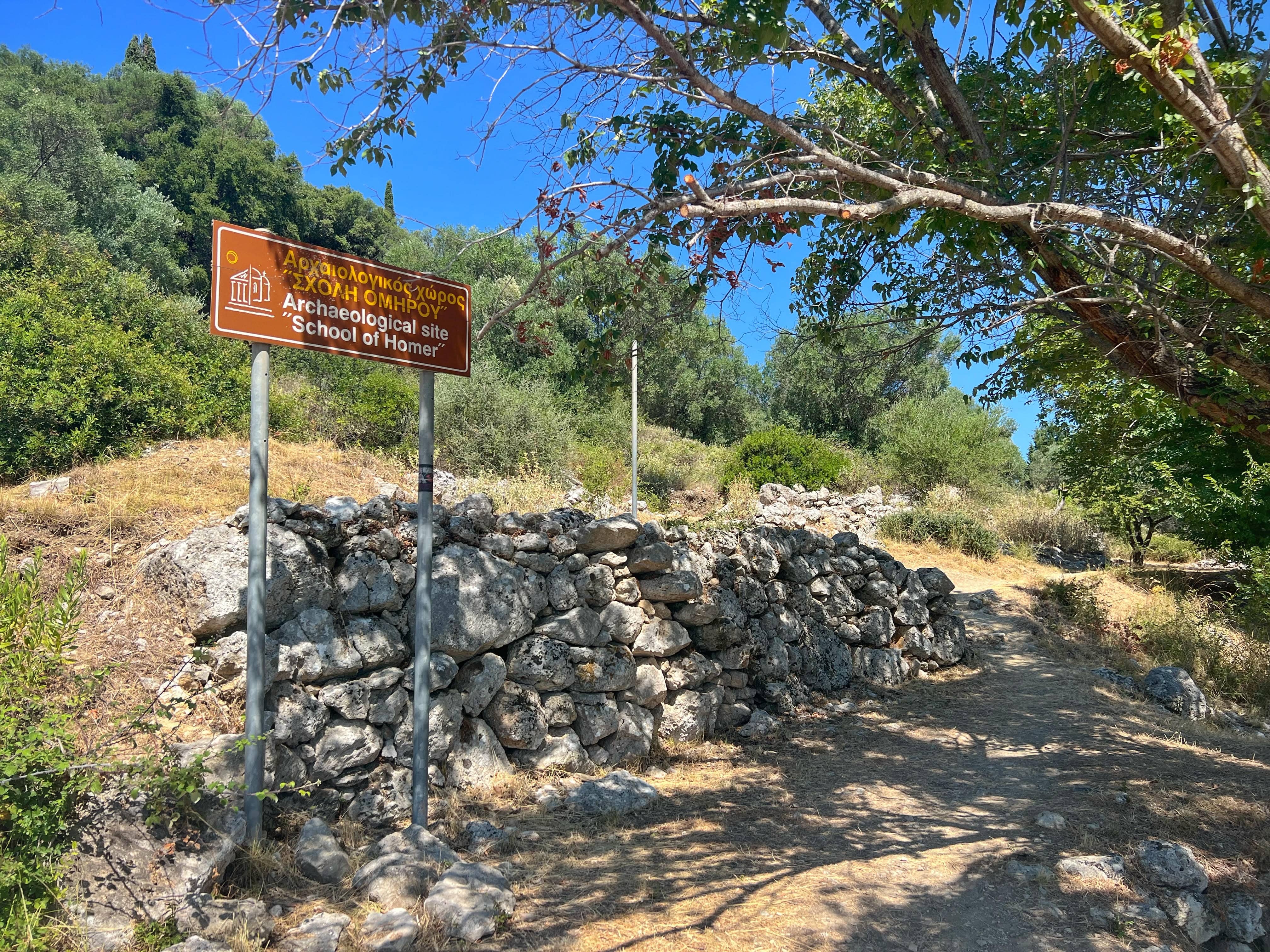
Located in the north of the island, on the mountain slopes beneath the village of Exoghi, lies the site known as the ‘School of Homer’. Considered one of Ithaca’s most important archaeological sites, excavations here have unearthed artefacts and ritual vessels with inscriptions dedicated to Odysseus.
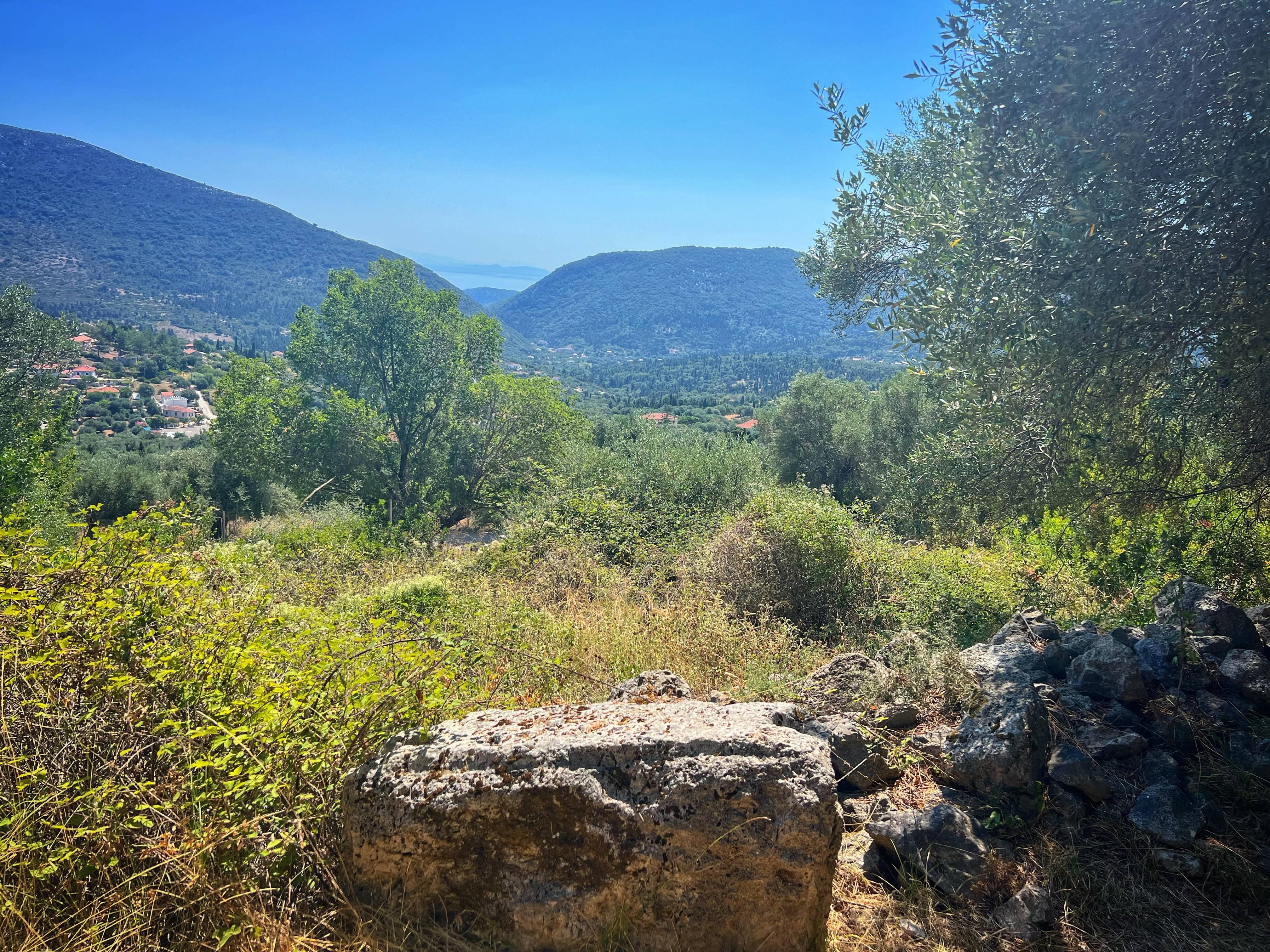
Researchers have discovered an acropolis-style complex dating back to around 1900 BC. Several archaeologists believe this may have been the palace of Odysseus described in ‘The Odyssey’, making it a site of enormous historical and cultural significance.
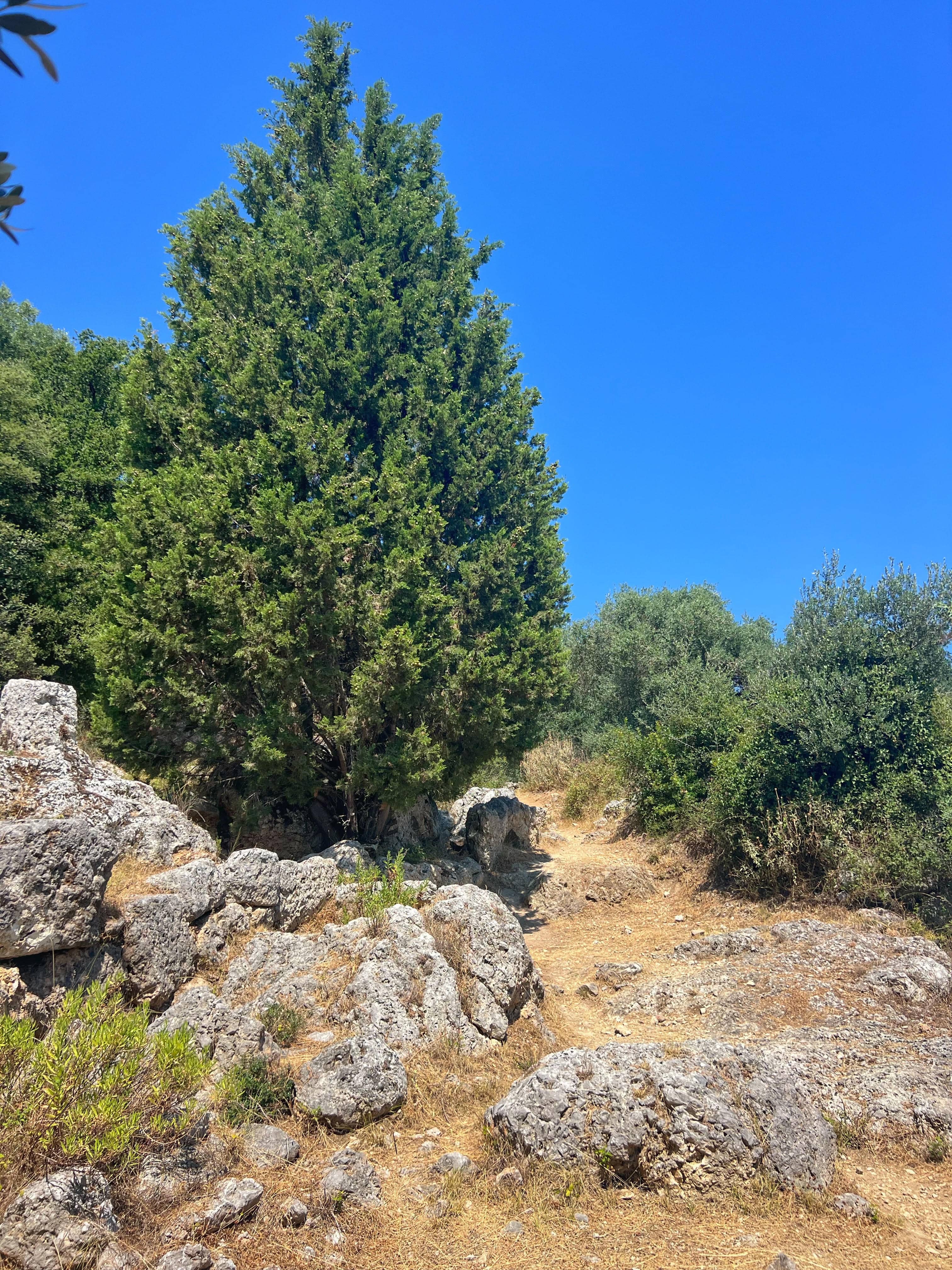
Here you can wander amongst the stones of another age, imagining them as the foundations of a palace far greater than the remains we see today. Pause beneath the shade of the olive trees, their roots embedded in the earth as much as the legends are embedded in the history here.
Our recommendation
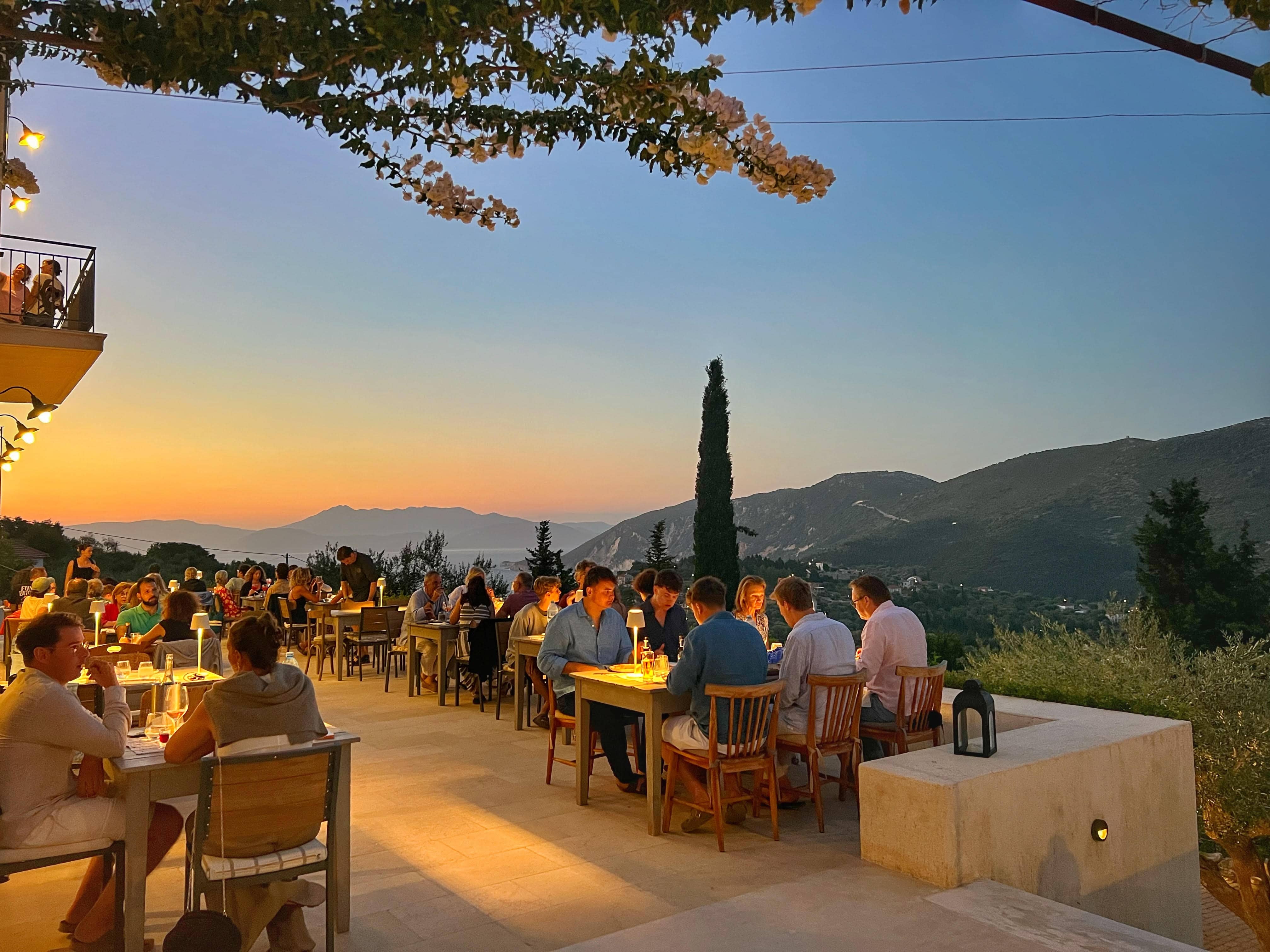
If you’re in the area to visit the School of Homer, we recommend booking an evening meal at ‘Myrtia’. This beautiful restaurant offers sunset views to dream of and a dining experience fit for the gods. Reservations recommended.
Polis Bay – Secrets beneath the water
This beautiful beach holds much more historical significance than first meets the eye. Located on the north-west of Ithaca, with views across the channel to the neighbouring island of Kefalonia, this bay holds a few secrets.
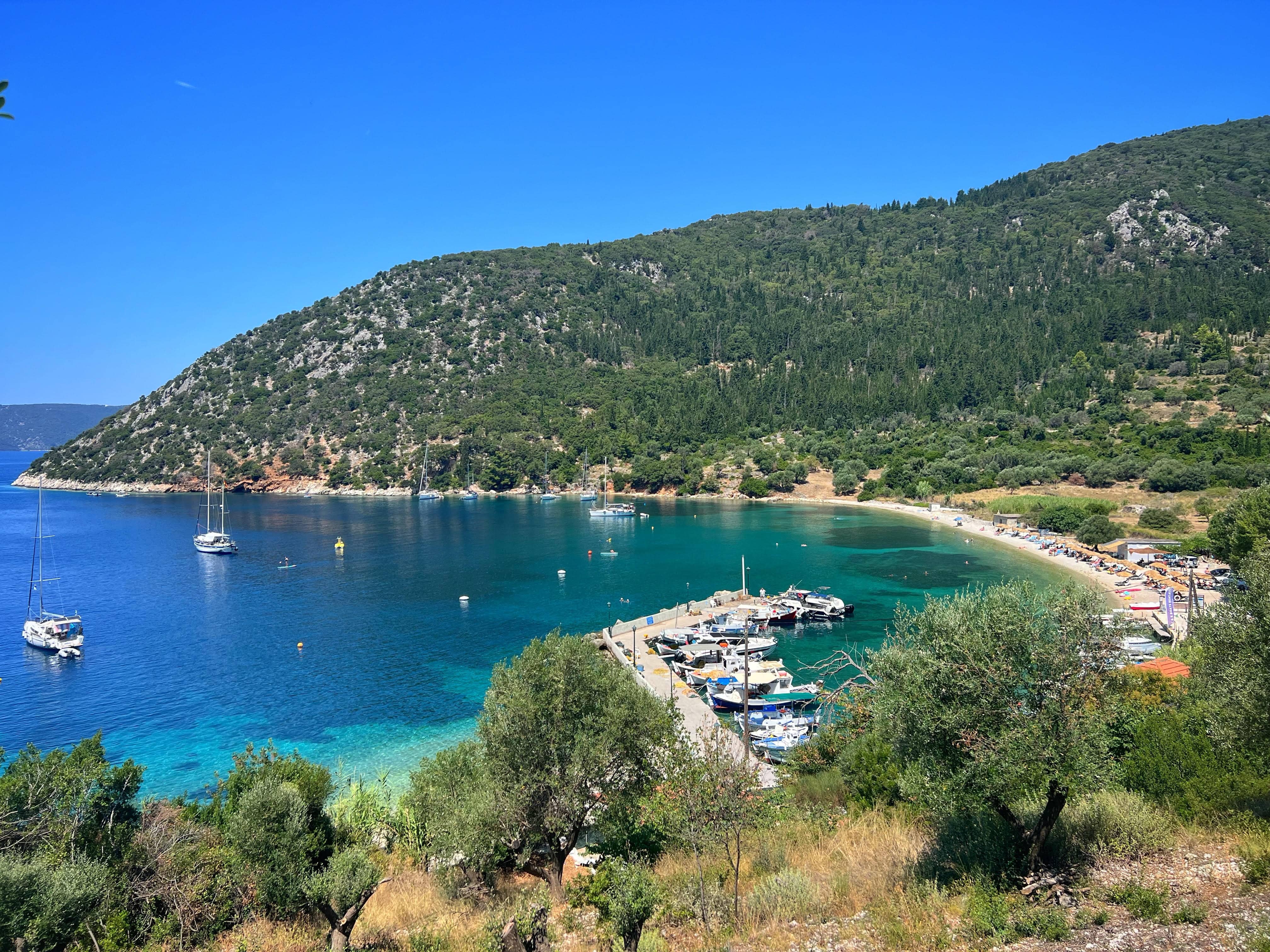
Beneath these tranquil waters, legend tells of an ancient sunken city sleeping here. It’s believed that in 967 AD an ancient settlement was swallowed by the sea here during a massive earthquake. The name of the bay, ‘Polis’, comes from the Greek word πόλη (poli), meaning city. At the northern edge of Polis bay lies Loizos cave, which is considered to be a very significant archaeological site for early Greek history. It is believed to have been a place of worship to Odysseus, where travellers often left offerings to their hero. Most famously a fragment of a mask was recovered from the cave, inscribed with a ‘Prayer to Odysseus’.
Unfortunately, over the years the cave has suffered structural damage and has partially collapsed and sank into the sea, mainly during the earthquake of 1953. The entrance to the cave is fenced off for safety reasons, however many priceless artifacts recovered from the site (including the inscribed mask), can be seen at the Archaeological Collection of Northern Ithaca in Stavros.
Good to know
The Archaeological Collection of Northern Ithaca in Stavros is open during the summer months from 08:30 until 15:30 daily, apart from Tuesdays when it is closed. It costs €5 to enter. Throughout the summer Polis bay has sunbeds, parasols and a shack serving drinks and snacks. Why not spend a lazy morning here, dreaming of the adventures of the past?
Stavros – Bringing Homer’s Ithaca to life
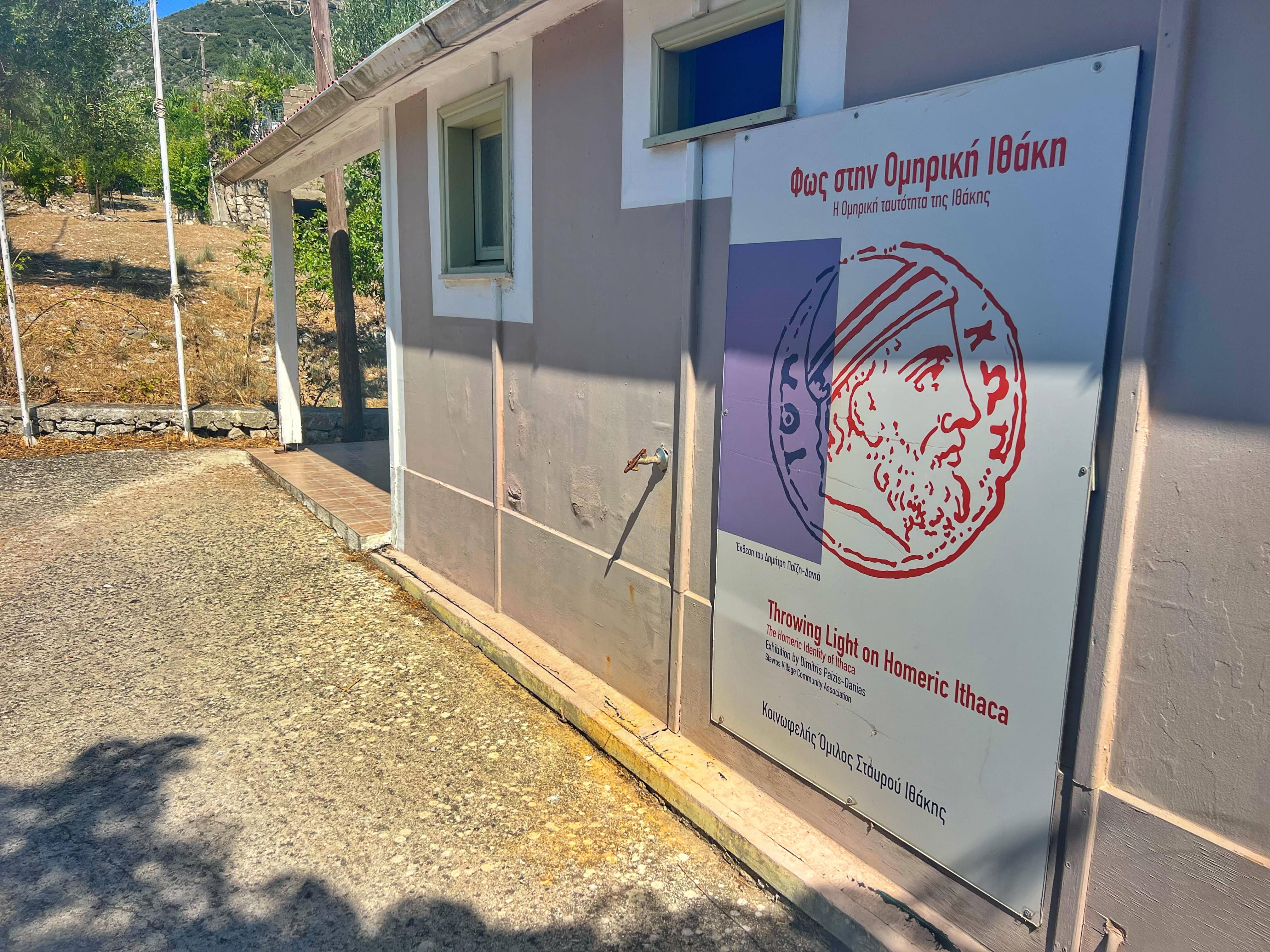
As well as the collection mentioned above, Stavros is home to a permanent archaeological and literary exhibition, ‘Throwing light on Homeric Ithaca – The Homeric identity of Ithaca’. Here you can find extensive historical, mythical and geographical evidence connecting the legendary kingdom of Odysseus to the island of Ithaca. At the time of writing, the exhibition is free to visit and is open every day.
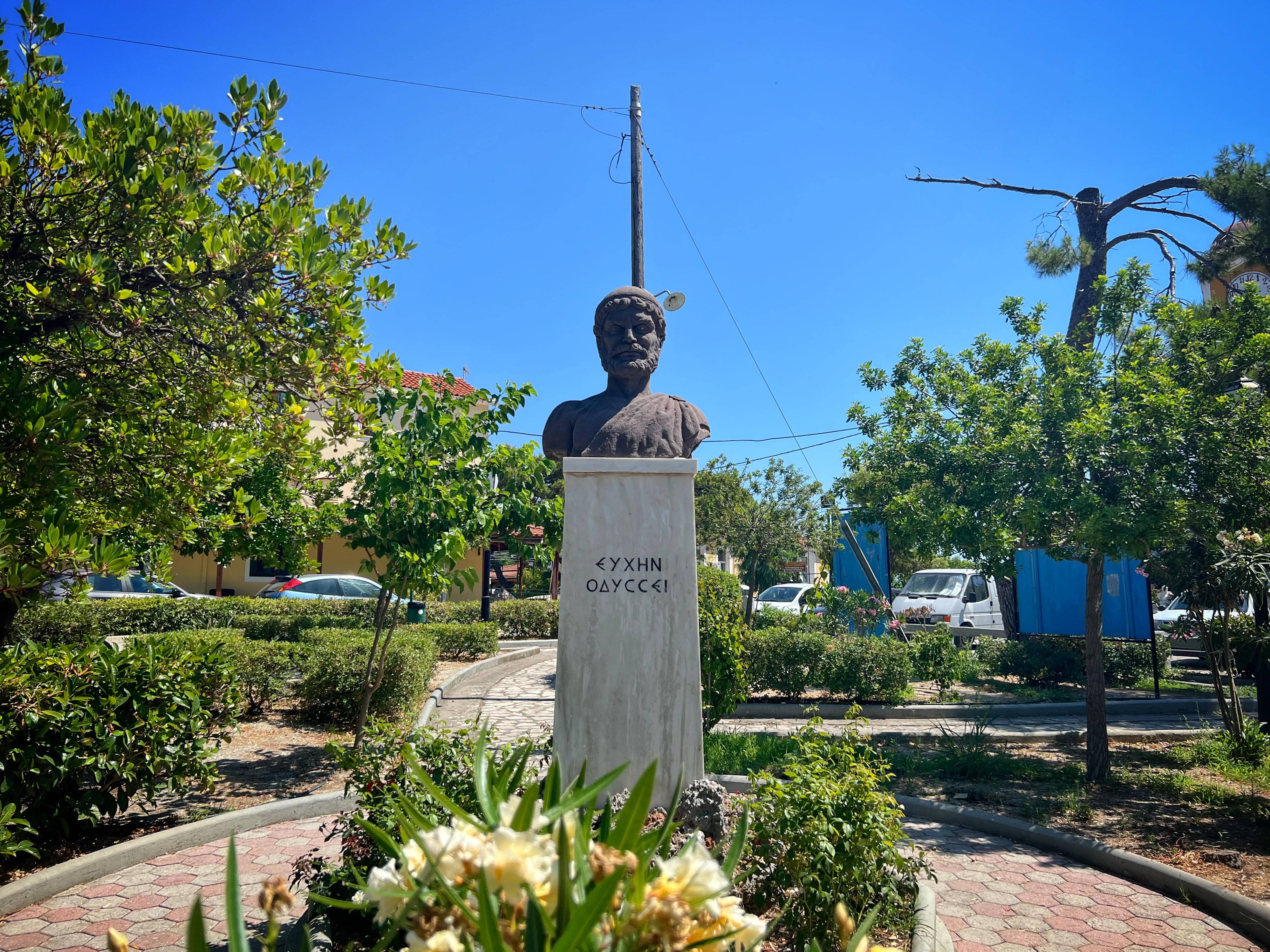
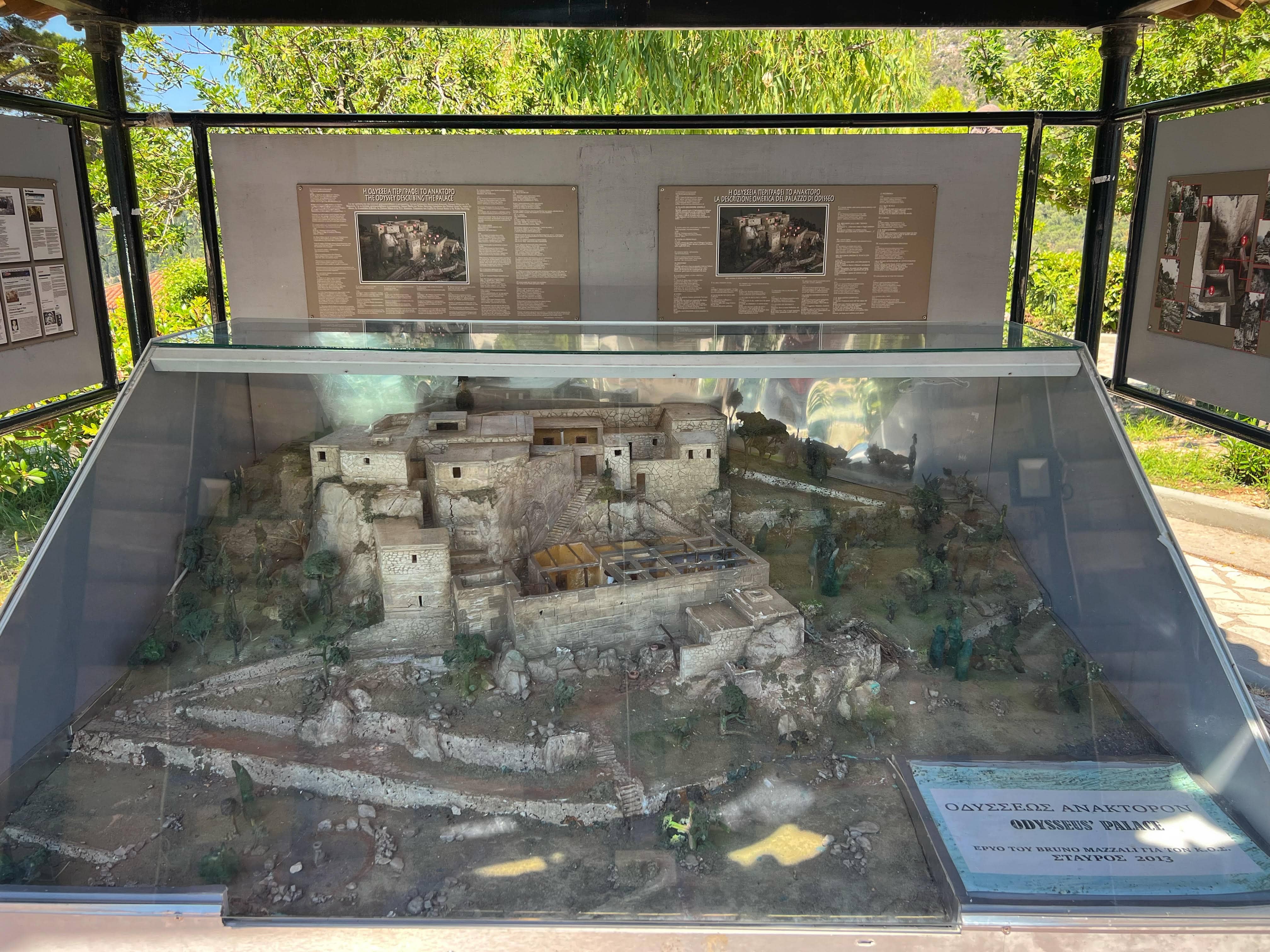
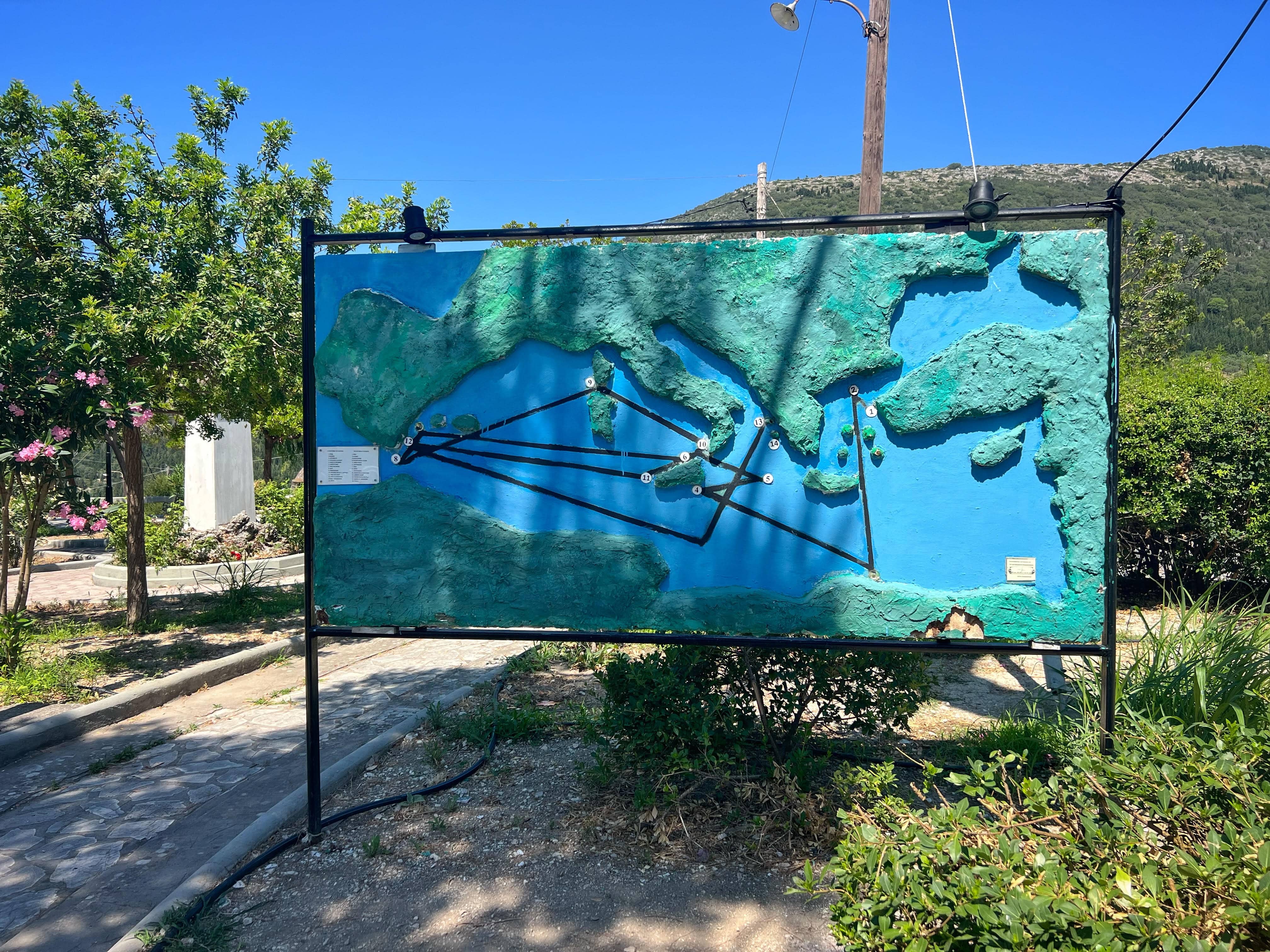
In the public park of Stavros you can see a striking bust of Odysseus. Also here, in the main village square, there is a detailed scale model of Odysseus’ Palace. It was created in 2013, and provides an excellent way to help us envisage the mythical home of Homer’s protagonist. Several information boards and maps can also be found in this area.
Dexa Bay – Where Odysseus came ashore
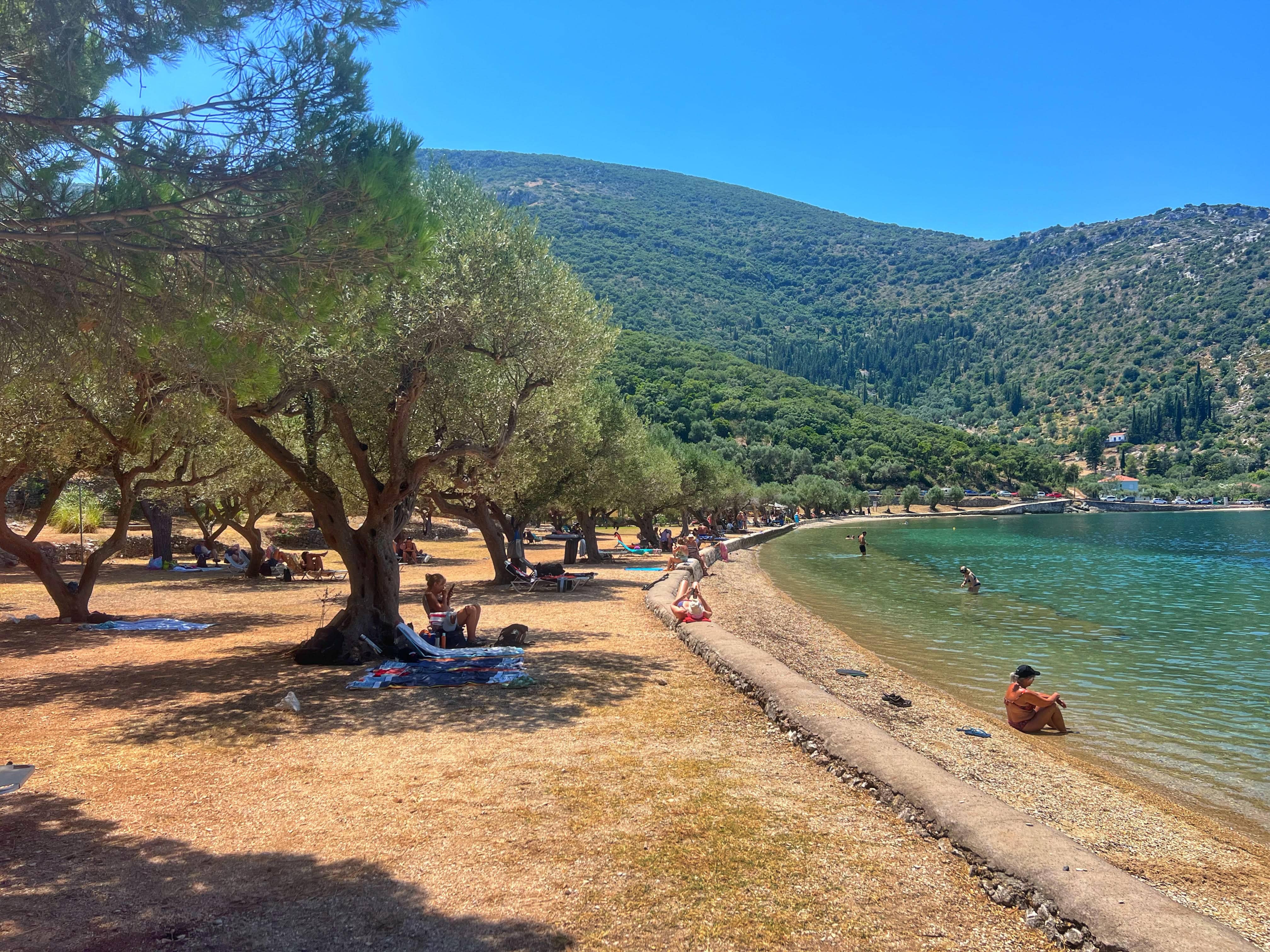
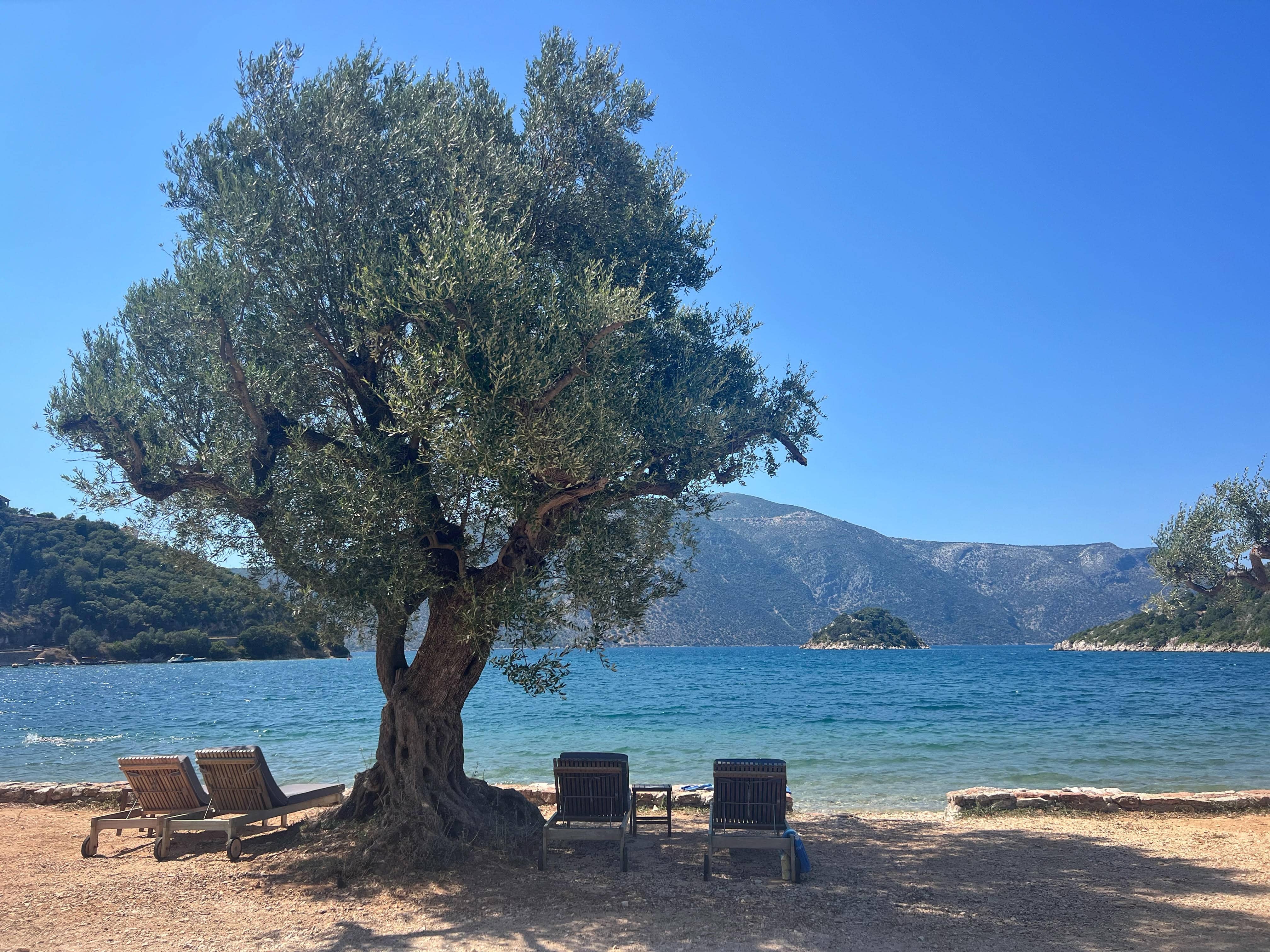
This beautiful, tranquil bay is considered to be the ancient port of Phorcys, the mythological point on the island that Odysseus sailed into, on his return to Ithaca after many years away. Olive trees fringe the water’s edge, and during the summer months you can simply choose your preferred spot at the beach and sunbeds will be delivered to you. Parasols aren’t really necessary as the olive trees provide such dense shade. The calm turquoise waters are perfect for swimming, and a very traditional lunch can be enjoyed at the shack at the back of the beach.
As you relax on the beach with a light breeze from the sea whispering over your skin, you can imagine how thrilled Odysseus must have been to reach this landing point after twenty years away from his island. Looking out to sea you can see the small islet of Skartsoumponisi, which according to the legend is the ship of Odysseus, that was turned to stone by Poseidon, the god of the seas.
Traveller’s tip
We really recommend taking swimming shoes on your trip to Ithaca. All of the beaches on the island are pebbly and the shoes can make getting in and out of the water much more comfortable.
Cave of the Nymphs – Where Odysseus hid his treasure
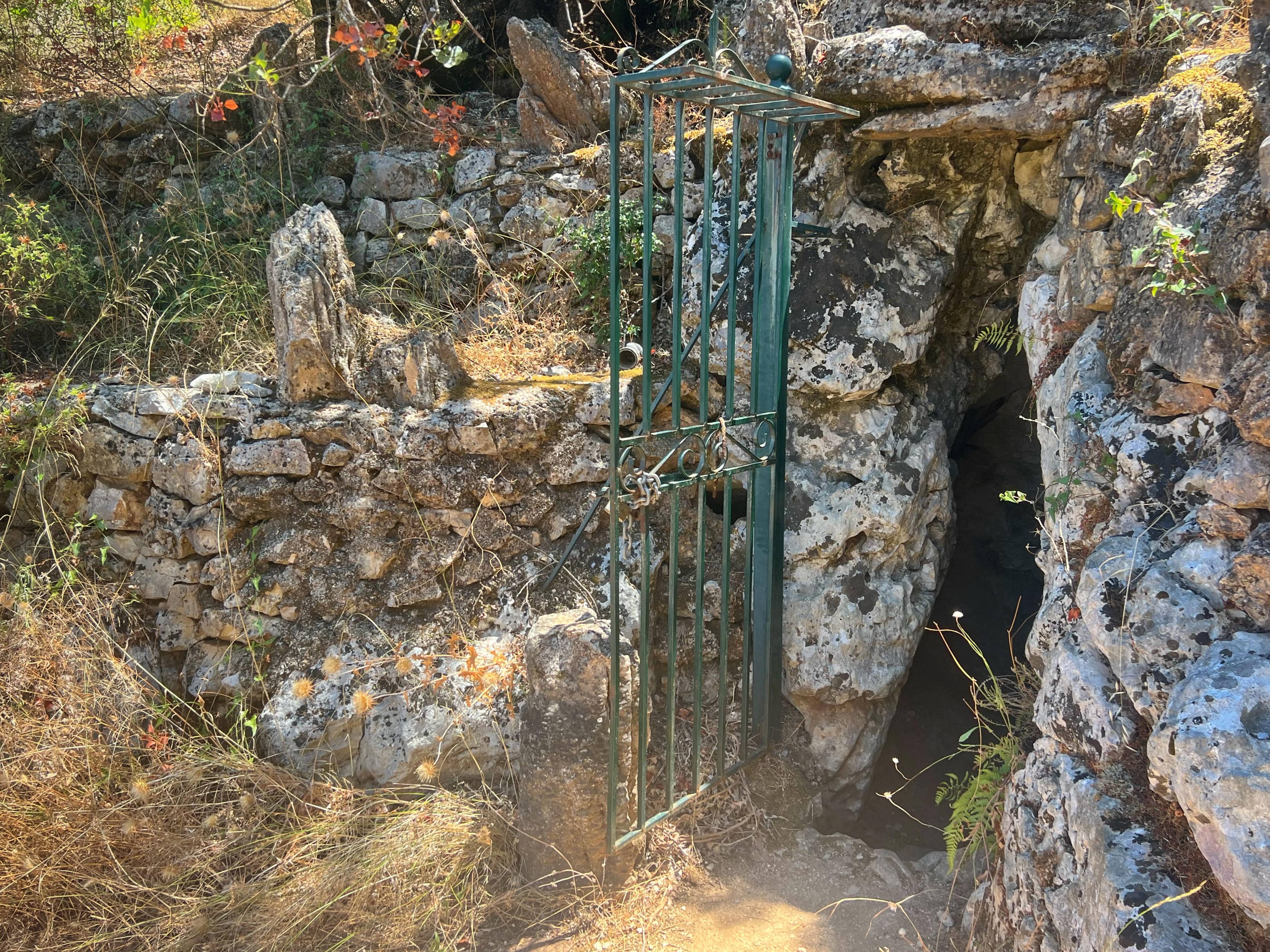
With such a title, it’s no wonder this site is of such mythological significance. Set slightly inland from Dexa Bay this cave is believed to have been where Odysseus hid the gifts he received from the King of the Phaeacians, upon his return to Ithaca. Inside the cave, lies a deeper chamber which reaches 36 metres in depth and houses the entrance to a tunnel. This aligns with the description of the cave in Homer’s Odyssey, suggesting strongly that this was the site that played a significant mythological role.
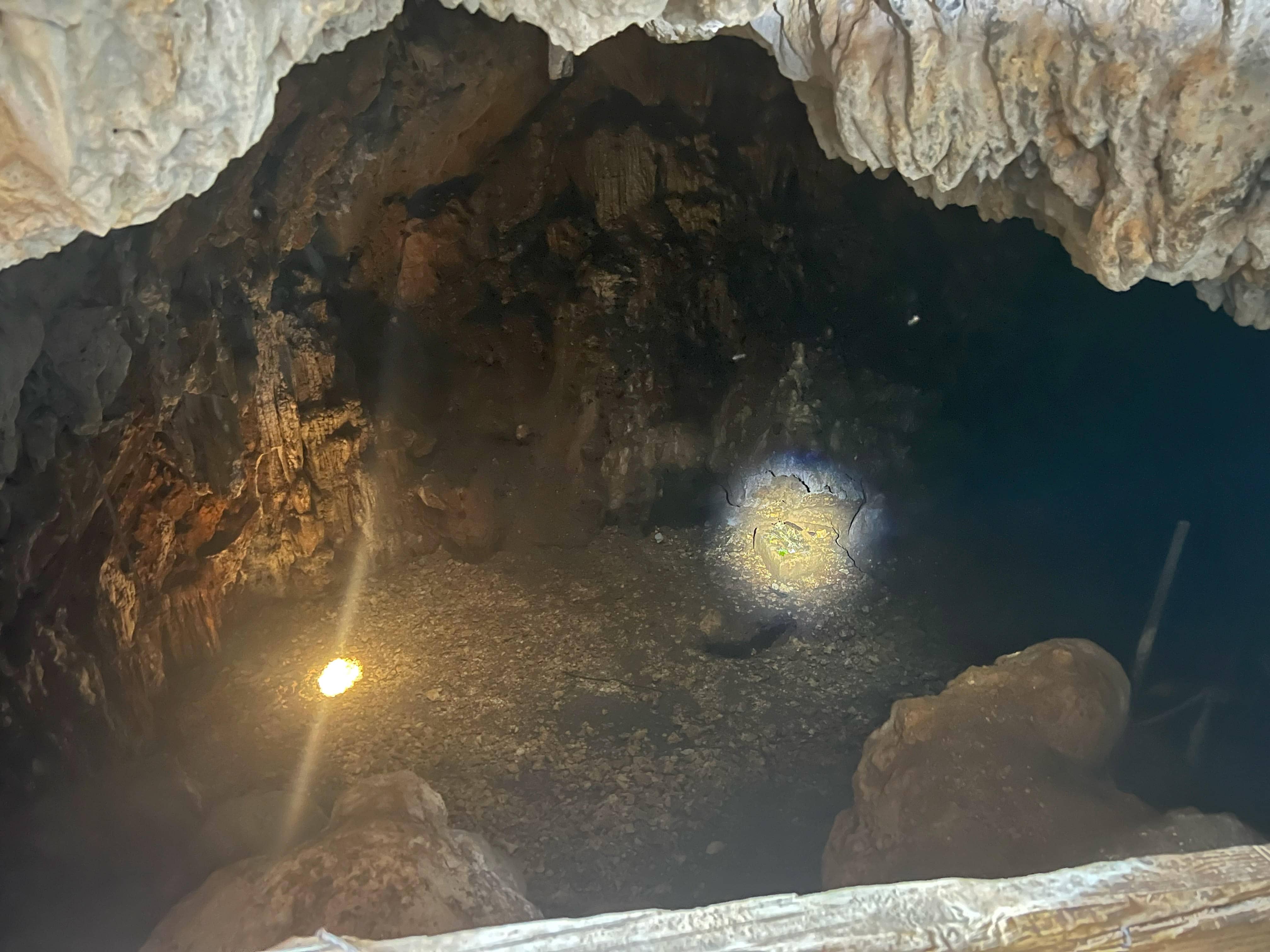
Many artifacts have been excavated from inside the cave, including figurines of Nymphs, rings, inscribed pots, ancient tripods and religious offerings. Some of which can be viewed today at the museum in Vathy (see below).
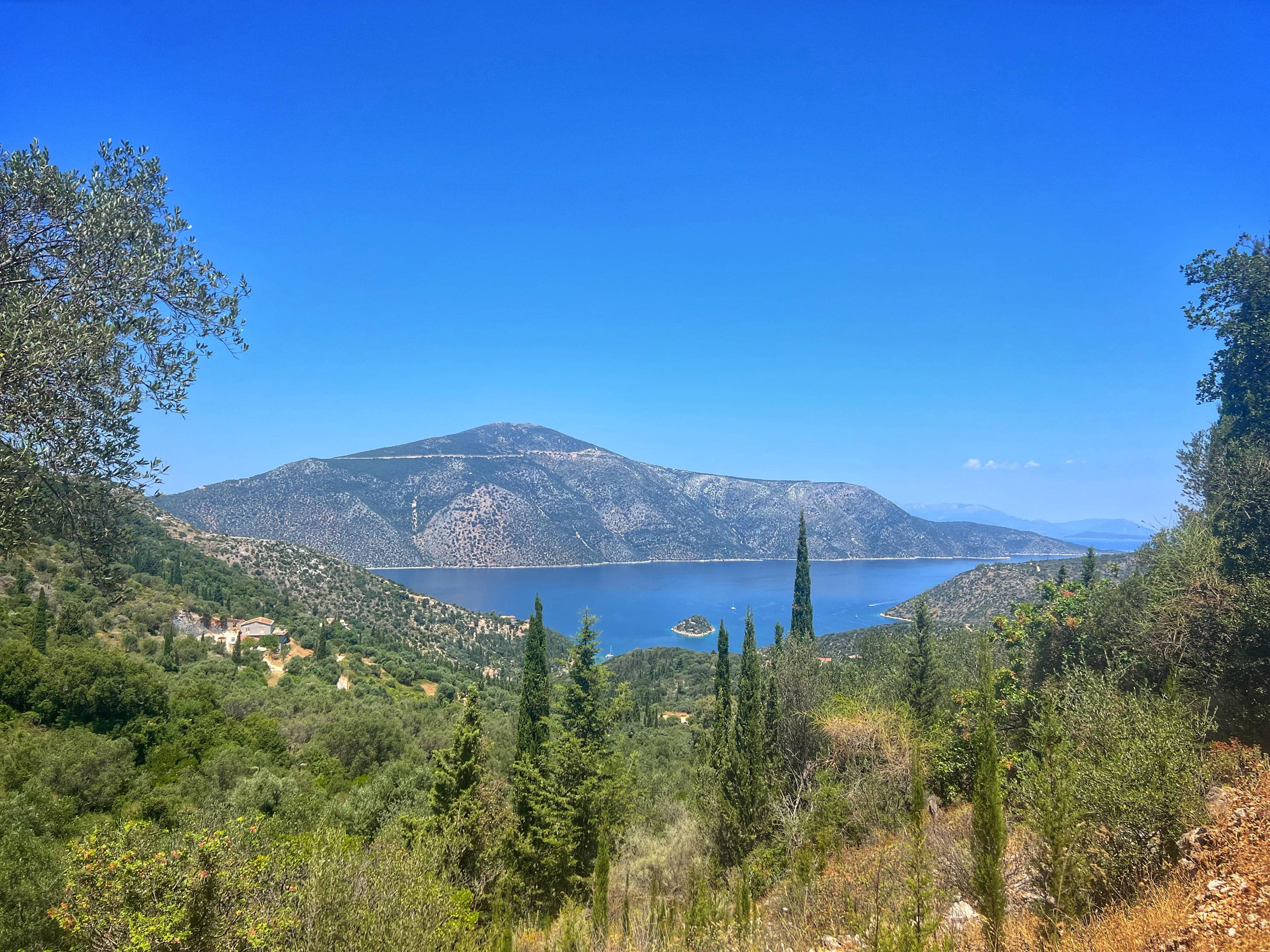
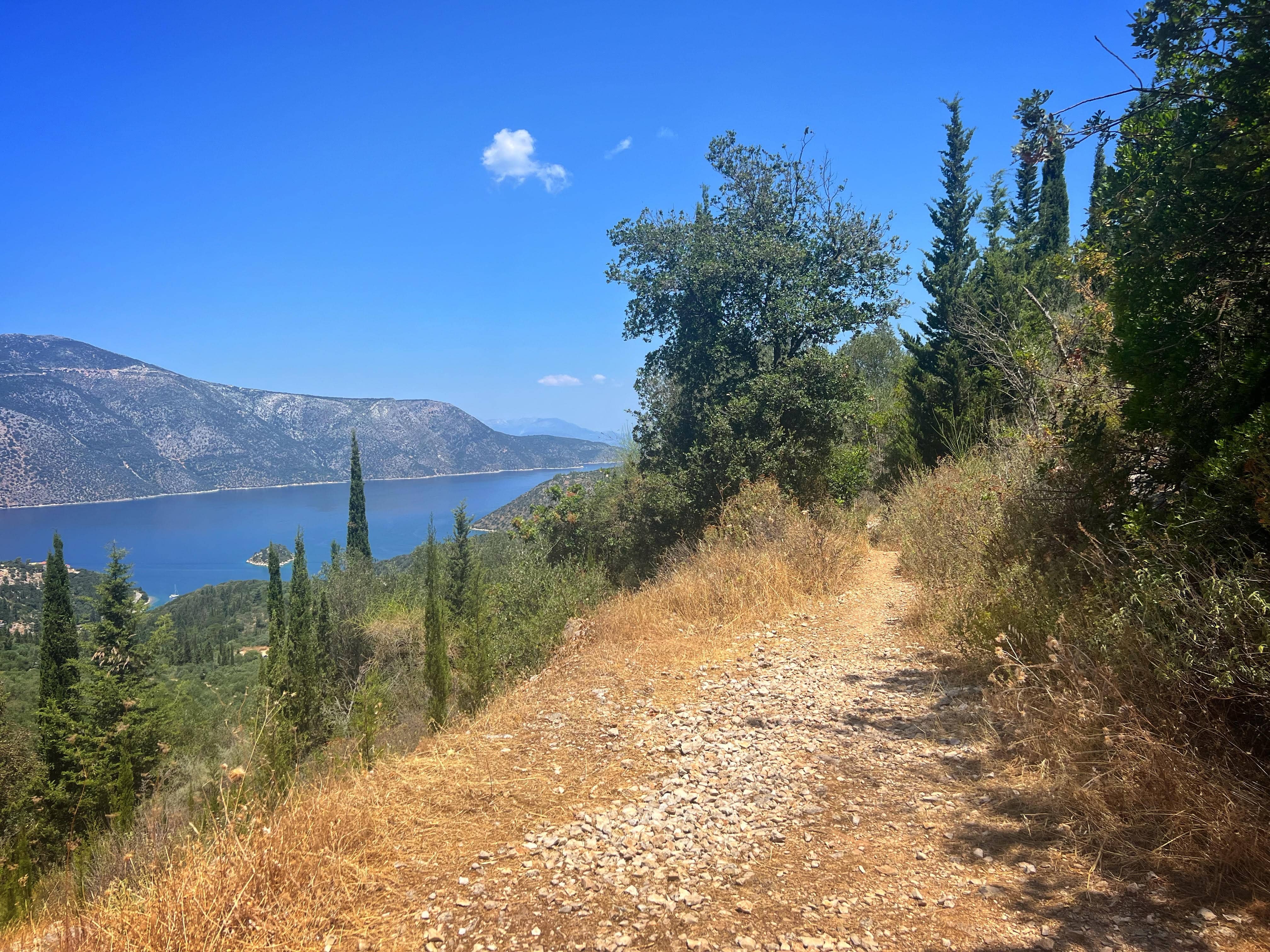
Unfortunately, the cave is permanently closed for public entry due to the risk of cave-ins and landslides, as the interior structure is highly unstable and at high risk of collapse. You can still hike to the entrance to see from a distance the small triangular opening of the cave. The site sits at approximately 180 – 190 metres above sea level and offers incredible views over Dexa Bay. If you choose to amble along this track, keep in mind the generations of people who have walked this path before you, from history, mythology and legend alike.
Local tip
It is strongly prohibited to enter the cave for safety reasons.
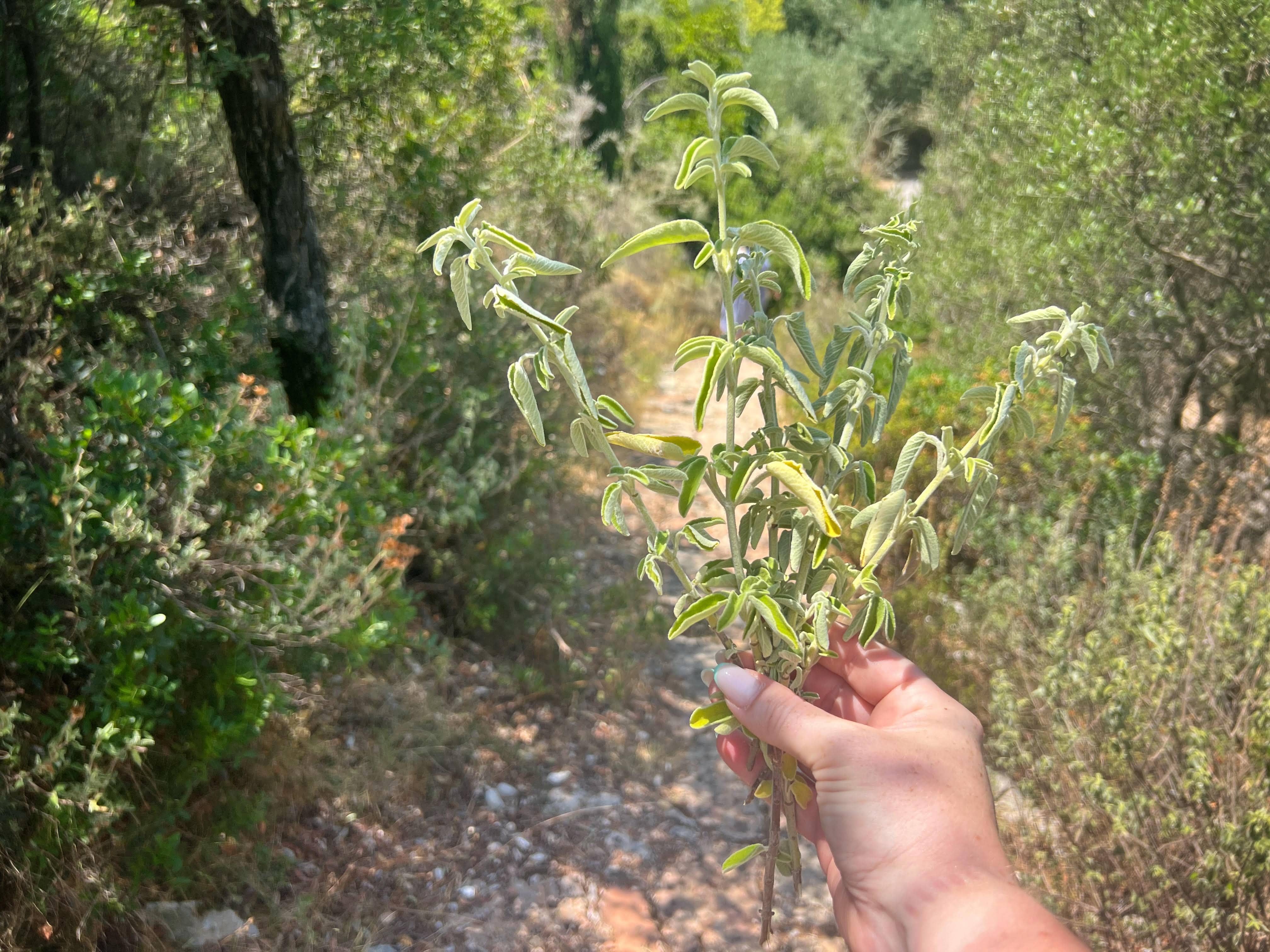
Whilst walking to or from the cave entrance, we suggest smelling the local sage growing along the side of the path. If you’ll be doing any cooking during your visit to Ithaca, it can be an excellent accompaniment to many dishes.
Vathy – Honouring Ithaca’s legendary King
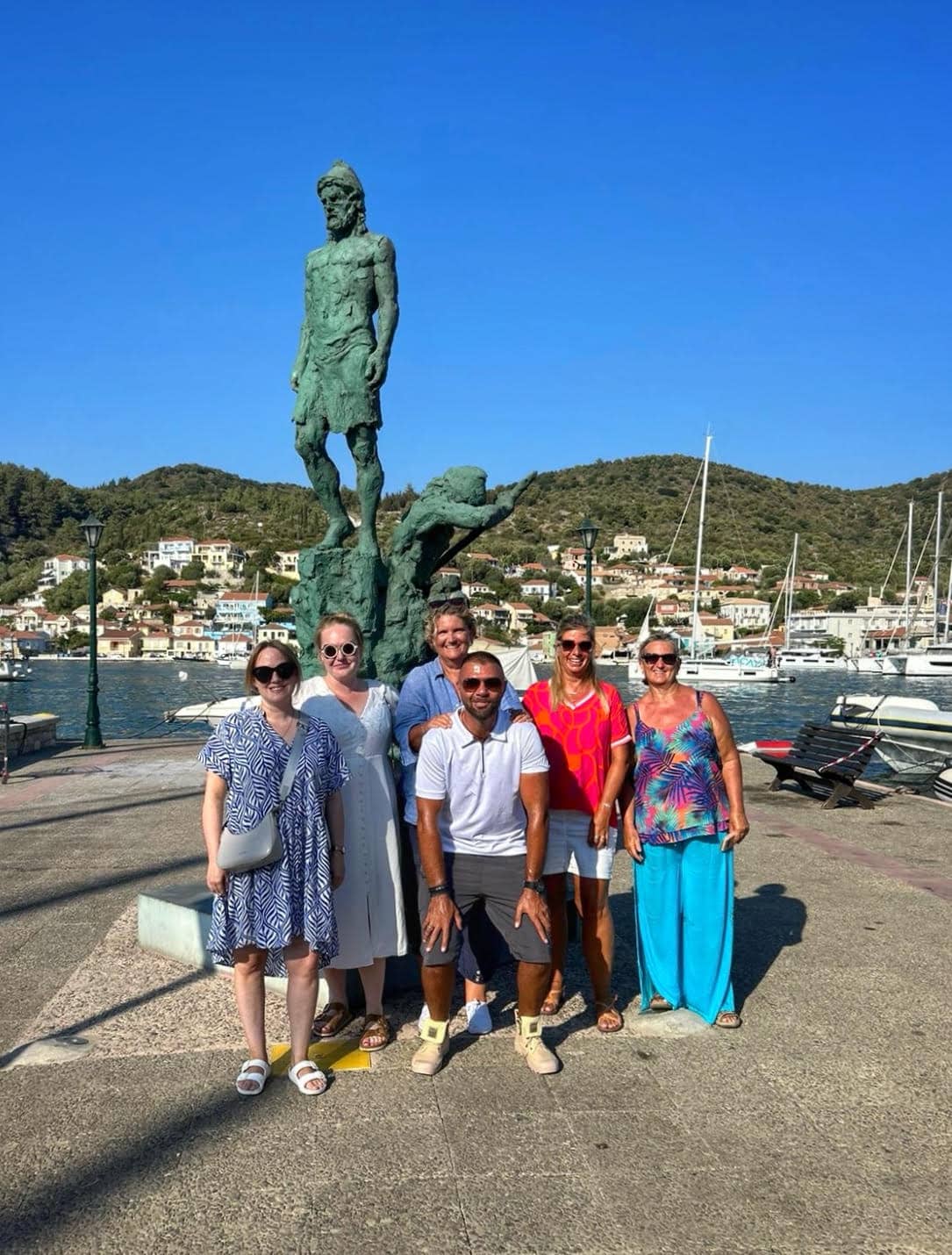
Vathy is the capital town of Ithaca, and it seems very fitting that our hero takes pride of place on the waterfront here. A dual-sided statue of Odysseus welcomes visitors to the town, depicting from one side a brave, strong man looking out towards the sea, and on the other side a tired, aging sailor returning home to Ithaca.
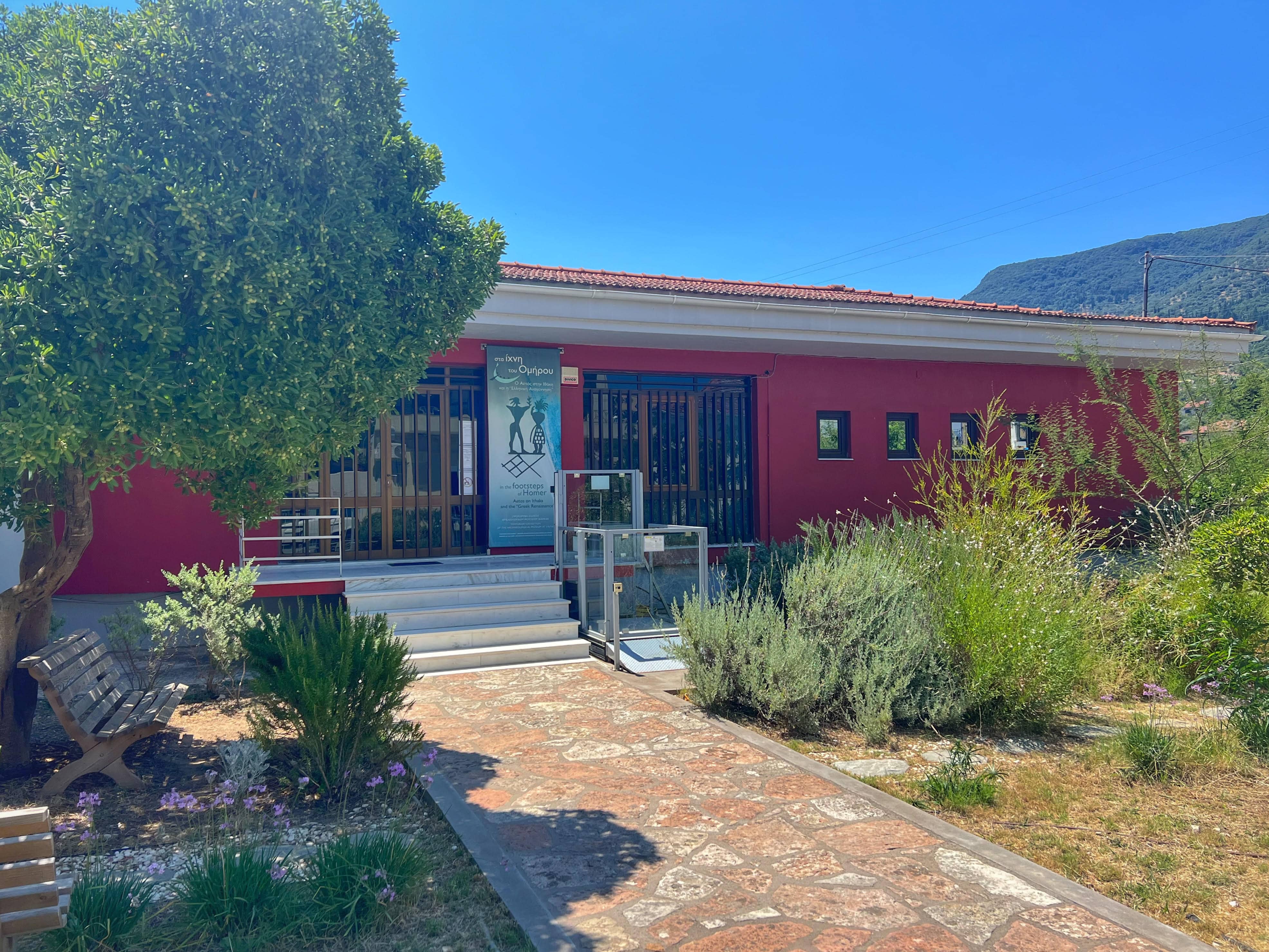
In the backstreets of the town you can find the Archaeological Museum of Ithaca, which provides an interesting insight into different aspects of the history of the island, dating back to the Mycenaean period leading through to the Roman era. It’s particularly interesting to see items inside the museum associated with Homer’s great poetry. The museum is currently hosting a temporary exhibition, “In the footsteps of Homer: Aetos on Ithaca and the ‘Greek Renaissance’”, which is included in the admission price.
Worth knowing
Through the summer months the museum is open from 08:30 until 15:30 daily, apart from Tuesdays when it is closed. The admission cost is €5.
A journey worth taking
Christopher Nolan’s ‘The Odyssey’ has introduced Homer’s epic tale to a new generation, inspiring many people to discover the island that has captured imaginations for thousands of years. While the film brings Odysseus’ adventures to life on screen, we suggest you visit the island and discover for yourself the landscapes that inspired one of history’s greatest journeys. Standing here, it’s easy to understand why Odysseus endured such a long and tortuous voyage to return home.
Whether you’re wandering through ancient archaeological sites, swimming in the sparkling Ionian waters of Dexa Bay or simply watching the sun set from a hillside taverna, it’s easy to understand why Ithaca has inspired myths, artists, and travellers for centuries. There is an undeniable magic to the island – perhaps that’s why so many people return time and time again. It’s often said that the true message of ‘The Odyssey’ is to embrace the journey rather than rush towards the destination. We couldn’t agree more. However, when the destination is Ithaca, you’ll soon understand why Odysseus spent twenty years trying to find his way home.
Don’t miss
If you’re lucky enough to be visiting Ithaca this summer, there will be several screenings of ‘The Odyssey’ at the island’s local cinema. Watching the story of Odysseus unfold while staying on the island he called home is sure to be one of those moments you remember forever.
Why Book Your Ithaca Holiday With Sunvil?
For over 50 years, Sunvil has specialised in crafting authentic Greek island experiences. Our Ithaca holiday packages offer a blend of history, culture and natural beauty, tailored to your interests and preferences. We pride ourselves on working with local partners to provide sustainable, responsible tourism that benefits the island’s communities. Whether you’re looking for a relaxing couple’s retreat, an exploration of Greece’s ancient past or an off-the-beaten-path adventure, Sunvil’s holidays to Ithaca Greece provide a personalised and enriching experience. Contact our specialists to plan your perfect trip to this captivating island.